
Saudi Arabia appears to be nearing an operational decision to join a U.S.-led response to Iranian strikes as mounting attacks in the Gulf alter regional security calculations. Iranian missile and drone assaults on key energy targets have prompted concern among Gulf governments that Tehran may be seeking sustained leverage around the Strait of Hormuz.
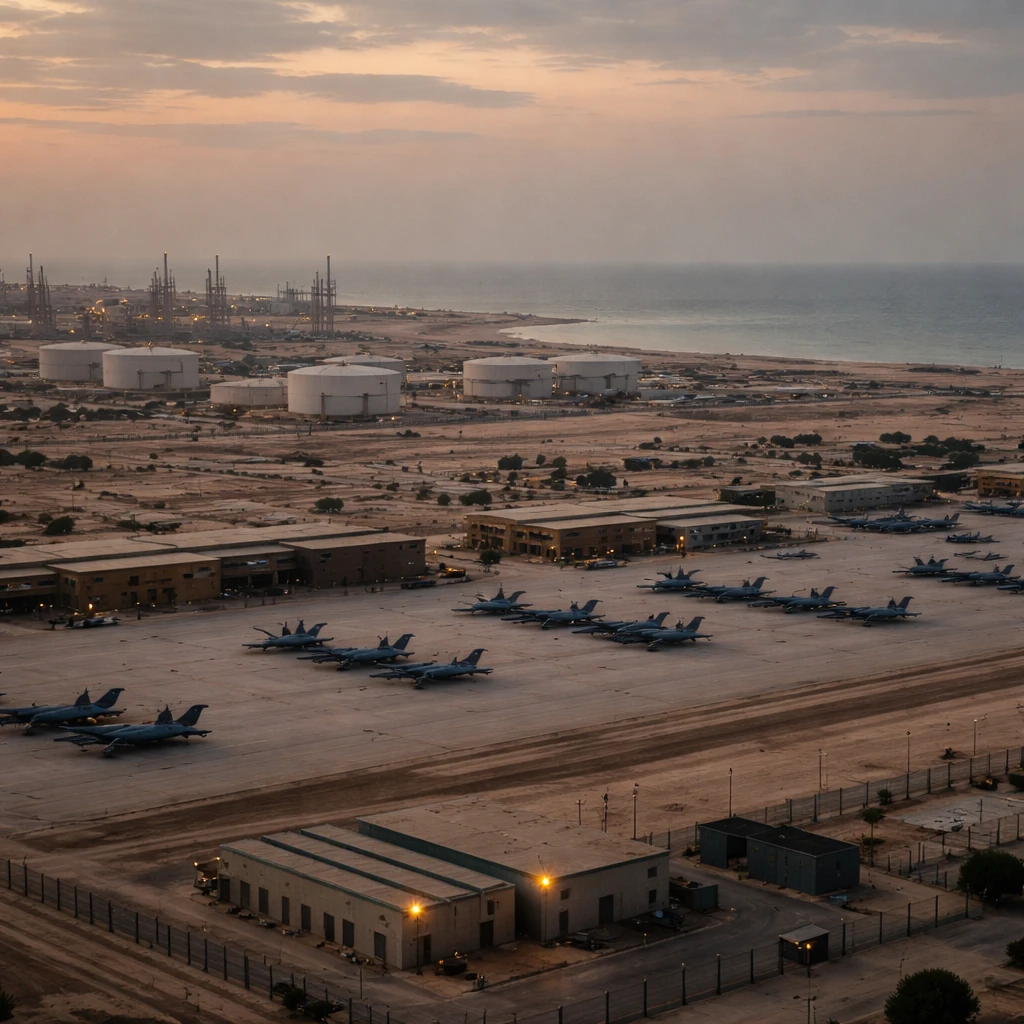
Officials said Riyadh has approved the use of King Fahd air base by U.S. forces, marking a reversal from earlier efforts to remain removed from direct military engagement. People familiar with the matter indicated that Crown Prince Mohammed bin Salman is now close to deciding to take part in attacks, with at least one source describing it as only a matter of time.
Separately, Saudi Foreign Minister Faisal bin Farhan warned that the kingdom’s patience with repeated Iranian attacks is not unlimited, signaling a growing willingness to take stronger action if the strikes continue.
At the same time, the United Arab Emirates has stepped up nonmilitary pressure on Tehran. Authorities in Abu Dhabi have moved to shut down Iranian-linked institutions operating in Dubai and have threatened to freeze billions in assets, part of a broader effort to constrain Iran financially.
The UAE is also assessing whether to commit military forces to the confrontation, while publicly opposing any cease-fire that would leave Iran's operational capabilities intact. That stance underscores a regional shift toward tougher responses to the strikes that have targeted energy infrastructure.
Taken together, the developments reflect a recalibration across Gulf states: allowing allied military access, threatening financial penalties, and considering direct involvement in operations against Iranian targets. Energy facilities and maritime chokepoints such as the Strait of Hormuz figure prominently in these calculations, given their strategic importance to regional and global markets.
Context limitations: Reporting is based on statements from people familiar with the situation and public remarks by senior officials. Specific operational timetables and final decisions by the involved governments have not been disclosed.