
Politics March 25, 2026

New Jersey Governor Signs Laws Limiting State Role in Federal Immigration Enforcement

Three measures enacted curtail state and local agencies from aiding certain federal immigration actions and restrict data collection by public entities and health providers

By Marcus Reed
New Jersey Governor Signs Laws Limiting State Role in Federal Immigration Enforcement

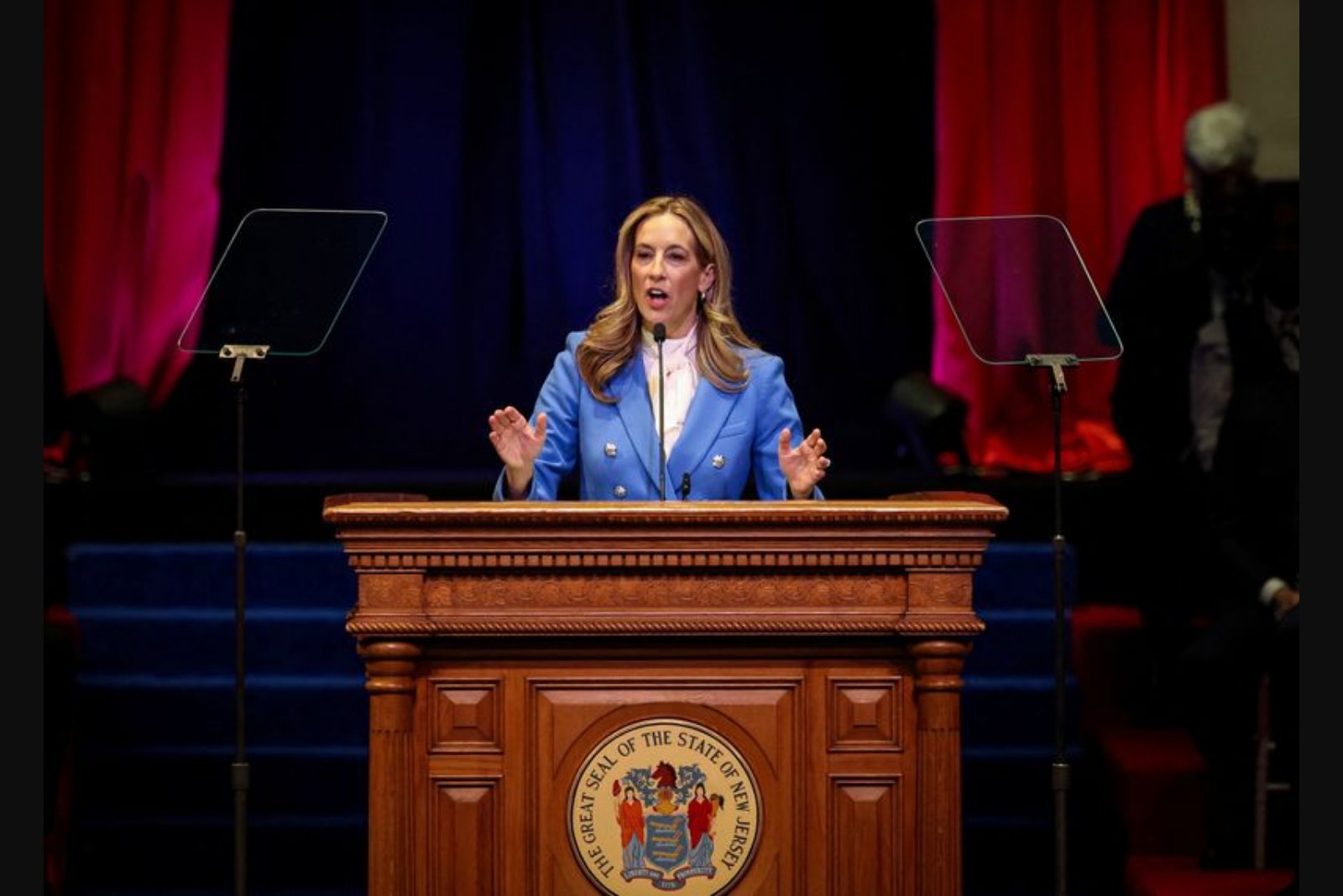
On March 25, New Jersey Governor Mikie Sherrill signed three bills designed to narrow the participation of state officials in federal immigration enforcement. The measures require law enforcement to disclose facial identity in specified public interactions, mandate that officers present identification before arrests or detentions, and restrict the types of information, including immigration status, that local and state entities and health facilities may collect. The signings follow the state filing a lawsuit last week to block a proposed detention center. The Department of Homeland Security did not immediately comment.

Key Points

  • Governor Mikie Sherrill signed three bills aimed at limiting New Jersey state and local participation in federal immigration enforcement.
  • The laws require law enforcement to "reveal facial identity during certain public interactions" and to provide identification before arresting or detaining someone; they also limit information, including immigration status, that local and state entities and health facilities may collect.
  • The signings follow a state lawsuit filed last week to block a proposed detention center; the Department of Homeland Security did not immediately respond to a request for comment.

On March 25, Governor Mikie Sherrill enacted three bills intended to limit how state officials and agencies in New Jersey can assist federal immigration enforcement efforts. The package represents the latest state-level action in opposition to the federal immigration agenda referenced by state officials.

According to a statement from the governor's office, the new laws impose several operational constraints. One requires law enforcement officers to "reveal facial identity during certain public interactions." Another obliges officers to provide identification before arresting or detaining an individual. A further provision restricts the scope of information that local and state entities, as well as health facilities, may collect - explicitly including immigration status among the categories limited under the new rules.

Those enactments come as New Jersey last week initiated legal action seeking to block a proposed detention center, signaling coordinated legal and legislative efforts by the state to resist elements of the current federal immigration policy. The governor's office framed the measures as protections for constitutional rights and limits on state cooperation with federal immigration enforcement.

Governor's statement

In a statement accompanying the bill signings, Governor Sherrill said, "These bills underscore that here in New Jersey, we still follow the Constitution and uphold the rule of law." The administration presented the bills as steps to ensure that state and local practices align with the administration's view of constitutional safeguards.

Federal reaction

The Department of Homeland Security did not immediately respond to a request for comment on the new state laws.

The measures alter standard procedures for state and local officials and health providers by setting new requirements for officer identification and narrowing allowable data collection. The state also continues to pursue litigation related to a proposed detention facility, a separate but related element of New Jersey's current policy stance toward federal immigration operations.

How these laws will be implemented in practice, and whether they will prompt further legal or administrative responses from federal agencies, was not detailed in the governor's release.

Risks

  • Potential legal and administrative tension between New Jersey state agencies and federal immigration authorities - impacts government operations and legal services.
  • Uncertainty about implementation of new identification and data collection limits across state, local, and health entities - impacts public sector compliance and healthcare administration.
  • Pending litigation over the proposed detention center creates additional legal uncertainty tied to the state's broader stance on federal immigration enforcement - impacts corrections and detention services.

More from Politics

Released Records Raise New Questions About National Security and Private Business Links in Trump Documents Case Mar 25, 2026 Former Biden Civil Rights Chief Kristen Clarke Joins NAACP as General Counsel Mar 25, 2026 Trump's Policies Reshape U.S. Cultural Landscape, From Museums to Monuments Mar 24, 2026 Anduril Co-founder Blames U.S. Legislative Dysfunction and Tech Industry Choices for Giving China a Strategic Opening Mar 24, 2026 Delta Pauses VIP Services for Lawmakers as Shutdown Strains Airport Operations Mar 24, 2026