
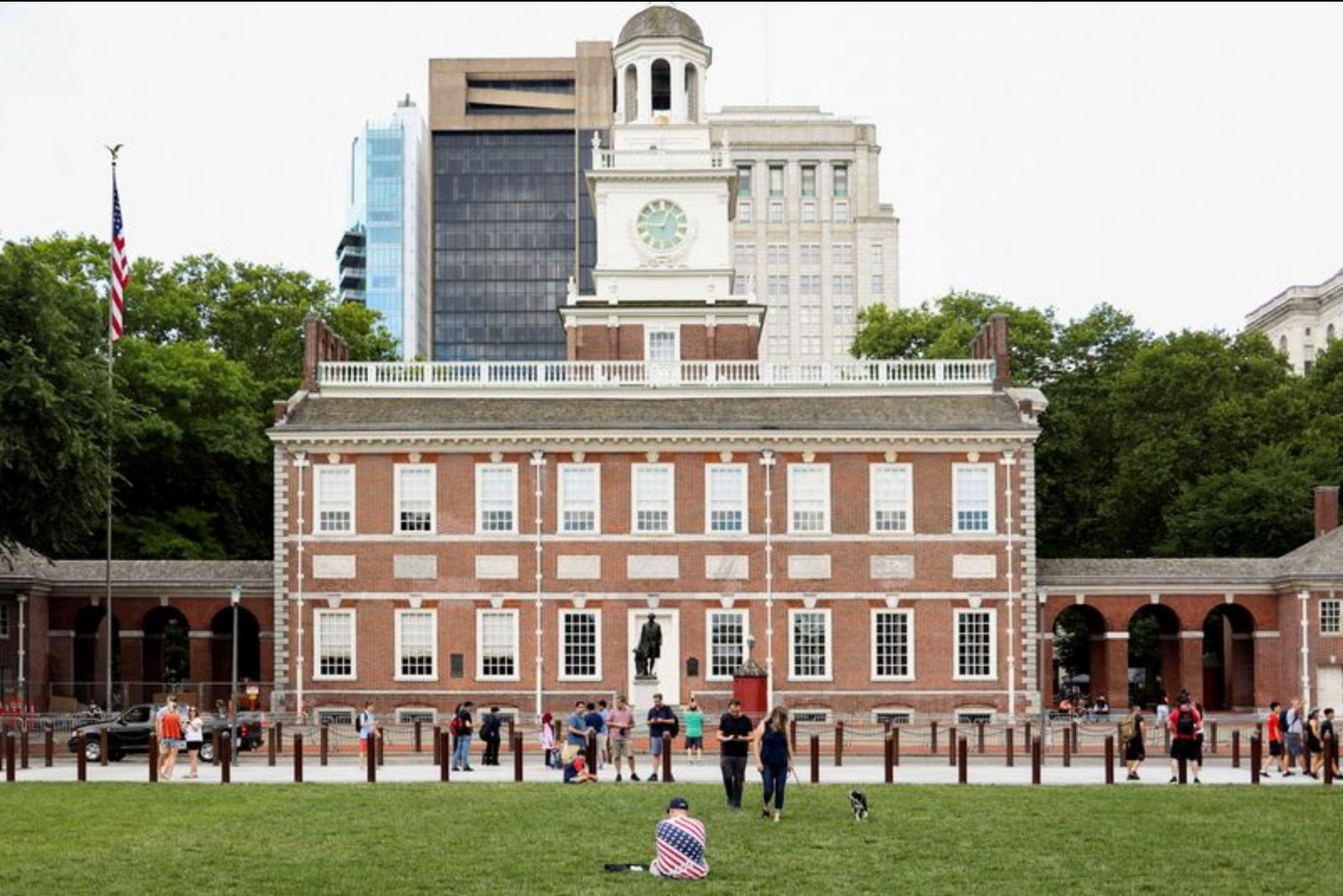
The U.S. National Park Service has taken down an exhibit about slavery and George Washington's ownership of enslaved people from the President’s House Site, located in Independence National Historical Park, Philadelphia. This action aligns with directives issued by the Trump administration to reassess interpretive materials at federal sites for accuracy and alignment with national values. The decision has generated criticism from civil rights advocates and political leaders who view it as a revisionist approach to American history.
Key Points
- The National Park Service removed a slavery-focused exhibit from the President’s House Site in Philadelphia following a federal review mandate.
- The action aligns with President Trump's order to reassess cultural and historical exhibits for accuracy and alignment with shared national values.
- Civil rights groups and political leaders have criticized the removal as an attempt to revise or downplay significant aspects of American history.
In Philadelphia’s Independence National Historical Park, the National Park Service has dismantled an outdoor exhibition addressing the history of slavery and George Washington’s role as an enslaver. The exhibit was situated at the President’s House Site, the residence of the first president of the United States during the period when Philadelphia served as the nation’s capital.
This removal was carried out on Thursday and aligns with policies set forth by President Donald Trump, who directed federal agencies to examine interpretive content to ensure it reflects accuracy, honesty, and national values. The Interior Department, which oversees the park service, confirmed to Reuters that actions to remove or revise such materials are underway following their review process.
As of Thursday evening, the official website for the President’s House still described the outdoor exhibits as exploring the dilemma between slavery and liberty within the emerging United States. This removal comes amid a broader context where President Trump has expressed concerns over what he views as an overemphasis on slavery’s negative aspects, labeling certain interpretations as "anti-American ideology."
The president’s stance, as conveyed through an executive order issued last year, has been met with opposition from civil rights organizations and political figures. Pennsylvania Governor Josh Shapiro criticized the exhibit’s removal, accusing the administration of attempting to "rewrite and whitewash our history."
Civil rights advocates have voiced concerns that the administration’s actions undermine recognition of pivotal chapters in American history and diminish social progress. These groups also highlight related policies enacted by the administration, including immigration enforcement, challenges to diversity programs, and funding freezes on universities tied to political protests, as part of a pattern targeting cultural and historical narratives from critical perspectives.
A major civil rights organization recently contested President Trump’s claim that civil rights initiatives adversely affect white Americans, framing the statements as misleading.
The National Park Service’s decision to dismantle the slavery exhibit at such a significant historic site reflects continued tensions between federal policy direction and public discourse on historical interpretation.
Risks
- Potential backlash and political controversy impacting public trust in cultural institutions and government agencies.
- Criticism from civil rights advocates may lead to increased polarized debates over historical interpretation and educational content.
- Uncertainty over how ongoing federal policies will shape narrative framing at public historical and cultural sites, possibly affecting visitor engagement and funding.