
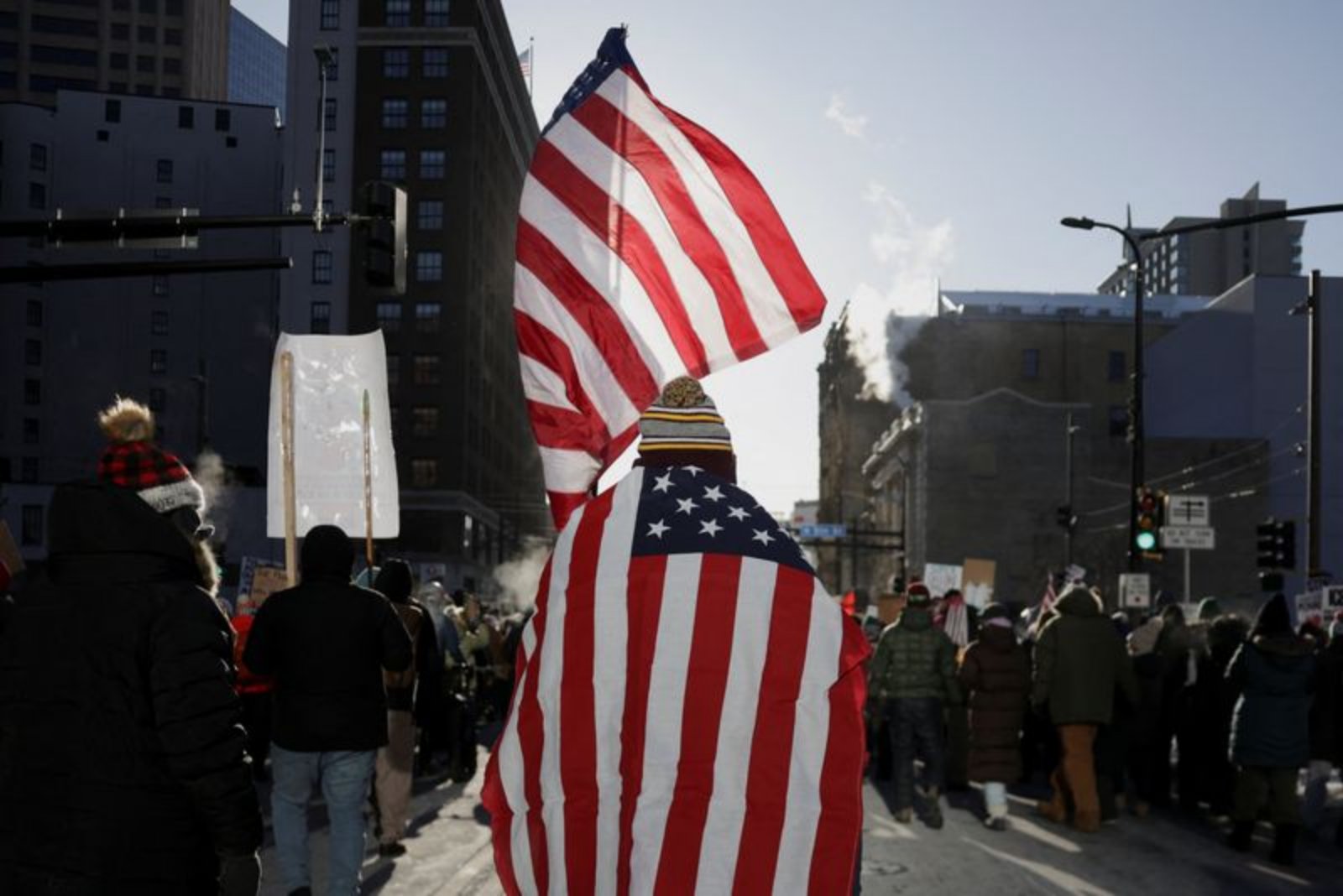
Federal enforcement actions in Minneapolis that resulted in two U.S. citizen deaths this month have placed the Trump administration's stepped-up immigration crackdown at the center of national political contention. The operation, characterized by the administration as its most ambitious immigration effort in the city, has generated weeks of protests and violent confrontations with federal officers.
The two deaths involved Renee Good on January 7 and ICU nurse Alex Pretti, who was shot on Saturday. Both incidents occurred during clashes between federal officers and protesters opposed to the federal enforcement surge. The fatalities have sharpened partisan divisions and brought fresh scrutiny to the administration's tactics.
Congressional stakes and a looming funding deadline
On Saturday, the top Senate Democrat, Chuck Schumer, said his party would oppose funding legislation that includes allocations for the Department of Homeland Security, which oversees Immigration and Customs Enforcement (ICE). Congress faces a January 30 deadline to pass funding or risk a partial government shutdown, raising the prospect that disagreement over ICE funding could become a decisive element in year-end budget negotiations.
Moderate Democrats who had previously been cautious about breaking with their party on law enforcement issues have joined calls to withhold support for funding tied to ICE. Nevada Senator Catherine Cortez Masto said in a statement about the ICE operation: "This is clearly not about keeping Americans safe, it’s brutalizing US citizens and law-abiding immigrants." That sentiment underlines the political pressure on lawmakers weighing support for appropriation bills that include resources for immigration enforcement.
Political reverberations across parties
Republicans have largely defended the crackdown, but Saturday’s shooting of a legally armed U.S. citizen has complicated the political terrain for a party that traditionally positions itself as protective of gun rights. Gun-rights organizations have voiced concern about administration statements that suggested the victim bore blame for carrying a weapon to a protest, noting the individual was legally entitled to do so. The Minnesota Gun Owners Caucus said it was "deeply concerned" about the administration’s justification for the shooting, adding that "every peaceable Minnesotan has the right to keep and bear arms, including while attending protests."
Viral videos depicting heavily armed, masked federal agents clashing with civilians have also unsettle some Republican lawmakers. Senator Bill Cassidy described the Minneapolis shooting as "incredibly disturbing" and warned that "the credibility of ICE and DHS are at stake." Representative Michael Baumgartner supported a request by the House Homeland Security Committee for testimony from ICE officials, saying: "It’s critically important that the American people and Congress be given a better understanding of how immigration enforcement is being handled." Oklahoma Governor Kevin Stitt told CNN that Americans were watching footage of fellow citizens being shot and that "federal tactics and accountability" had become a growing voter concern.
Public opinion and protester perspectives
Polling data cited in reporting on the issue indicate broad unease with the administration’s enforcement approach. The figures show Democratic voters oppose the tactics, and 39% of Trump’s Republican supporters say harm should be minimized even if this reduces the number of immigration-related arrests. Among independents, 73% said authorities should prioritize reducing harm, while 19% said they would accept the risk of serious injury or death in pursuit of arrests.
Local protesters have framed the Minneapolis operation as a potential precedent for other cities. "The rest of the country needs to know that what’s happening here could happen everywhere," said protester Eric Gray, a 50-year-old Minneapolis resident. "I think that Minnesota is turning out to be the starting point, or the litmus test."
Partisan accusations and administration response
Democrats have seized on the federal operation and its aggressive tactics to accuse the administration of overreach, arguing the actions amount to an unchecked domestic threat. Tre Easton, a Democratic policy strategist at the Searchlight Institute, said: "Trump’s ICE is out of control and poses a grave domestic threat. Senate Democrats are right to do whatever they can to try and rein it in. Democrats should say exactly what they mean about ICE. No pithy slogans."
For weeks, the administration has used the surge in Minneapolis to contrast its approach with the state's Democratic leadership. The president has repeatedly blamed Democratic Governor Tim Walz for clashes between protesters and federal officers, asserting that Walz is inciting people to take to the streets. State and local law enforcement, along with Governor Walz, reject that characterization and say they will work with federal authorities to remove violent offenders, while also maintaining that the federal operation itself has heightened tensions.
Oversight, accountability and the political calendar
The deaths and the broader enforcement campaign have prompted demands for greater oversight. Some Republican officials, recognizing constituent concerns, have sought more information and hearings. The political consequences extend into a broader election-year context: lawmakers must reconcile support for immigration enforcement funding with voter unease about the methods used and the optics of armed federal agents confronting civilians.
The debate is likely to continue in Congress through appropriations discussions and potential hearings, with both parties positioning the issue as central to their respective political messages in the run-up to major elections later this year.