
A Reuters/Ipsos poll taken Friday through Sunday found that 66% of Americans think the United States should pursue a rapid end to its role in the Iran war, even if that results in U.S. goals laid out by the Trump administration remaining unmet. By contrast, 27% of respondents said the United States should continue fighting until it attains all its objectives in Iran, even if that prolongs the conflict. Six percent of those surveyed did not provide an answer to the question.
The survey sampled 1,021 people and highlights a notable split within Republican voters who back former President Trump. Among Trump-supporting Republicans, 40% said they favored ending the conflict quickly despite unachieved goals, while 57% endorsed a longer U.S. engagement intended to secure all aims.
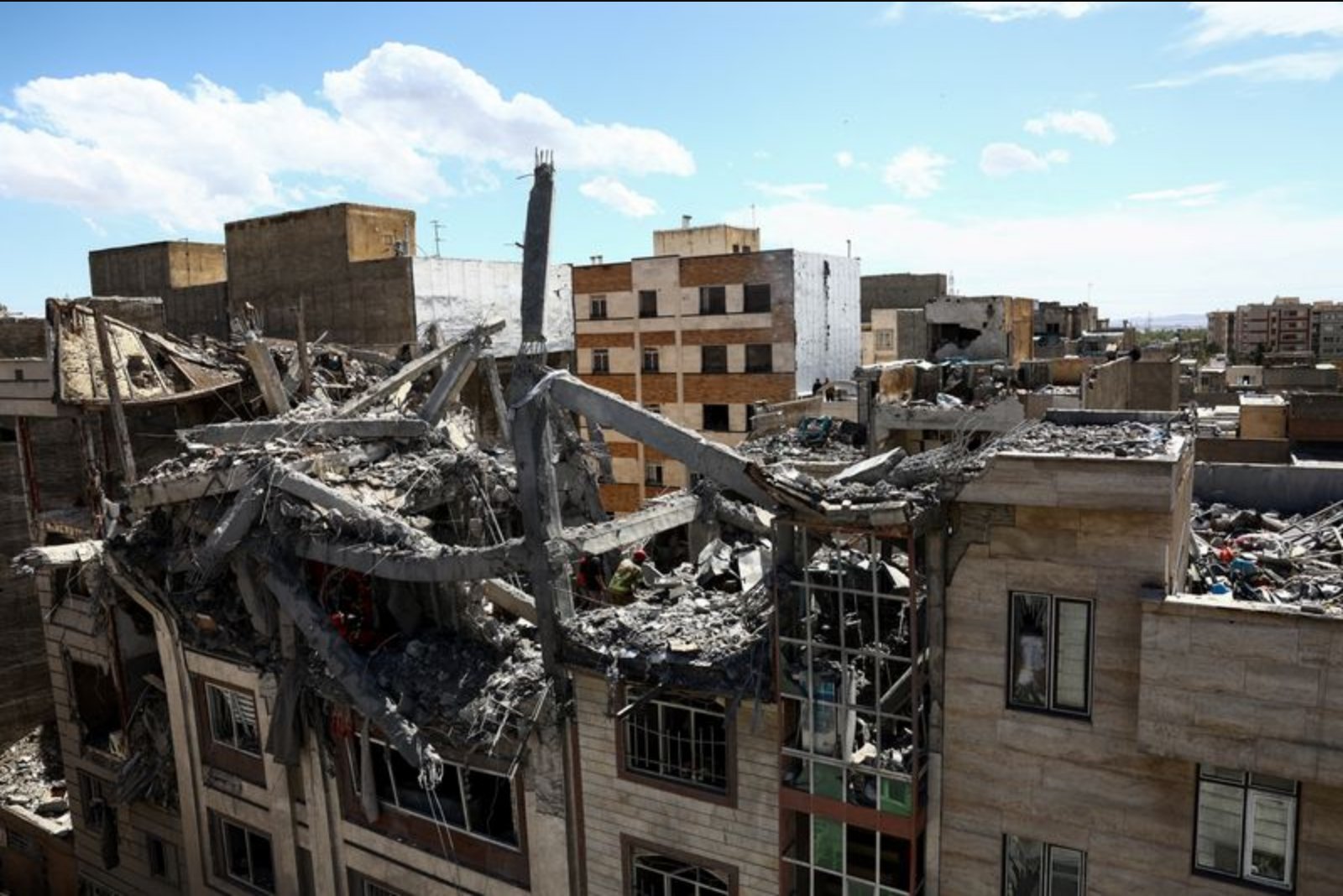
Respondents expressed substantial discontent with recent U.S. military action: 60% said they disapproved of U.S. strikes on Iran, while 35% voiced approval. The poll frames public opinion against the backdrop of a month-long war that has spread across the Middle East, killed thousands of people, and affected the global economy through sharply higher energy costs, contributing to broader inflationary concerns.
One tangible effect in the United States has been higher fuel costs. Data from price tracking service GasBuddy showed gasoline climbed above $4 a gallon on Monday for the first time in more than three years. Two in three survey respondents said they expect gasoline prices to worsen over the next year; that view included 40% of Republicans.
The political context is consequential for the party aligned with the White House. Trump’s Republicans face voters in November for midterm elections that will determine whether they can maintain slim majorities in both the House and the Senate. Historically, the incumbent president’s party tends to lose seats in midterm contests.
Personal financial expectations among the public are largely negative. More than half of respondents said they believed the conflict would have a mostly negative impact on their own financial situation. That perspective extended to 39% of Republicans surveyed.
Methodological note: The findings reported here reflect responses from a national sample of 1,021 people collected between Friday and Sunday.