
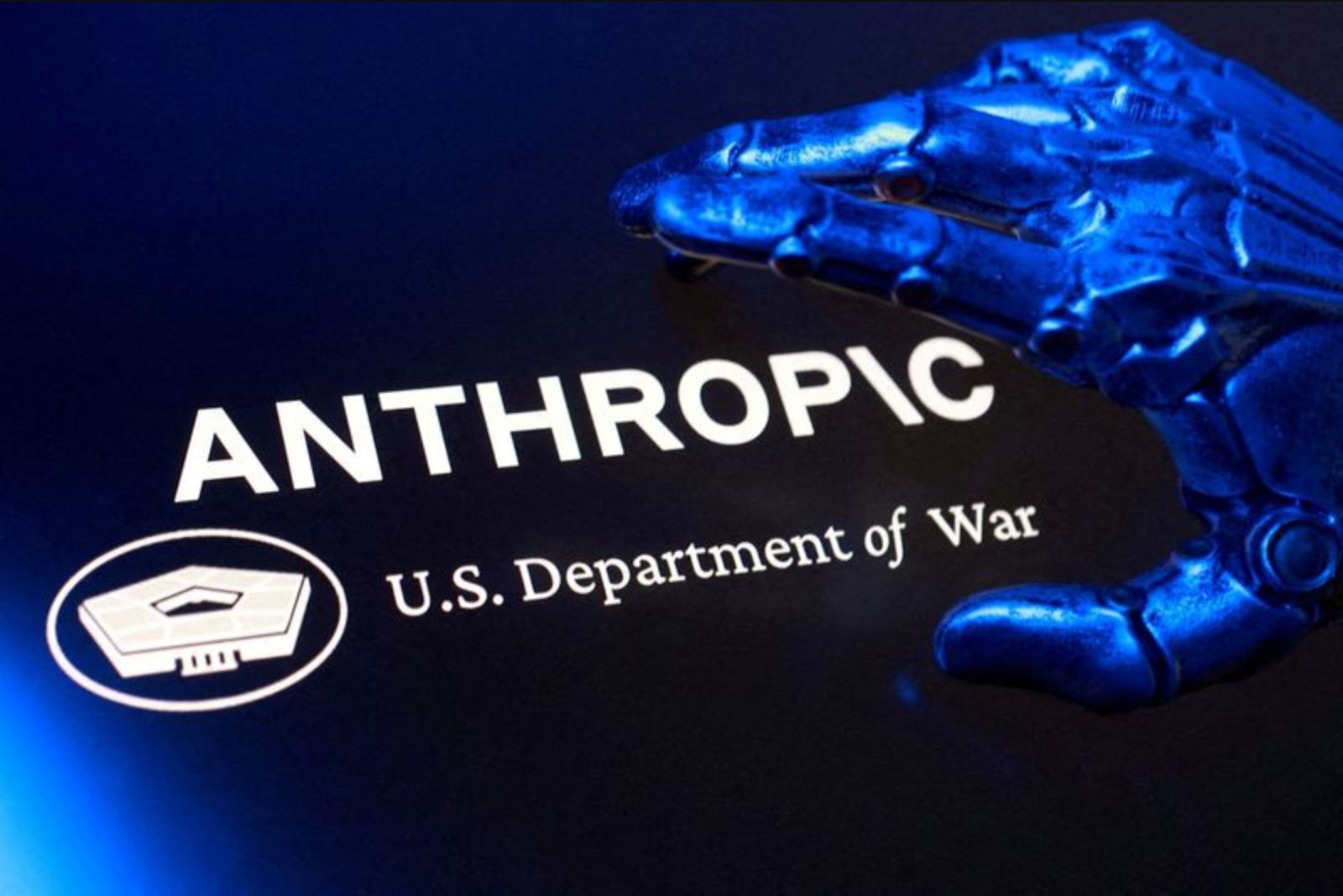
A federal judge in San Francisco will hear oral arguments in a lawsuit by Anthropic over the Department of Defense's decision to label the artificial intelligence lab a national security supply-chain risk, the company said in filings that mirror assertions in its complaint. The hearing is scheduled for 1:30 p.m. Pacific Time (2030 GMT) and concerns Anthropic's request for an initial order to pause the designation while litigation proceeds.
The designation, announced by Defense Secretary Pete Hegseth, followed Anthropic's refusal to remove certain restrictions on its Claude AI model - specifically restrictions that would permit the military to use the model for U.S. surveillance or in autonomous weapons. The Pentagon applies the supply-chain risk label to companies it believes could expose military systems to potential infiltration or sabotage by adversaries.
Anthropic's complaint filed in a California federal court contends that Hegseth exceeded his authority in imposing the label. The company argues the decision was unlawful, lacked factual support and ran counter to previous military praise for Claude. Anthropic also says the designation blocked it from competing for some military contracts and could cost the company billions of dollars in lost business and damage to its reputation, a financial impact the company raised in court on March 9.
At the core of Anthropic's position is its assertion that modern AI models are not yet reliable enough for safe deployment in autonomous weapon systems and that allowing the technology to be used for domestic surveillance would violate rights. In the suit Anthropic asserts the designation represents retaliation for those positions and therefore violates its First Amendment right to free speech, the complaint says. The company further argues it was not afforded an opportunity to contest the designation, asserting a Fifth Amendment due process violation.
The San Francisco hearing will be presided over by U.S. District Judge Rita Lin, an appointee of former President Joe Biden. Anthropic has asked Judge Lin to issue an injunction preventing the supply-chain risk label from taking effect while the litigation continues.
The public designation marked the first time a U.S. company has been named a supply-chain risk under a relatively obscure government procurement statute intended to shield military systems from foreign sabotage, the filings note.
In response, the Justice Department argued in court papers that Anthropic's refusal to accept contract terms drove the designation. According to the government's filing, the company’s contractual stance could create uncertainty for the Pentagon about permissible uses of Claude and potentially risk disabling military systems during operations.
Anthropic also has a separate case pending in Washington, D.C., challenging another Pentagon supply-chain risk designation that could exclude the company from civilian government contracts. That second lawsuit addresses a distinct designation and the possible consequences for Anthropic's ability to do business with non-military federal agencies.
Context limitations - The litigation and filings presented to the court frame the competing positions: Anthropic asserts constitutional violations and factual insufficiency in the designation, while the government maintains the action responded to contractual refusals that, in its view, posed operational risks. The outcome of the hearing will determine whether the designation remains in place during the broader legal challenge.