
Summary: A recent internal memo circulated within Immigration and Customs Enforcement instructs officers in Minneapolis to refrain from unnecessary interactions with "agitators" and to concentrate enforcement efforts on immigrants with criminal charges or convictions. The guidance arrives amid mixed public statements from senior administration officials, the appointment of Tom Homan to oversee the local immigration surge, and a federal judge's public admonition that ICE has violated dozens of court orders.
Federal immigration operations in Minneapolis have entered a new phase marked by an apparent tightening of operational instructions even as public signals from the White House and other senior officials have varied. Tom Homan, described in administration announcements as the new commander of the enforcement surge in the Twin Cities, planned a media briefing as questions persisted about how the campaign will proceed.
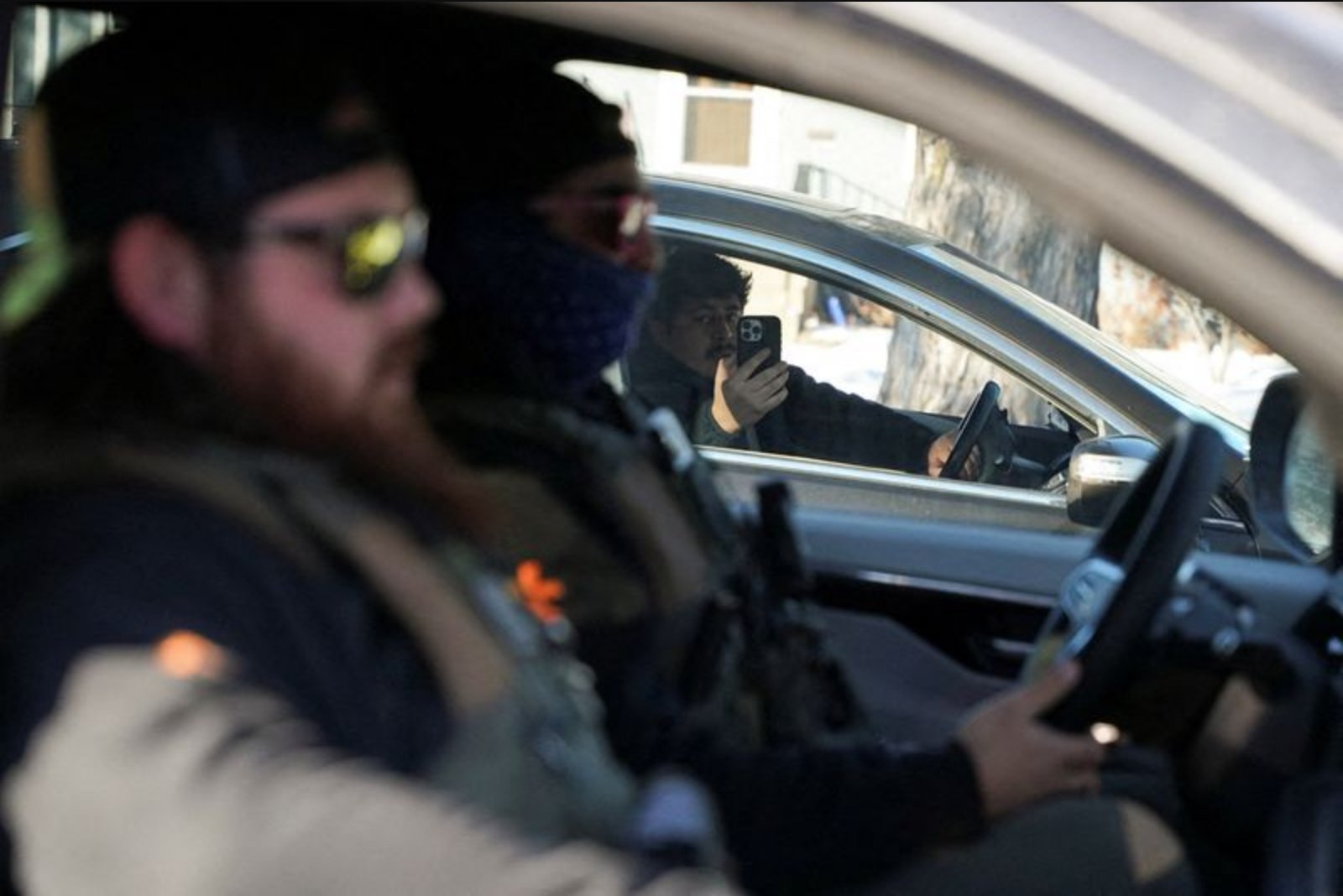
The internal ICE memo reviewed late on Wednesday instructs officers to limit communications and engagement with people characterized as "agitators" in order to avoid inflaming tensions. It also directs agents to focus arrest activity on those with records of criminal charges or convictions. That standard departs from earlier tactics in the operation that included stopping people on the street to demand proof of legal U.S. residency or citizenship.
The memo was released against a backdrop of contrasting messages from the administration. On Wednesday, President Donald Trump took to his social media platform to criticize Minneapolis Mayor Jacob Frey for declining to assist in enforcing federal immigration statutes, warning that the mayor was "playing with fire." The president's comment followed other public remarks that briefly adopted a more conciliatory tone a day earlier.
U.S. Attorney General Pam Bondi, meanwhile, reported that federal agents had arrested 16 people in Minnesota on Wednesday on charges including assaulting, resisting or impeding federal law enforcement. Bondi wrote that nothing would stop federal authorities from continuing to make arrests and enforce the law.
A separate but closely connected legal development added to the operational and political pressure on the agency. U.S. District Judge Patrick Schiltz in Minneapolis said on Wednesday that ICE has flouted federal court orders by failing to comply with directives in numerous cases during the current surge. In a decision that canceled a contempt hearing for acting ICE chief Todd Lyons after the agency released a wrongfully detained Ecuadorean man, the judge cited at least 96 federal court orders ICE had violated in 74 cases this month.
Judge Schiltz wrote that such a list should prompt concern for anyone who cares about the rule of law, and said that ICE had likely violated more court orders in January 2025 than some federal agencies have in their entire existence. The judge's ruling underscored legal exposure tied to the tactics and compliance record of the agency during the Minneapolis operation.
It was not immediately clear what Homan intended to discuss at his planned press conference. He met earlier this week with Minneapolis Mayor Frey and Minnesota Governor Tim Walz, both Democrats who have publicly denounced the ICE operation as "reckless" and have called for it to end. Those meetings occurred two days before Homan scheduled to speak to the media.
Observers and activists tracking ICE activity in the Twin Cities said enforcement appeared to ebb somewhat on Tuesday before increasing again on Wednesday, but that the renewed activity appeared more narrowly focused. The evolution in street-level tactics appears to track with the internal guidance limiting unnecessary engagement and directing officers to target individuals with criminal histories.
The enforcement surge, ordered by the president weeks ago, deployed roughly 3,000 ICE and Border Patrol agents to Minneapolis and St. Paul. The deployment, known inside the administration as Operation Metro Surge, has coincided with sustained public protests and recurring confrontations between immigration agents and demonstrators who sought to record and obstruct enforcement actions.
Tensions flared after two separate fatal shootings during encounters related to the operation. On January 7, Renee Good, a 37-year-old mother of three, was shot and killed behind the wheel of her car by an ICE agent, an incident that sparked significant demonstrations in the Twin Cities and in communities across the country. Public anger intensified again after the shooting of Alex Pretti, a 37-year-old intensive care nurse, during another confrontation between agents and activists. Both shootings prompted immediate defense of the agents involved by administration officials, who labeled Good and Pretti as "domestic terrorists" and said they posed threats to law enforcement.
Multiple videos that circulated widely on the internet presented a different picture from initial official characterizations, according to accounts verified late on Wednesday. Videotape of the incidents, including footage verified by Reuters, showed Pretti holding a phone when Border Patrol agents pushed him to the ground. Video also showed that an agent discovered Pretti's handgun near his waist and removed it seconds before another agent shot Pretti in the back while he was being restrained. Pretti had a permit to carry a firearm.
In both shooting incidents, public debate intensified over whether the use of lethal force was justified. Administration officials quickly described the individuals involved as posing risks to officers, but the video records circulating online have called those assertions into question by showing circumstances that appear inconsistent with the claims that either individual had posed an immediate danger at the moments they were shot.
Context on the ground:
- Minneapolis and St. Paul have experienced ongoing unrest since the arrival of Operation Metro Surge enforcement personnel.
- Street-level confrontations between agents and protesters have been a recurring feature of the operation, including attempts by activists to record and obstruct immigration actions.
- Two fatal shootings during ICE-related encounters have been focal points for public protests and scrutiny of enforcement tactics.
As federal officials shift leadership and issue tighter operational guidance, legal and political scrutiny has intensified. The interplay between internal directives aimed at reducing confrontation and public remarks from senior officials signaling continued enforcement activity has added to a complex and contested local environment. The role of the federal judiciary in enforcing compliance with court orders remains a central factor shaping how the operation may proceed.