
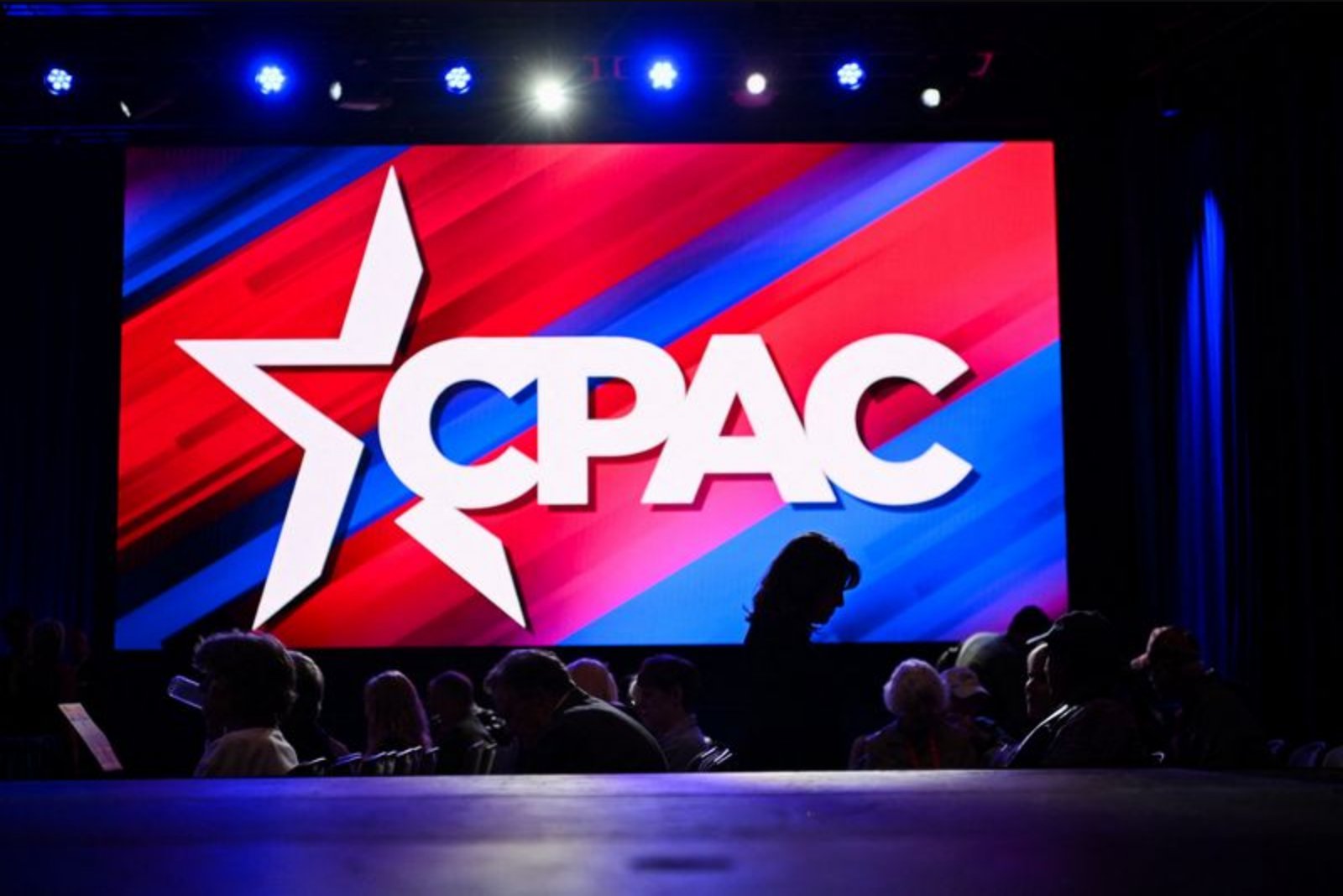
GRAPEVINE, Texas - March 28 - The Conservative Political Action Conference this week exposed a deepening generational divide within the Republican movement over the party’s stance toward Israel and the U.S. role in the war with Iran.
Former Congressman Matt Gaetz set the tone early on by addressing a segment of the audience he described as "loyal to only one nation," a remark that implicitly targeted perceived outside influence on U.S. policymakers without naming Israel. The comment underscored a contentious theme running through CPAC: younger conservatives are increasingly uneasy about automatic deference to Israel and skeptical of new military conflicts.
Those tensions reflect a broader reluctance among younger Republicans to embrace interventionist policies. Prominent conservative voices such as Tucker Carlson have contributed to the debate by advancing claims that Israel holds outsized sway over U.S. policy - assertions that have drawn counterclaims they fuel antisemitism. Carlson has denied those accusations.
The ongoing war involving the U.S. and Israel against Iran became one of the most discussed issues at the annual meeting, an event that for decades has been a focal point for Republican activists and elected officials. Several attendees and speakers flagged age as a meaningful dividing line within the party.
Jack Posobiec, a conservative commentator and online influencer, said the split appears to cluster around age 45, with younger conservatives more inclined to question steady pro-Israel commitments. "People want to paint it off as if it’s antisemitism, but I don’t think that’s what it is," Posobiec said. "It’s just a question of: Why? What is the purpose of this relationship? And I hear that a lot from young voters."
While the debate over Israel has also roiled Democrats in recent weeks, prompting some lawmakers and primary candidates to distance themselves from pro-Israel lobby groups, CPAC made clear the issue is fracturing Republicans as well. That fragmentation could have electoral consequences: some activists worry it may alienate younger voters who were instrumental in electing Donald Trump in 2024 and complicate efforts to defend narrow congressional majorities in November.
Two young conservative attendees from Georgia - 17-year-old Noah Bundy and 18-year-old Ryder Gerrald - said they opposed the war with Iran and questioned whether U.S. actions were prioritizing Israeli interests over American ones. "I think they totally pushed us into a war with Iran," Bundy said. "My whole family is military and none of us is really for it." Gerrald added: "Our younger generation, we don’t like Israel as much compared to the older generation," and said he would prefer redirecting U.S. taxpayer dollars toward domestic priorities rather than bolstering Israel’s military.
Countervailing forces within the party remained strong. Evangelical Christians - a core pillar of Trump’s base - and older Republicans voiced steadfast support for Israel. An example came from 83-year-old attendee Harry Strine III, who wearing a red "Make America Great Again" hat said: "Israel is God’s people. The U.S. was founded on the Judeo-Christian belief. I guess I’m a traditionalist."
On the conference’s opening day, Rev. Franklin Graham framed President Trump’s actions against Iran as moral and providential, likening the president to the biblical figure Esther. "I believe God has raised him up for a time such as this, like Queen Esther," Graham said, invoking an evangelical interpretation that views the modern state of Israel as part of biblical fulfillment.
Political dynamics and public sentiment were also on display. A Reuters/Ipsos poll completed on Monday found that rising gasoline prices and unease over the Iran war have pushed Trump’s approval rating down to 36 percent - the lowest level since he returned to the White House. Still, the president retained strong backing from the party base, with 74 percent of Republicans supporting the strikes on Iran.
The debate about Israel overlaps with an intra-party contest over the direction of the MAGA movement and who should be included in its ranks. Tensions have surfaced in recent months over associations with fringe figures and allegations of antisemitism. At a December event organized by Turning Point USA, remarks by commentator Ben Shapiro criticized conservatives for their associations with individuals such as white nationalist streamer Nick Fuentes, who has praised Hitler.
Speaking at CPAC, Gaetz distanced himself from comments made by Shapiro and others that suggest conservatives maintain "some sort of near slavish loyalty to a country in a faraway land," an apparent reference to Israel. He urged the party to tolerate internal disagreement and cautioned that "antisemitism isn’t hiding around every corner and in every bush."
Amid the arguments and speeches, on the exhibition floor the Generation Zion booth attracted attention. The nonprofit, which trains young Christians and Jews to advocate for Israel and counter antisemitism, offered a sticker reading "Tucker Carlson Hates Me," signaling pushback against Carlson’s critiques of Christian Zionism and alleged Israeli influence on U.S. politics.
Gabriel Khuly, a 19-year-old volunteer for Generation Zion, acknowledged the party has an antisemitism problem but characterized it as driven by "a small minority with an outsized voice online." "The actual anti-Israel, antisemitic wing of the Republican Party, I think, makes itself seem a lot bigger than it really is," Khuly said.
As CPAC concluded, the divide it showcased suggested a party negotiating sharply different views of foreign policy priorities and the role of faith in shaping geopolitical allegiances. Younger conservatives at the conference voiced frustration with what they see as unquestioning support for Israel and a willingness by some leaders to enter or escalate conflicts, while older and evangelical participants affirmed longstanding ties and theological rationales for their position.
The tensions observed at CPAC reflect growing pressure points for Republican leaders as they seek to maintain unity ahead of the midterms, with potential implications for voter mobilization and party messaging on national security and domestic spending priorities.