
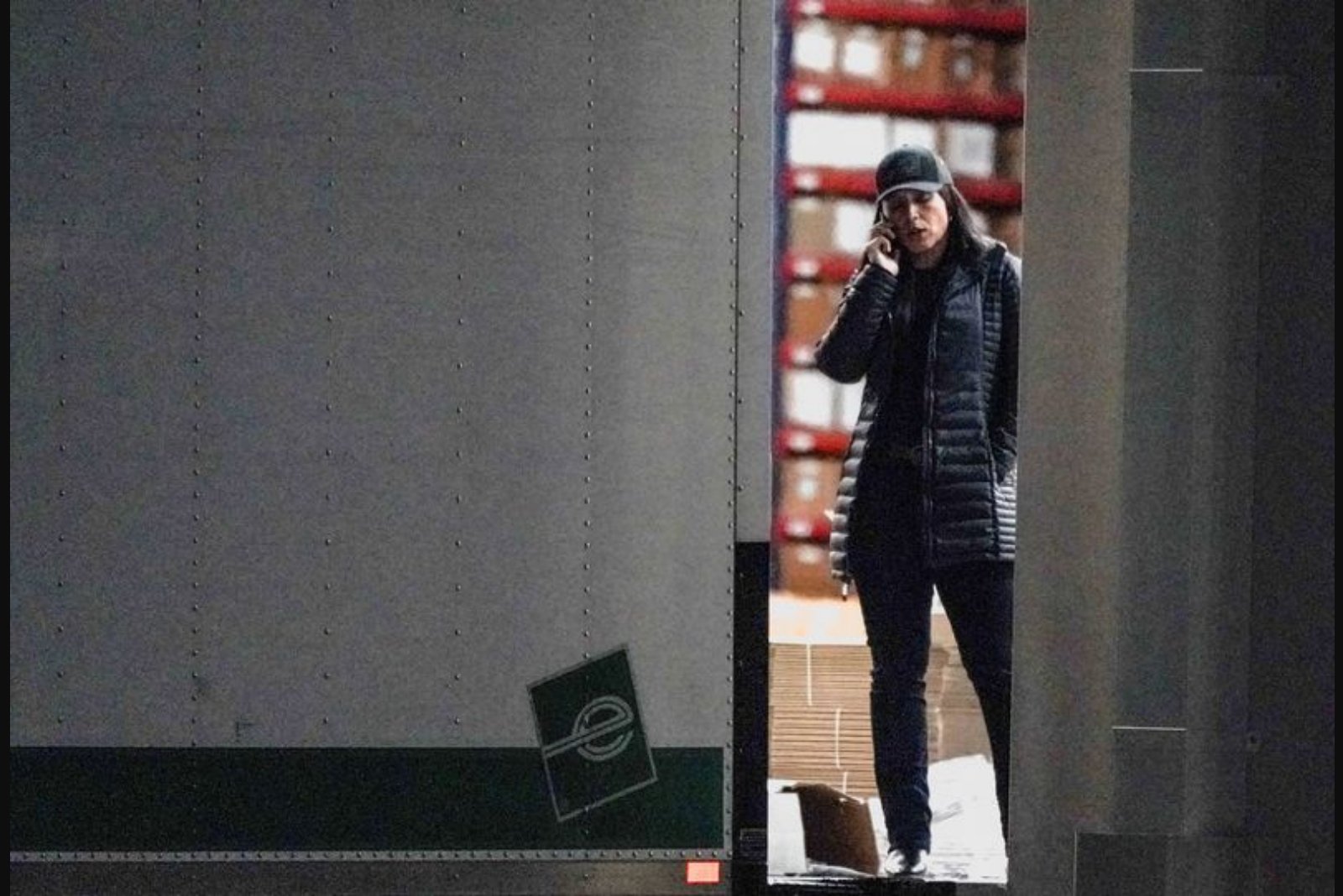
Tulsi Gabbard, the Director of National Intelligence, said in a letter to lawmakers that she was present last week when FBI agents executed a search warrant at an election facility in Fulton County, Georgia, and that her presence followed a request from President Donald Trump and was within her official authority.
In the letter, dated Monday, Gabbard states she observed federal agents carrying out the warrant and that she was on site for a "brief period of time." She wrote that the visit included a stop at the FBI field office in Atlanta, where she "facilitated a brief phone call" allowing the president to thank agents for their work on the probe. Gabbard characterized that call as a departure from customary law enforcement practice. She added that the president did not ask any questions during the call and that neither she nor the president issued directives to law enforcement personnel.
The search in Fulton County targeted the Election Hub and Operation Center and took place on Wednesday. The operation was conducted amid ongoing assertions by Trump that his 2020 election loss resulted from widespread voter fraud - claims that the letter notes have been rejected by courts, state governments and members of the former administration.
Gabbard addressed the letter to Senator Mark Warner and Representative Jim Himes, the top Democrats on the Senate and House intelligence committees, respectively. Those lawmakers had requested a briefing and expressed concern over her attendance during the search. An office statement for Senator Warner said the letter "raises more questions than it answers."
Gabbard defended her actions by citing the statutory responsibilities of the Office of the Director of National Intelligence to "coordinate, integrate, and analyze intelligence related to election security, including counter-intelligence, foreign and other malign influence and cybersecurity." She said her presence was requested by the president and executed under that broad authority.
The inclusion of the nation’s chief intelligence officer in a domestic law enforcement activity is uncommon, reflecting the fact that the ODNI’s remit typically centers on overseas intelligence and national security matters. That juxtaposition has prompted scrutiny from legal experts.
Robert Litt, who served as the ODNI’s top lawyer from 2009 to 2017, raised questions about the statutory bounds of the director’s role. He noted that the DNI’s authorities are defined by statute and "they don’t include investigating past elections for potential fraud," a point he made last week.
Context and unresolved issues
- Gabbard asserts her attendance was requested by the president and tied to election-security duties as defined within ODNI responsibilities.
- Democratic intelligence leaders have sought a fuller briefing and expressed continued concerns about the circumstances of her presence.
- Legal observers have questioned whether investigating alleged past election fraud falls within the DNI’s statutory authority.
Gabbard’s letter provides an account intended to justify her presence and to clarify the nature of the president’s interaction with agents during her visit. The correspondence has, however, prompted demands for additional detail from congressional intelligence committee leaders and drawn scrutiny from legal experts over the appropriate scope of the DNI’s domestic involvement.
The letter and subsequent reactions underscore a series of unsettled questions - about institutional norms for interactions between political leaders and law enforcement at field sites, about how election-security responsibilities are interpreted within the intelligence community, and about what further information congressional overseers will demand and receive.