
Politics March 25, 2026

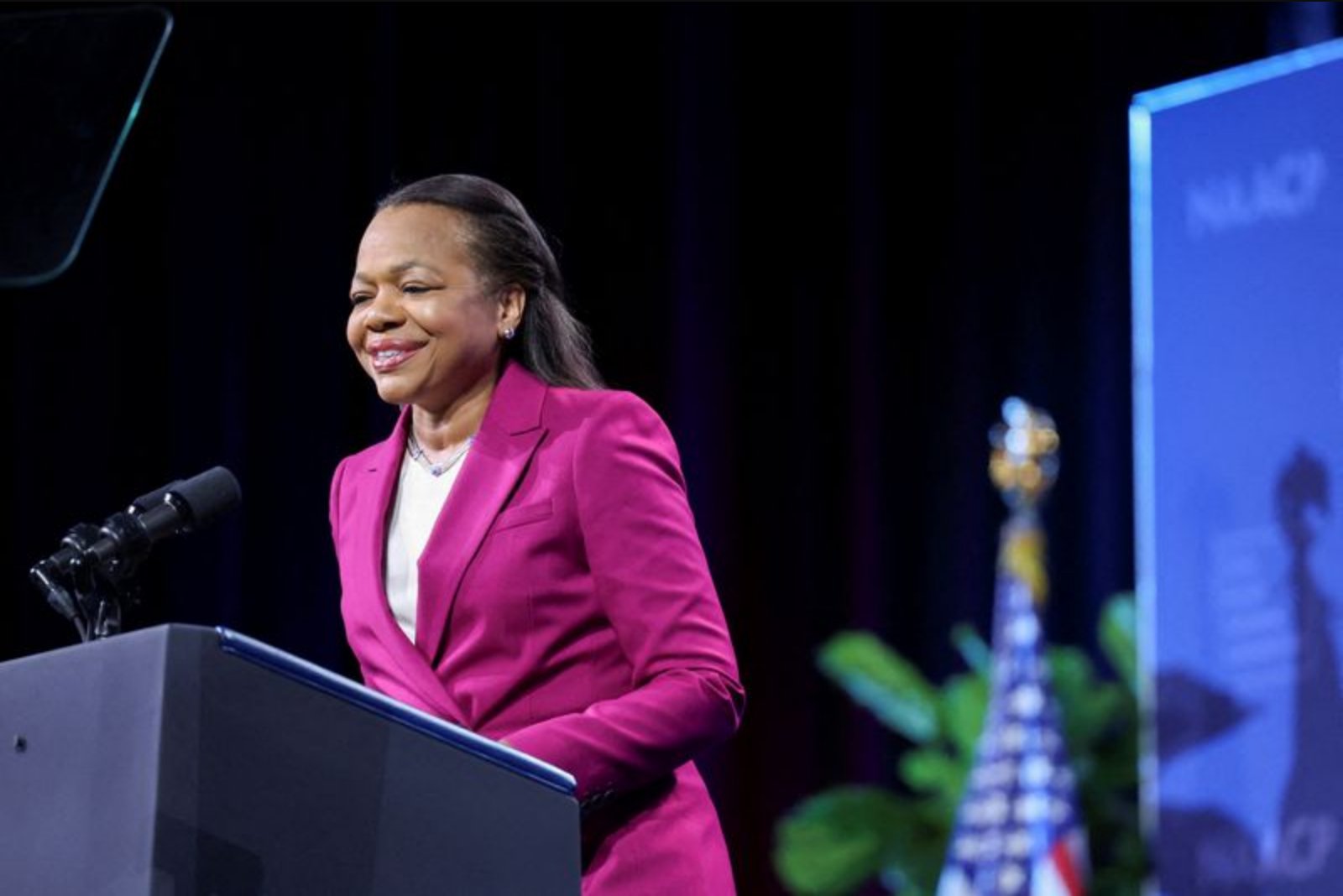
Former Biden Civil Rights Chief Kristen Clarke Joins NAACP as General Counsel

NAACP says hiring expands its legal capacity as it fights new voting maps and alleged student disenfranchisement

By Derek Hwang
Former Biden Civil Rights Chief Kristen Clarke Joins NAACP as General Counsel

Kristen Clarke, who led the U.S. Justice Department's Civil Rights Division during the Biden administration, will become general counsel for the NAACP as the organization signals a stepped-up legal response to what it calls intensifying assaults on voting rights and civil liberties. The move follows a year of litigation by the group against new electoral maps and alleged disenfranchisement, and comes amid changes in priorities at the DOJ's Civil Rights Division under different administrations.

Key Points

  • Kristen Clarke, former head of the DOJ Civil Rights Division under President Biden, will serve as general counsel for the NAACP, boosting the group's legal capabilities.
  • The NAACP has contested new electoral maps in North Carolina and Texas and sued Virginia election officials over alleged student disenfranchisement, signaling intensified litigation on voting-rights issues.
  • Shifts in leadership at the Civil Rights Division have produced different priorities - under Harmeet Dhillon during a Trump second term the division pursued conservative issues and withdrew from police reform agreements, whereas under Clarke it challenged state voting restrictions and negotiated police consent decrees.

Kristen Clarke, the lawyer who served as assistant attorney general in charge of the U.S. Justice Department's Civil Rights Division during President Joe Biden's administration, has been appointed as general counsel for the NAACP, the organization said on Wednesday. The NAACP framed the hire as part of an effort to bolster what it called its "legal firepower" in response to intensifying challenges to civil rights.

Clarke holds the distinction of being the first woman and the first Black woman to be confirmed by the U.S. Senate as assistant attorney general for the Civil Rights Division. Her tenure at the department included civil rights litigation and negotiation of consent decrees intended to reform police practices after federal investigations concluded there had been abuses.

The NAACP highlighted a series of legal actions it pursued over the past year, including challenges to newly drawn electoral maps in North Carolina and Texas that the group contends were drawn to increase Republican representation in the U.S. House of Representatives. The organization also filed a lawsuit alleging that Virginia state election officials disenfranchised students.

In a statement released by the NAACP, its president and chief executive officer, Derrick Johnson, said, "Kristen Clarke is exactly the legal mind this moment demands." The organization presented Clarke's hiring as a strategic reinforcement of its capacity to litigate on issues ranging from voting to policing.

Clarke herself said in the NAACP release, "Our communities are under relentless attack - from the ballot box to their wallets - and this moment demands that we use the full weight of the law to promote justice and accountability."

The Justice Department's Civil Rights Division has seen shifts in focus tied to changes in presidential administrations. The unit was led, during Republican President Donald Trump’s second term, by Harmeet Dhillon. Under that leadership, the division pursued conservative priorities including gun rights and policies pushing back on transgender issues, and it withdrew from pending agreements with the Minneapolis and Louisville police departments related to widespread civil rights abuses, rescinding prior findings of police abuse.

By contrast, while Clarke led the Civil Rights Division under President Biden, the department challenged voting restrictions in states such as Arizona and Georgia and negotiated consent decrees with Minneapolis and Louisville to implement police reforms following federal investigations into civil rights violations.

Separately, Reuters reported last month that the unit within the Civil Rights Division responsible for prosecuting potential wrongdoing by law enforcement - including actions during a crackdown on illegal immigration in Minneapolis - had lost two-thirds of its prosecutors and was operating under directives to scale back investigations of excessive force.

Risks

  • Ongoing litigation over electoral maps and alleged disenfranchisement could sustain legal and political uncertainty affecting state election administration and related public-sector legal expenditures - sectors impacted include government services and legal services.
  • Changes in priorities and staffing within the Justice Department's Civil Rights Division, including reported reductions in prosecutors handling law enforcement wrongdoing, raise uncertainty about the federal enforcement landscape for policing reforms - sectors impacted include municipal governments and law enforcement oversight.
  • Divergent federal approaches to civil rights enforcement across administrations may contribute to regulatory and policy volatility for institutions subject to consent decrees and civil rights investigations - sectors impacted include public safety, local government budgets, and institutions undergoing federal scrutiny.

More from Politics

Released Records Raise New Questions About National Security and Private Business Links in Trump Documents Case Mar 25, 2026 Trump's Policies Reshape U.S. Cultural Landscape, From Museums to Monuments Mar 24, 2026 Anduril Co-founder Blames U.S. Legislative Dysfunction and Tech Industry Choices for Giving China a Strategic Opening Mar 24, 2026 Delta Pauses VIP Services for Lawmakers as Shutdown Strains Airport Operations Mar 24, 2026 Trump Uses Mail-In Ballot in Florida Contest While Criticizing Mail Voting as 'Cheating' Mar 24, 2026