
Politics January 15, 2026

Federal Judge Rejects Justice Department's Request for California Voter Information

Court cites privacy concerns and insufficient legal grounds in denying DOJ access to sensitive voter data

By Marcus Reed
Federal Judge Rejects Justice Department's Request for California Voter Information

A U.S. District Court in California dismissed a lawsuit from the Justice Department seeking comprehensive voter registration data, including sensitive personal details. The ruling emphasized privacy protections and the potential negative impact on voter participation, marking a setback for the Department's efforts to obtain such information amid ongoing claims of voter fraud.

Key Points

  • A federal judge ruled that the Justice Department's request for California's full voter registration data lacks sufficient legal basis and infringes upon privacy laws.
  • The ruling highlights concerns that centralizing sensitive voter information could have a deterrent effect on voter registration and election participation.
  • The Justice Department’s lawsuit reflects its ongoing effort to obtain voter data from several Democratic-led states to verify voter roll integrity under the pretext of preventing fraud.

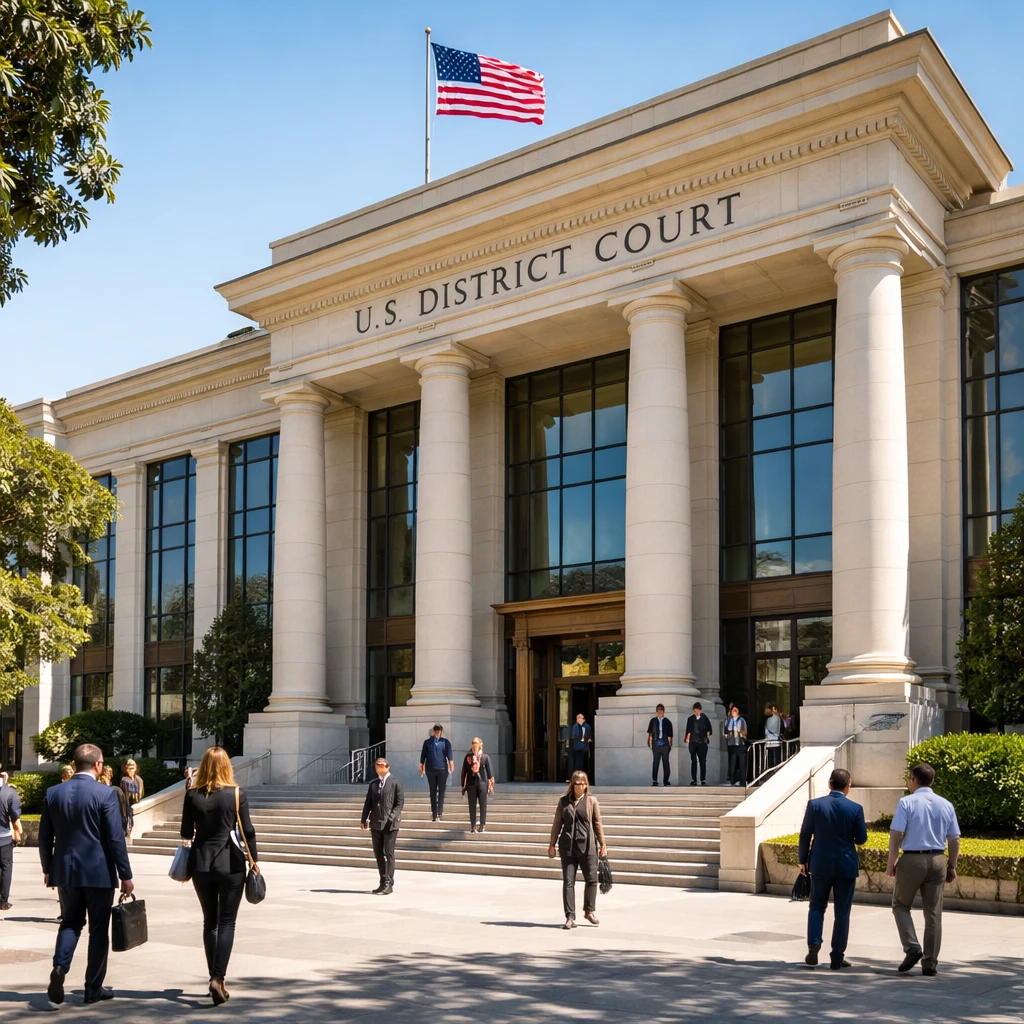
On January 15, a federal judge in Santa Ana, California, ruled against a U.S. Justice Department lawsuit demanding full, unredacted voter registration records from across the state. U.S. District Judge David Carter determined that the Department's claims did not meet the necessary legal standards under federal civil rights statutes and election laws.

The Justice Department had sought detailed information from the California voter rolls, including names, dates of birth, driver’s license numbers, and partial social security numbers. However, Judge Carter pointed out that these demands violated existing privacy protections intended to safeguard sensitive personal data.

According to the judge's opinion, centralizing such voter data under federal control could discourage voter registration and participation. He cautioned that voters might fear misuse of their personal information, potentially leading to reduced turnout in elections.

This lawsuit was part of a broader initiative by the Department of Justice, which in September filed similar legal actions against California and several other predominantly Democratic states. The Department cited specific laws permitting the attorney general to request statewide voter registration lists and ensure their proper maintenance.

California had resisted these requests, asserting that it was not legally obligated to provide the requested data. California Secretary of State Shirley Weber issued a statement affirming her commitment to defending voter privacy and the integrity of the democratic process, criticizing the Justice Department's approach as a disregard for legal norms and voter rights.

The Justice Department did not offer immediate comment on the court’s decision. Reuters previously reported that the Department was discussing sharing voter registration data with an element of the Department of Homeland Security for potential criminal and immigration enforcement purposes.

This legal confrontation occurs against a backdrop of unsubstantiated claims promoted by former President Donald Trump and some allies regarding widespread voter fraud, including assertions that undocumented immigrants are voting illegally. Despite these claims, no evidence supporting widespread voter fraud has been presented.

Risks

  • Privacy concerns raised by centralizing detailed voter information may negatively affect voter turnout, impacting election outcomes and democratic participation, particularly in California.
  • The continuation of legal disputes concerning voter data access creates uncertainty around government surveillance practices and state-federal relations, potentially influencing policy and election-related costs.
  • Ongoing politically charged allegations of voter fraud, coupled with attempts to access sensitive voter data, risk undermining public trust in the electoral system and may affect regulatory and enforcement actions related to voting.

More from Politics

Federal Judge Refuses to Halt DHS Immigration Operation in Minneapolis-St. Paul Feb 2, 2026 Judge Orders Release of Detained Father and Five-Year-Old; Family Returned to Minnesota, Lawmaker Says Feb 1, 2026 Democrat Flips Texas State Senate Seat, Prompting GOP Alarm Ahead of 2026 Feb 1, 2026 Chicago Mayor Orders Police to Probe Allegations of Illegal Conduct by Federal Immigration Agents Jan 31, 2026 Minneapolis Confrontations Persist as Trump Rebukes Mayor Over Immigration Stance Jan 30, 2026