
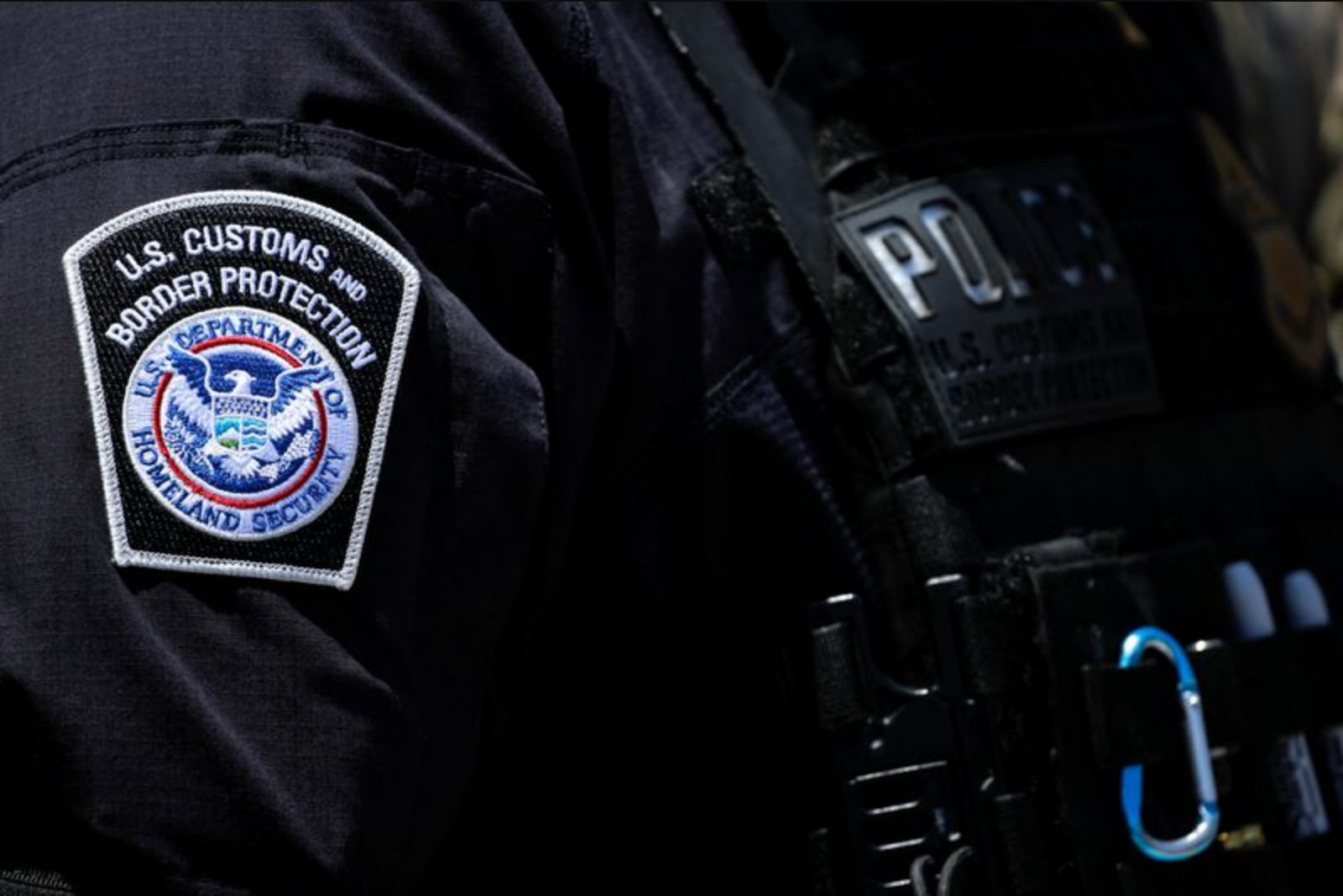
A federal judge in California said on Wednesday that U.S. Customs and Border Protection officials breached a prior judicial order that limited warrantless arrests, finding the agents acted improperly during an immigration enforcement sweep in a Home Depot parking lot in Sacramento.
U.S. District Judge Jennifer Thurston, an appointee of Democratic former President Joe Biden, had issued an order in April last year that prohibited federal agents from making warrantless arrests without first determining that the noncitizen presented a flight risk. In court records released on Wednesday, Judge Thurston said that the Sacramento operation in July 2025 appeared to run afoul of that directive.
According to the judge, agents conducting the July 2025 enforcement action relied on 11 "virtually identical" forms to substantiate detentions and arrests. The use of those forms was highlighted in the court's review of the evidence, which also included recorded footage of the scene.
"Congress requires Agents to consider whether, when making warrantless arrests, the noncitizen poses a flight risk or a danger to community if released. Rather than abide by Congress' mandate, Agents arrested everyone who could not establish citizenship," Thurston said in the court records.
After examining the documentary record and the recording of the Sacramento action, the court concluded that "Defendants have again detained people without reasonable suspicion for doing so." As a remedy, the judge ordered that agents operating throughout the Eastern District of California must properly document their reasons for future stops and arrests.
The ruling came amid a broader federal push on immigration enforcement under President Donald Trump's administration. The administration's hardline approach has been described in the court records as aggressive and has been widely criticized by human rights organizations, which say the policies violate due process and free speech protections and have created an unsafe environment for ethnic minorities, fueling concerns about racial profiling. The administration, for its part, frames the measures as efforts to reduce illegal immigration and enhance domestic security.
Judge Thurston's findings focus narrowly on procedure and statutory obligations tied to warrantless arrests rather than on broader policy goals. The court's order underscores the requirement that agents evaluate flight risk and danger to the community before effecting arrests without a warrant and reinforces documentation standards for enforcement actions in the Eastern District of California.
Summary
A federal judge found that CBP agents violated a prior court order limiting warrantless arrests during a July 2025 immigration sweep in a Sacramento Home Depot parking lot, citing the use of almost identical forms to justify arrests and ordering better documentation for future stops across the Eastern District of California.