
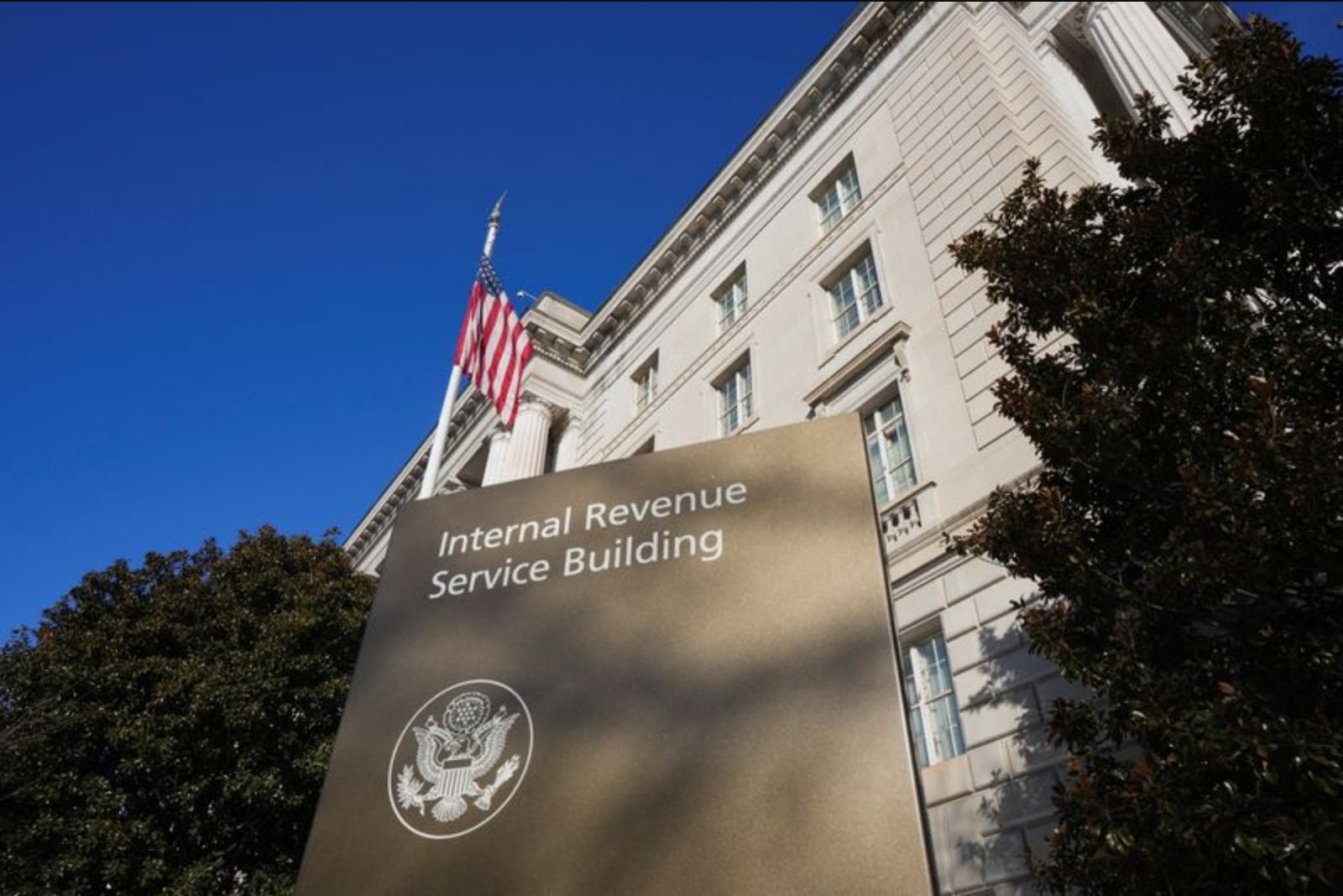
Federal court intervention that would have cleared a path for houses of worship to openly endorse political candidates was blocked on Tuesday when a U.S. district judge in Texas said he lacked the authority to approve the proposed agreement.
U.S. District Judge J. Campbell Barker, sitting in Tyler, Texas, declined to sign a consent judgment the U.S. Internal Revenue Service had negotiated with two Texas churches and the National Religious Broadcasters, an association of Christian broadcasters. Barker concluded he was without jurisdiction to hear the matter and therefore could not validate the settlement.
Under the settlement the IRS proposed, communications by houses of worship to their own congregations that are of a traditional religious character would be treated as exempt from the Johnson Amendment, a 1954 provision of the U.S. tax code that bars nonprofits, both religious and secular, from endorsing political candidates. The IRS entered into the agreement in July to resolve litigation brought by the National Religious Broadcasters ahead of the 2024 presidential election. The 1954 provision is commonly referred to as the Johnson Amendment, named for then-Senator Lyndon Johnson, who later became president.
Barker - who was appointed by President Donald Trump during his first administration - sided with opponents of the IRS agreement, notably the Americans United for Separation of Church and State, in finding that the Tax Anti-Injunction Act prevented him from approving the deal. That federal statute broadly bars suits that seek to block the collection of taxes.
In his ruling, Barker said that a judicial declaration that the Johnson Amendment did not apply to specified conduct "would thus directly bear on the amount of tax that could be collected." That connection to potential tax liability was central to his determination that the Anti-Injunction Act applied.
Respondents to the settlement cheered the dismissal. Rachel Laser, president of the Americans United for Separation of Church and State, praised the judge's decision, saying in a statement that it means "the Johnson Amendment will remain a strong bulwark to stop religious extremists from exploiting houses of worship."
By contrast, Michael Farris, general counsel for the National Religious Broadcasters, said his organization intends to appeal. Farris argued that Barker's ruling overlooked an exemption to the Anti-Injunction Act that, in NRB's view, would permit the challenge to proceed.
The IRS did not respond to a request for comment.
The litigation and the subsequent settlement unfolded against a backdrop of shifting positions within the Department of Justice. According to court filings, the Justice Department under President Joe Biden had defended the constitutionality of the Johnson Amendment in litigation before the administration later shifted course under President Trump, who has advocated for repeal of the provision.
When proposing the settlement last year, the IRS explained that construing the Johnson Amendment to reach traditional communications between a house of worship and its congregation could create "serious tension" with religious rights protected by the First Amendment of the U.S. Constitution. That concern formed part of the agency's rationale for entering into the agreement with NRB and the two churches.
This ruling leaves in place the status of the Johnson Amendment as a legal constraint on nonprofit electioneering in the absence of further judicial proceedings or legislative action. NRB has signaled it will appeal the dismissal, while opponents of the settlement framed the decision as preserving a longstanding statutory barrier to political endorsements by tax-exempt institutions.