
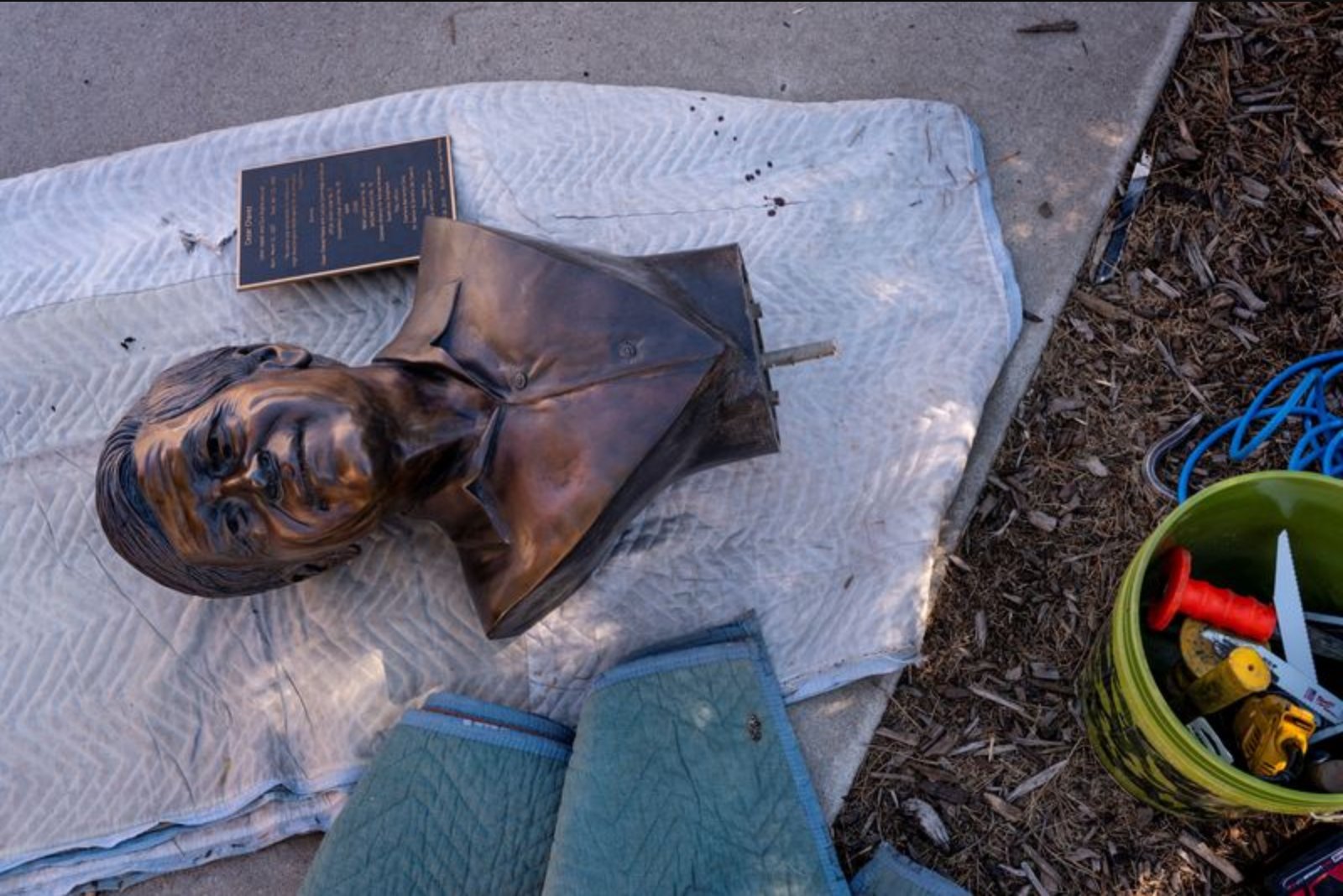
California lawmakers on Thursday approved legislation to change the name of the state holiday Cesar Chavez Day to Farmworkers Day. The measure passed both the State Senate and the Assembly and was transmitted to Governor Gavin Newsom for consideration.
The legislation comes after multiple women, among them United Farm Workers cofounder Dolores Huerta, publicly alleged that Cesar Chavez sexually abused them during the farmworker movement. Some of the accusers said they were girls at the time of the alleged abuse. Those allegations were cited as the context for the legislative effort to rename the state holiday.
California was the first U.S. state to designate Cesar Chavez Day as an official state holiday. The newly approved bill would replace that name with Farmworkers Day, preserving a day of recognition while altering who is explicitly honored by the state's designation.
The legislative action in Sacramento echoed other moves elsewhere in the country. On the same day, Minnesota lawmakers voted to repeal Cesar Chavez Day. Texas officials last week indicated they would not observe Cesar Chavez Day, with Governor Greg Abbott stating the state would work with lawmakers to remove the holiday from state law. At the municipal level, Los Angeles Mayor Karen Bass signed a proclamation last week renaming March 31 Farmworkers Day within the city.
The approval by California's legislature marks a formal step in a process that will be completed if the governor signs the bill into law. Until the governor acts, the change remains pending.
Clear summary
- California legislature approved changing Cesar Chavez Day to Farmworkers Day and sent the bill to Governor Gavin Newsom.
- Multiple women, including Dolores Huerta, have alleged Chavez sexually abused them; some alleged victims were minors at the time.
- Other jurisdictions are altering or removing observance of Cesar Chavez Day, including actions in Minnesota, Texas, and Los Angeles.
The measure preserves a state-level day of recognition while revising the name and the figure the holiday explicitly honors. The lawmaking action follows public allegations that have prompted debate and prompted other governments to reassess observance.