
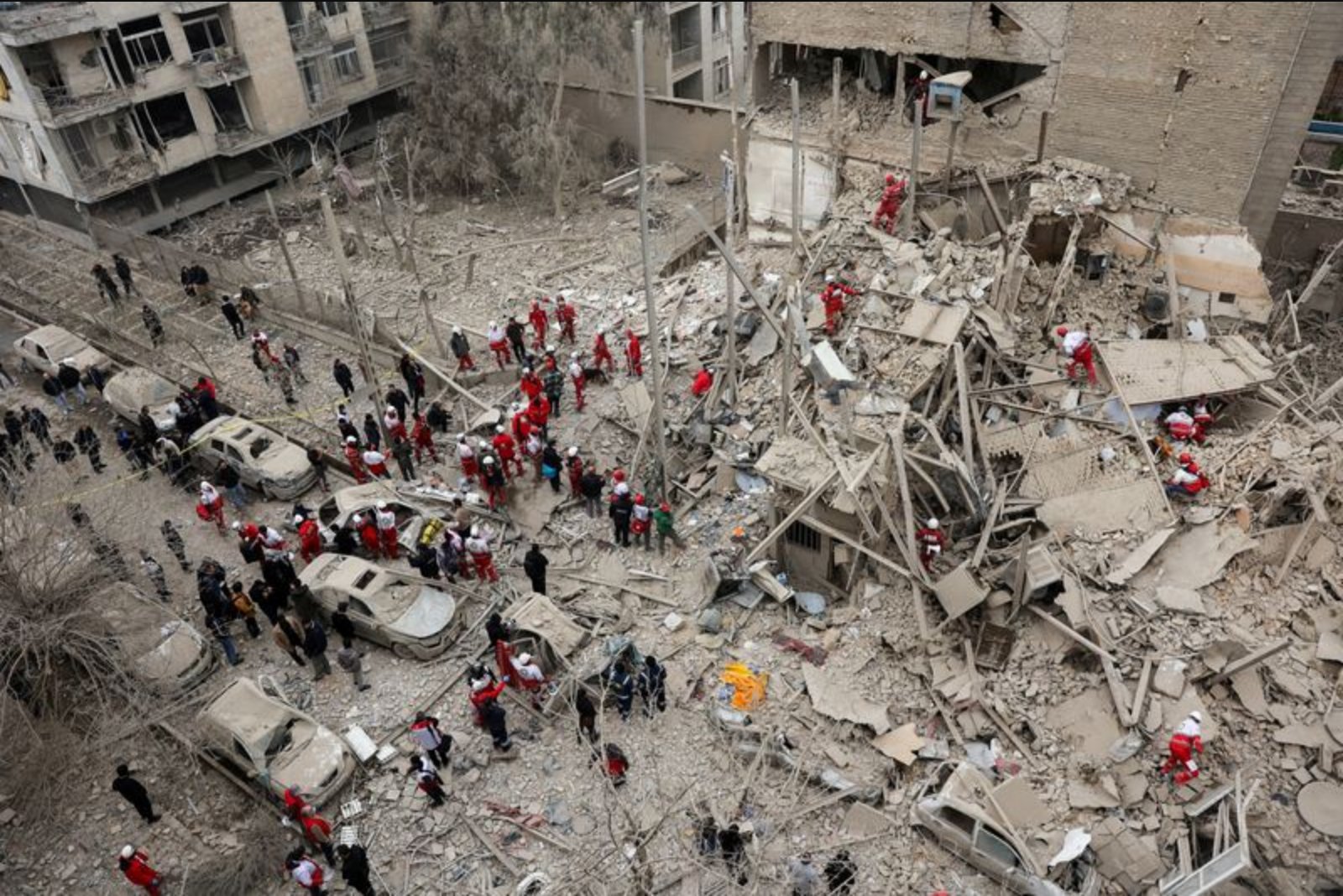
The conflict in Iran, entering its fourth week, has produced a substantial shock to energy supplies that is affecting economies across the globe. That disruption is not uniform: some countries are more exposed to rising oil and gas prices, to bottlenecks in key shipping routes, or to limited fiscal or monetary room to respond.
Europe and the G7 - first line of pressure
Europe stands out as a region particularly susceptible to the renewed energy squeeze. The fresh rise in energy costs has revived memories of the fallout from Russia's invasion of Ukraine four years ago and has again highlighted the continent's import dependence on external energy sources. Markets anticipate an uptick in inflation and traders are pricing a greater chance that both the European Central Bank and the Bank of England will have to lift interest rates over the course of the year.
Official data published on Tuesday showed that business activity is already feeling the strain from the conflict, indicating a slowdown in economic momentum.
Germany
Germany's economy - with a large industrial and export-oriented footprint - faces material downside from elevated energy costs and any global demand softness that would depress exports. Despite these vulnerabilities, German firms are, for the moment, keeping activity afloat and the manufacturing sector continues an expansion phase after a period of contraction that lasted nearly four years. Policymakers' sizeable stimulus package unveiled last year is expected to provide some mitigation against the shock.
Italy
Italy also features a significant manufacturing base and, within Europe, relies heavily on oil and gas for its primary energy needs. That composition raises its exposure to higher commodity bills and supply disruptions.
Britain
Of the major economies, the UK relies more heavily on gas-fired generation for electricity than many of its European peers. Because gas prices typically determine electricity pricing in Britain, recent gas price rises - which have outpaced oil price increases since the start of the conflict - translate quickly into consumer energy bills. The government's energy price cap will blunt the initial surge in inflation to some extent, but the prospect of further interest rate increases would intensify stress on borrowers in Britain, which already faces the highest borrowing costs among G7 members amid rising unemployment. Fiscal space to support households and businesses is limited by budgetary pressures and strains in the bond market.
Japan
Japan is exposed through its large dependence on Middle Eastern oil - sourcing around 95% of its crude from the region - and the fact that nearly 90% of that oil transits the Strait of Hormuz. Those vulnerabilities are layered atop inflationary pressures already present due to a weak yen, which pushes up prices for imported raw materials and everyday goods.
Emerging-economy heavyweights and the Gulf - direct and secondary effects
The Gulf producing states are taking a direct economic hit. Some forecasters are already revising down expectations and predicting the region's economy could shrink this year, reversing the pre-conflict outlook for solid growth. Higher oil and gas prices alone do not guarantee relief if the de facto closure of the Strait of Hormuz prevents hydrocarbon shipments from reaching global markets - an outcome that would be particularly damaging for exporters such as Kuwait, Qatar and Bahrain.
The conflict also risks disrupting remittances - the funds expatriate workers send back home - which annually provide tens of billions of dollars into local economies and are an important income channel across the region.
India
India is another major economy with significant exposure. It imports roughly 90% of its crude oil and almost half of its liquefied petroleum gas, and about half of that oil and an even larger share of its LPG are routed through the Strait of Hormuz. Economists have already pared back growth forecasts for India and the rupee has fallen to a record low. At the household level, the surge in gas prices has led to informal rationing of cooked food and drinks in restaurants and kitchens, with consumers and businesses cutting back on hot items ranging from traditional snacks to tea.
Turkey
Sharing a land border with Iran, Turkey is preparing for potential refugee flows and heightened geopolitical uncertainty. The immediate economic effects have concentrated on the central bank and the currency. The bank has halted its cycle of rate cuts for the second time in a year and has deployed as much as $23 billion of foreign exchange reserves in efforts to support the lira.
The fragile few - countries operating near breaking points
Several countries that have recently experienced acute economic crises or near-crises look particularly vulnerable to fresh shocks to energy and trade.
Sri Lanka
Authorities in Sri Lanka have taken measures aimed at limiting energy expenditure, including declaring every Wednesday a public holiday for state employees. Across the public sector, schools, universities and other institutions are being closed, non-essential public transport has been suspended, and drivers must now obtain a National Fuel Pass that restricts fuel purchases.
Pakistan
Pakistan, which confronted a severe crisis two years ago, has raised petrol prices and closed schools for a two-week period. Government departments have seen their fuel allowances halved, purchases of new air conditioners and furniture have been banned, and officials have been ordered to take a portion of government vehicles off the road - steps designed to curb public energy and spending.
Egypt
Egypt is contending with rising costs for fuel and staple foods while facing the prospect of a sharp reduction in revenues from the Suez Canal and from tourism - tourism generated almost $20 billion for the economy last year. The fall in Egypt's currency - about a near 9% decline since the conflict began - has made servicing U.S. dollar-denominated debt more onerous.
Across economies large and small, the immediate fallout from the conflict is expressed through higher energy bills, elevated inflation and stress on current-account and fiscal balances. The capacity of governments and central banks to respond varies: some are using stimulus measures or price caps, others are drawing on reserves or tightening policy, and several are constrained by weak currencies or limited fiscal room.
How these pressures transmit to credit costs, corporate earnings and household balance sheets will depend on the path of energy markets and shipping security in the weeks ahead - variables that are already prompting market participants and policymakers to recalibrate growth and inflation expectations.