
Economy March 23, 2026

White House Weighs Iran Parliament Speaker as Possible Partner for Negotiated Exit

Administration officials are evaluating Mohammad Bagher Ghalibaf amid a pause in strikes on Iranian energy infrastructure as diplomacy is explored

By Avery Klein
White House Weighs Iran Parliament Speaker as Possible Partner for Negotiated Exit

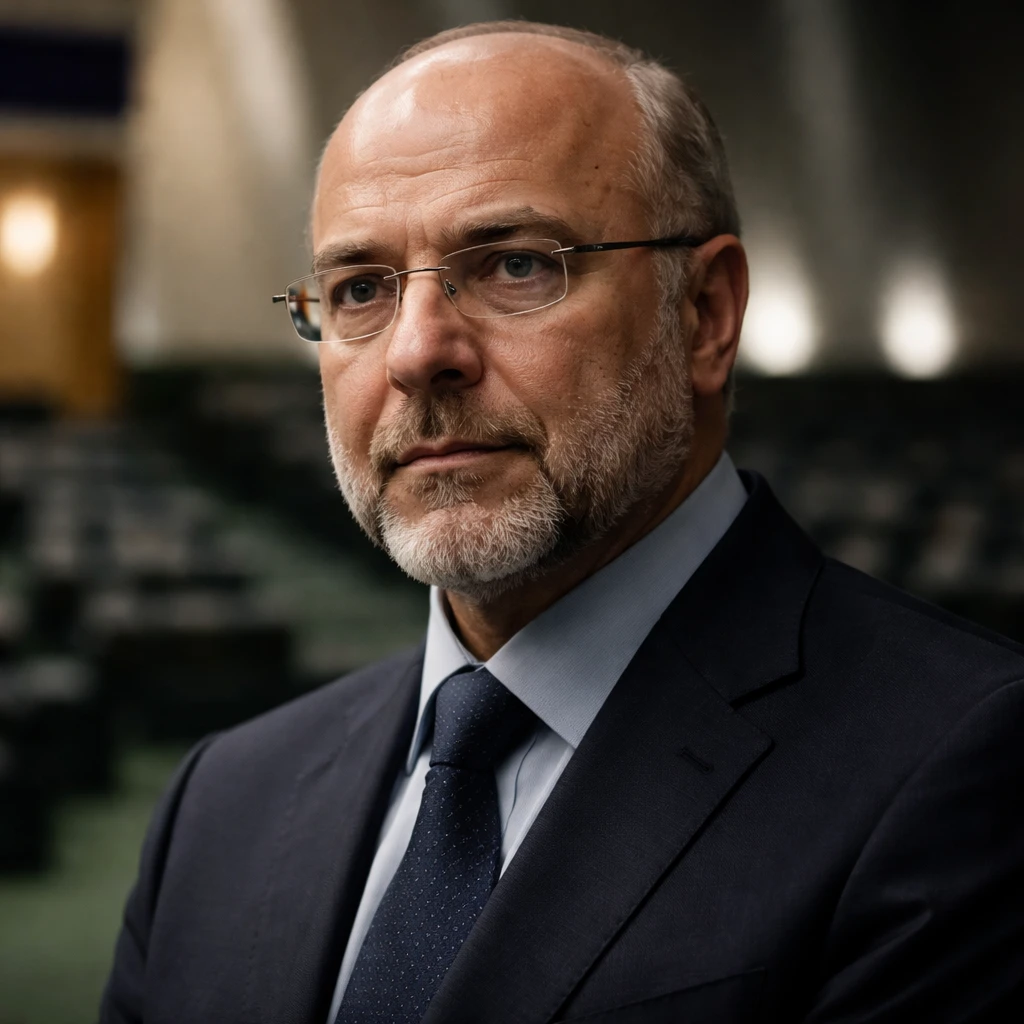
The U.S. administration is quietly assessing Mohammad Bagher Ghalibaf, the 64-year-old speaker of Iran's parliament, as a potential partner to shepherd Tehran toward negotiated diplomacy and an end to the current military escalation. Some U.S. officials view him as a workable figure despite prior threats he has made against the United States. The outreach coincides with a five-day pause in strikes on Iranian energy infrastructure as Washington seeks high-level talks, with a key objective to protect global oil markets and limit inflationary pressures.

Key Points

  • U.S. officials are evaluating Mohammad Bagher Ghalibaf, the 64-year-old speaker of Iran's parliament, as a potential partner to move Iran toward negotiated diplomacy and an end to the current military escalation - Energy markets and global financial markets are directly implicated.
  • The White House has enacted a five-day pause on strikes against Iranian energy infrastructure to allow for high-level talks - this pause is intended to create a diplomatic window to protect oil supplies and prevent further inflationary pressure.
  • Administration strategists aim to secure a cooperative leader who would offer favorable energy terms in exchange for political protection, drawing a comparison to the Venezuela arrangement involving Delcy Rodríguez - this approach targets stability in global oil markets and related economic sectors.

U.S. officials are privately considering Mohammad Bagher Ghalibaf, the 64-year-old speaker of Iran's parliament, as a potential intermediary to help steer Iran into negotiated diplomacy and conclude the present phase of hostilities. Administration sources say Ghalibaf is under active review among a slate of candidates the White House is assessing for a possible political transition or accommodation.

While Ghalibaf has in the past threatened retaliation against the United States, some officials believe he could play a role in resolving the current military escalation. One administration official described him bluntly as "He’s a hot option," while adding that the White House is still stress-testing multiple candidates for suitability.

President Trump has publicly indicated a desire to identify a "solid" leader who could contribute to stabilizing the region following a period when U.S. and Israeli operations significantly weakened Tehran’s leadership. The search for a cooperative figure runs parallel to the president's decision to impose a five-day pause on military strikes targeting Iranian energy infrastructure, a suspension intended to create space for high-level negotiations.

Protecting global oil supplies and avoiding further upward pressure on inflation are central motives behind this diplomatic push. Administration officials say the aim is to secure an energy arrangement that serves U.S. interests. In that vein, one official framed the strategy as seeking a deal akin to the arrangement involving Delcy Rodríguez in Venezuela, saying, "It’s all about installing someone like a Delcy Rodríguez in Venezuela that we say, ‘We’re going to keep you there.'" That comment underscores a preference for a political figure who would trade cooperation on energy terms for political survival.

Not all U.S. partners are convinced such a transactional arrangement would be accepted by Iran's leadership. Some national security allies have expressed skepticism that Tehran would agree to a deal of this nature. Critics within and outside government suggest the president may be overstating the state of diplomatic progress as a way to buy time and calm volatile global markets.

Tehran, for its part, has denied that formal negotiations are underway. Ghalibaf himself dismissed the president's claims as "fake news" and framed those assertions as an attempt to manipulate global financial and oil markets.


Contextual note: The information above reflects the positions and statements attributed to U.S. administration officials and to Iranian leadership as reported by government sources. Where assertions are disputed, those disputes are reported as described by the parties involved.

Risks

  • Iranian leadership has denied that negotiations are taking place, and Ghalibaf called U.S. claims "fake news" aimed at manipulating global financial and oil markets - this denial risks undermining diplomatic momentum and could spur further market volatility in the energy sector.
  • Some national security allies are skeptical that Tehran would accept a transactional arrangement, raising the possibility that diplomatic efforts may fail to produce a cooperative leader - failure could exacerbate geopolitical risk premiums affecting oil, commodities, and risk assets.
  • Critics warn the president may be overstating diplomatic progress to stabilize markets temporarily, which could leave markets exposed if negotiations do not yield an agreement - this uncertainty poses downside risk for sectors sensitive to oil price spikes and inflation expectations.

More from Economy

Japan’s underlying inflation eases beneath BOJ goal, raising questions on rate trajectory Mar 23, 2026 Large Oil Futures Bets Traded Minutes Before Trump’s Iran Post, Report Says Mar 23, 2026 U.S. and Ukraine Meet in Kyiv as Reconstruction Fund Nears First Investment Decision Mar 23, 2026 Markets Rally as U.S. Defers Strikes on Iran’s Power Grid; Oil Plummets Mar 23, 2026 Russia Pauses Shift to Bigger Fiscal Reserves as Iran Conflict Sends Oil Prices Higher Mar 23, 2026