
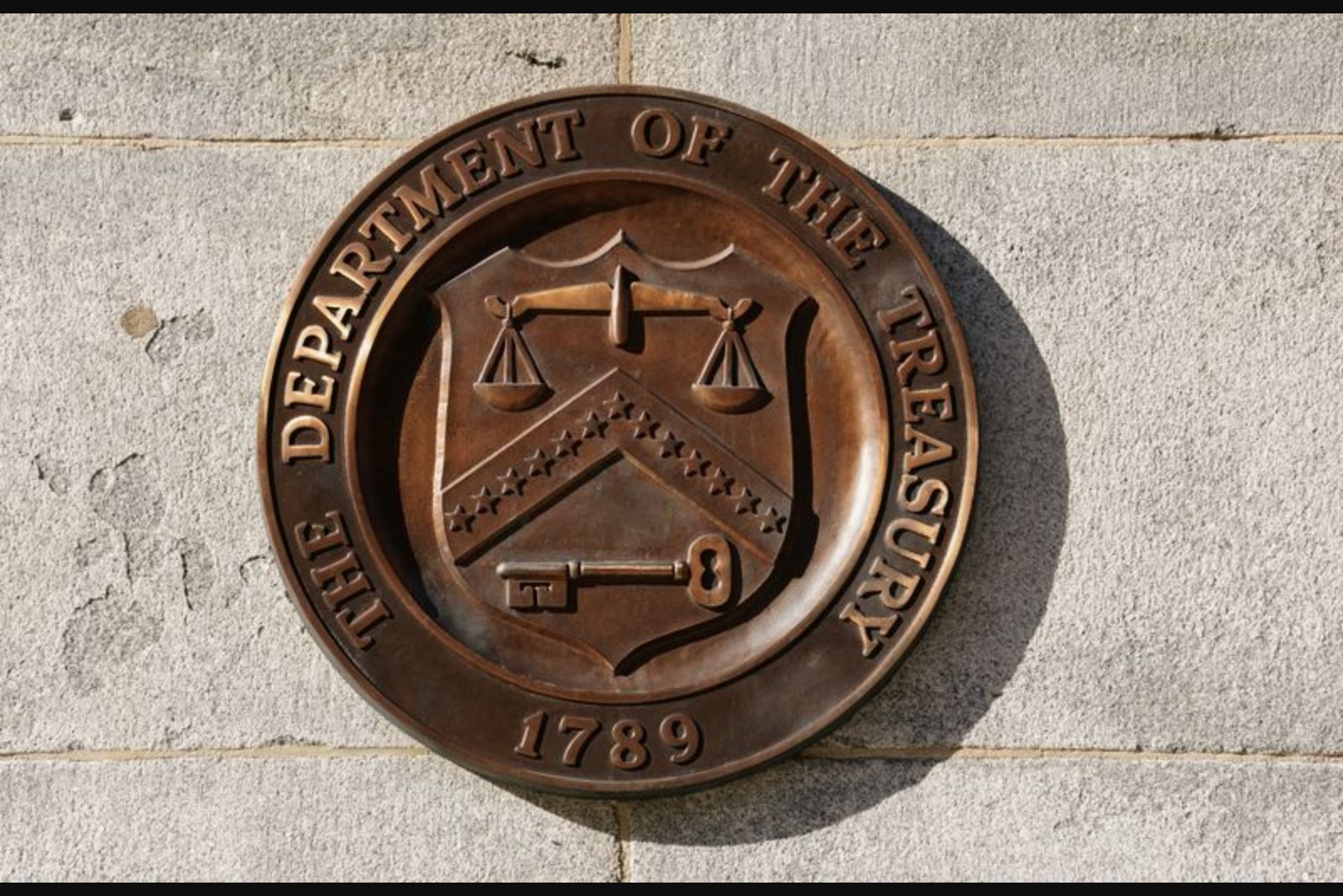
The U.S. Treasury Department said on Wednesday it will convene a set of meetings starting in April with both domestic and international insurance regulators to focus on recent developments in private credit markets.
According to the department, the meetings are scheduled to begin in April and continue through early May. Participants will be able to review recent market events, identify emerging risks, discuss risk management practices, and consider outlooks for the private credit sector.
The department described the initial round of sessions as a step toward strengthening communication with state insurance regulators. In a statement it said: "This first series of meetings will facilitate greater regular communication with the state insurance regulators, who serve as the insurance industry’s primary regulators, and lay the groundwork for sustained close collaboration."
Officials framed the outreach as an opportunity for regulators to take stock of recent strains in the private credit market. In recent weeks, the sector has seen heightened jitters - a dynamic that has coincided with some major U.S. banks tightening their lending while private credit funds have capped withdrawals.
Those developments reflect investors' concerns over valuations and transparency in the private credit space, as well as broader worries about the health of the overall economy. The combination of capped withdrawals and reduced bank lending has led some participants to exit the sector, contributing to recent market unease.
The meetings are intended to provide a forum for sustained dialogue among state insurance regulators - who the Treasury notes serve as the primary supervisors of the insurance industry - and other regulatory counterparts. By surveying recent events and risk management approaches, the Treasury aims to build a foundation for continued coordination on oversight and monitoring of private credit exposures.
Clear summary
The Treasury will hold meetings from April into early May with domestic and international insurance regulators to assess recent private credit market disturbances, review emerging risks and risk management practices, and coordinate ongoing supervisory engagement.