
Summary
U.S. Treasury Secretary Scott Bessent said after meetings in Tokyo that the United States and Japan keep up "constant and robust" coordination in confronting excessive swings in currency markets. Japanese Finance Minister Satsuki Katayama echoed that message, saying Tokyo is acting in line with a joint statement with Washington that permits intervention to counter extreme volatility.
Meeting outcomes and official comments
Bessent made his remarks after a bilateral meeting with Katayama during his visit to Tokyo. Posting on X, he said, "I was pleased to reaffirm the strong economic partnership between the United States and Japan." He added that "the level of communication and coordination between our teams in addressing undesirable, excess volatility in currency markets continues to be constant and robust."
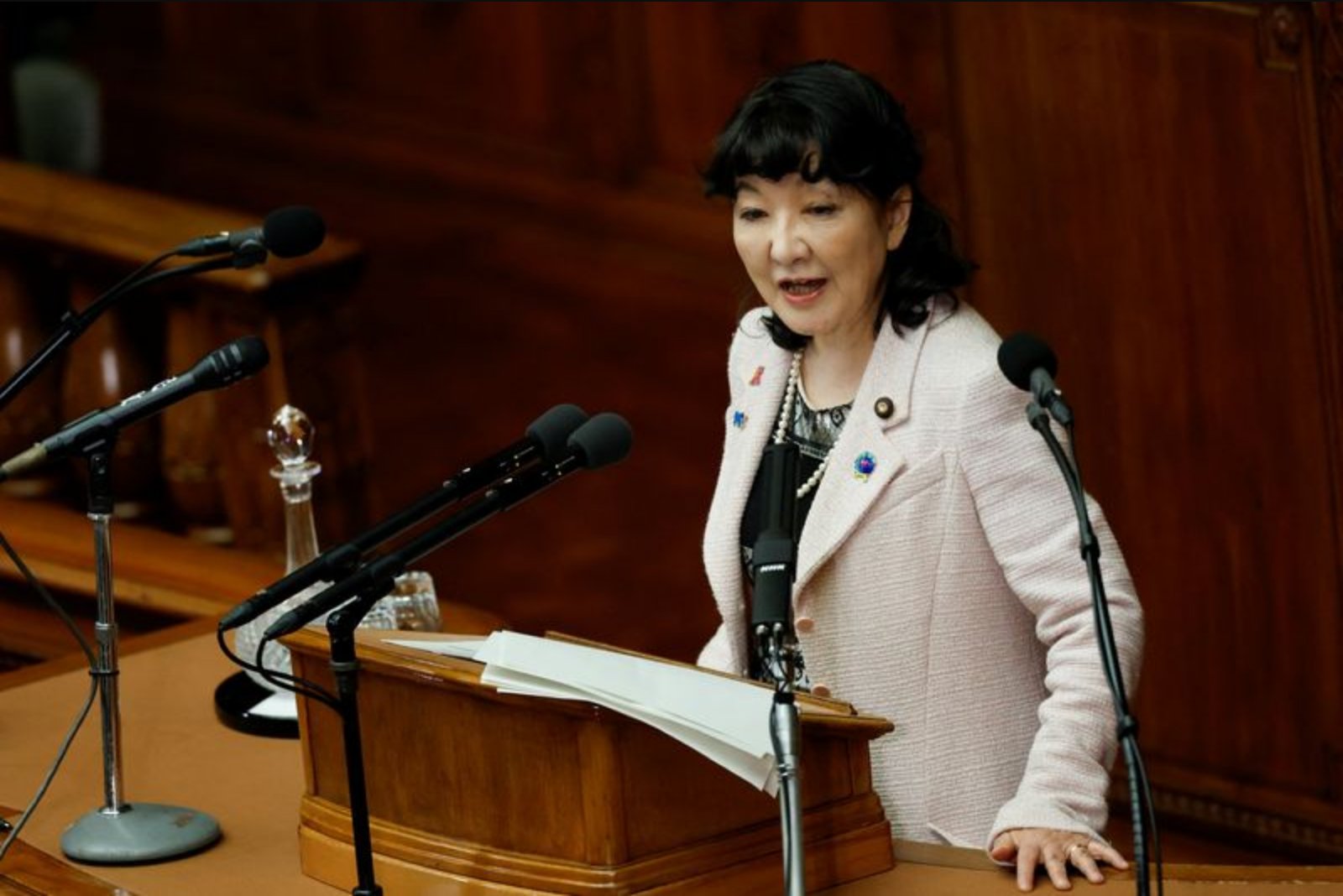
Katayama told reporters that she and Bessent had reaffirmed close coordination on exchange-rate moves, explicitly including the use of currency intervention. She said Japan's responses were consistent with a joint statement signed with the United States last September that authorized foreign exchange intervention when necessary to counter excessive market volatility.
At a subsequent news conference Katayama said, "We agreed that we are coordinating extremely well on recent market moves, including exchange rates." She noted the need for continuing close cooperation given current conditions and declined to comment when asked whether the Bank of Japan's monetary policy had come up in their talks.
Market reaction
Markets registered a modest reaction to the exchange of views. The yen weakened slightly during Katayama's remarks, moving past 157.50 to the dollar. The official conversion cited in discussions was $1 = 157.5200 yen.
Analysts and policy implications
Some market participants had been looking for a stronger public rebuke of yen weakness from Japan's interlocutors, but Katayama's emphasis on coordination without a sharper warning disappointed some traders. Akira Moroga, chief market strategist at Aozora Bank, said that markets will now focus on "what kind of messages Bessent will put out going forward."
Japanese officials appear to be hoping that Bessent's endorsement of Tokyo's actions in the currency market will reinforce the effectiveness of their intervention and help slow the yen's decline. Some observers have suggested Bessent might press for quicker rate increases from the Bank of Japan as a means to support the currency; however, Bessent's remarks published after the meeting did not explicitly demand such moves.
Other policy avenues and central bank considerations
Tokyo has also signaled it is monitoring speculative pressures in oil futures as a potential driver of the yen's weakness, and has not ruled out intervening in those markets. Katayama clarified that Japan has not taken any steps in oil futures markets to date.
Inside the Bank of Japan, minutes or summaries of recent discussions indicate that some policymakers have viewed the war-linked spike in oil prices as adding to inflationary pressures, and that a minority flagged the possibility of a rate increase as early as June. The content of those internal opinions was referenced in the meetings held by officials in Tokyo, but neither Bessent nor Katayama detailed any specific timeline for monetary policy adjustments.
Coordination beyond foreign exchange
In addition to currency discussions, Bessent held talks with Ryosei Akazawa, Japan's minister for economy, trade and industry, and the two agreed to deepen cooperation in the areas of energy and critical minerals. Bessent is also expected to meet Prime Minister Sanae Takaichi before his three-day visit to Tokyo concludes on Wednesday.
Conclusion
Officials from Tokyo and Washington emphasized that lines of communication remain open and active in seeking to curb excessive volatility in currency markets. Market participants will be watching future public statements from Bessent and subsequent bilateral contacts to gauge whether that coordination translates into sustained support for the yen or additional policy actions.
Note: Exchange rate referenced in reporting: $1 = 157.5200 yen.