
Economy January 23, 2026

U.S. Treasury Enacts Sanctions Against Key Iranian Oil Transport Vessels and Operators

Targeted sanctions aim to cut off funding sources used by Iranian regime amidst domestic repression

By Maya Rios
U.S. Treasury Enacts Sanctions Against Key Iranian Oil Transport Vessels and Operators

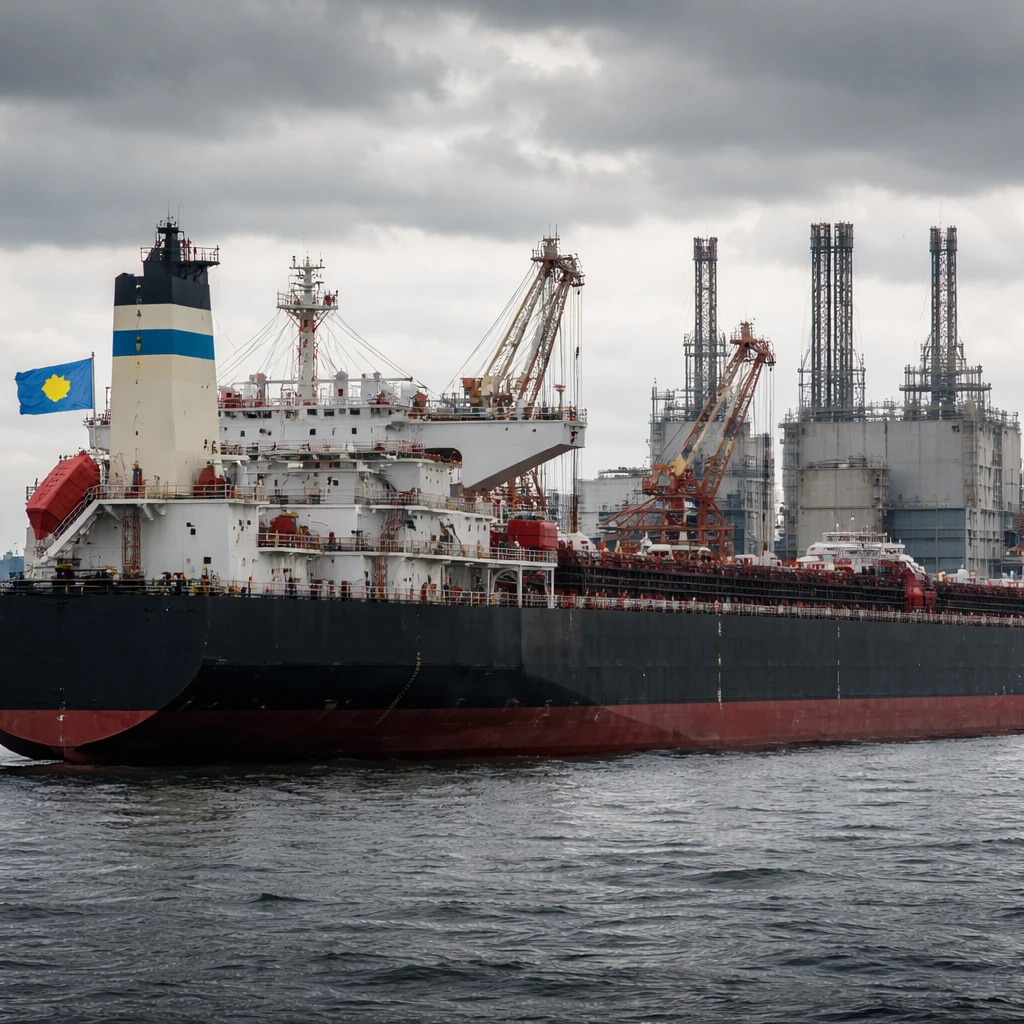
The U.S. Treasury Department's Office of Foreign Assets Control (OFAC) has sanctioned nine vessels and their associated owners or management companies involved in the movement of Iranian oil and petroleum products to international markets. This move coincides with intensified Iranian government suppression of peaceful demonstrations and restrictions on internet access. The Treasury highlights that revenues from these oil shipments, valued at hundreds of millions of dollars, are funneled into activities that support state repression, terrorist groups, and weapons programs rather than benefiting the Iranian populace.

Key Points

  • The U.S. Treasury has sanctioned nine vessels and several companies involved in transporting Iranian oil, aiming to disrupt the regime's funding mechanisms.
  • Sanctions coincide with Iran's ongoing domestic repression, including suppressing peaceful protests and controlling internet access.
  • Revenue from the sanctioned oil shipments, amounting to hundreds of millions of dollars, is believed to be financing Iran’s terrorist proxies, weapons programs, and internal security services.

The U.S. Department of the Treasury's Office of Foreign Assets Control has recently imposed sanctions on nine shipping vessels along with the companies that own or manage them, due to their roles in transporting Iranian oil and petroleum products overseas. This announcement came on a Friday, during a period when the Iranian government has escalated its crackdown on peaceful protestors and implemented internet blackouts to suppress reports of abuses perpetrated against its citizens.

Treasury Secretary Scott Bessent described the Iranian government's current economic conduct as "economic self-immolation," emphasizing that the sanctions specifically target a vital mechanism by which Iran finances its internal repression. According to the Treasury Department, the vessels involved have collectively transported Iranian oil products that generate revenues amounting to hundreds of millions of U.S. dollars. Instead of these funds aiding the Iranian population, they have been diverted to finance terrorist proxies, weapon development programs, and various security services.

The designated vessels include the SEA BIRD, operating under the Palau flag; AVON, flagged by Comoros; AL DIAB II also registered in Palau; CESARIA flagged by Palau; LONGEVITY 7, with an unknown flag state; EASTERN HERO from Palau; AQUA SPIRIT sailing under Panama; and the CHIRON 5 and KEEL, both flagged by Comoros.

In addition to the ships themselves, a range of entities have been designated under Executive Order 13902 due to their involvement in Iran's petroleum sector. These include Horizon Harvest Shipping LLC, Aayat Ship Management Private Limited, Black Stone Oil and Gas, Galeran Service Corp, Longevity Shipping Limited, Odyssey Marine Inc., Benoil Shipping Inc, and Trade Bridge Global Inc.

As a consequence of these designations, all property and interests held by these individuals and organizations within the United States, or controlled by U.S. persons, are frozen and must be reported to OFAC. The sanctions also prohibit U.S. persons from engaging in transactions with the blocked parties, where violations can lead to civil or criminal penalties.

The Treasury Department clarified that the purpose of these sanctions is not punitive but designed to encourage behavioral changes by the Iranian regime.

Risks

  • Continued Iranian government crackdown and the targeted regime behavior may escalate regional geopolitical tensions, indirectly affecting global energy markets.
  • Restrictions on Iranian petroleum transport could impact global oil supply dynamics, potentially influencing prices and energy sector investments.
  • Sanction enforcement requires cautious navigation by shipping and energy companies involved in Middle Eastern trade to avoid penalties.

More from Economy

U.S. and India Reach Trade Agreement; U.S. Tariffs Cut to 18% Feb 2, 2026 House Prepares Vote to End Brief Partial Shutdown, Final Ballot Expected Tuesday Feb 2, 2026 France’s 2026 Budget Clears Parliament After Concessions, Targets 5% Deficit Feb 2, 2026 Cboe Holds Early Talks to Bring Binary Options Back to Retail Traders Feb 2, 2026 Administration to Build $12 Billion Critical Minerals Reserve to Shield U.S. Manufacturing Feb 2, 2026