
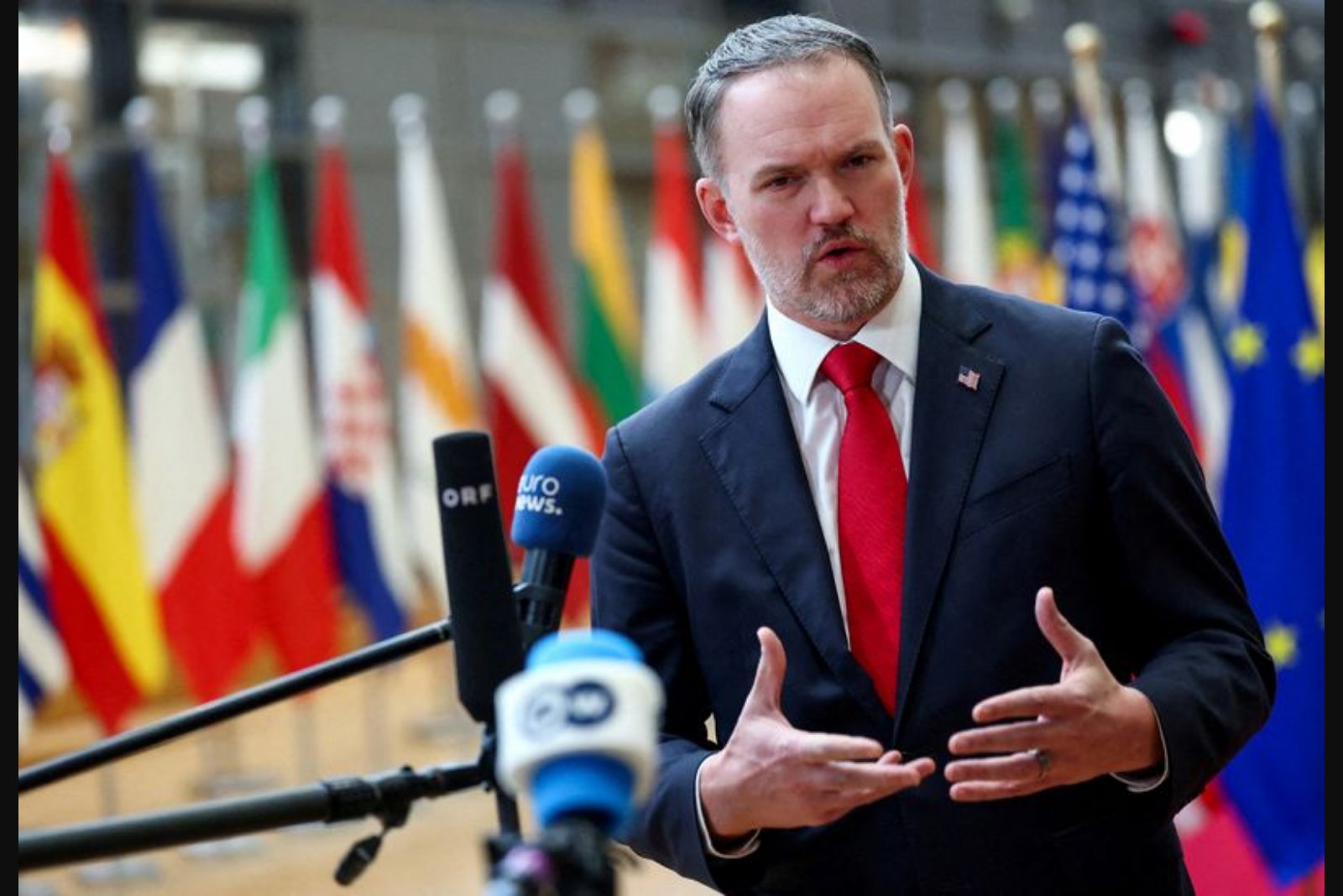
In an on-air interview, U.S. Trade Representative Jamieson Greer said the World Trade Organization is simply not equipped to resolve several of the pressing problems confronting the international trading system, but emphasized that Washington is not prepared to abandon the body.
Asked whether the United States planned to withdraw from the WTO after trade ministers in Yaounde, Cameroon failed to agree on an extension of a moratorium on duties for electronic transmissions and could not advance a package of modest reforms, Greer answered directly: "Well, I wouldn’t say that."
He went on to outline the limits of the WTO’s remit, saying the institution has never been able to address certain structural dimensions of global trade. "The ability of the World Trade Organization to meet the needs of the moment - addressing structural imbalances, currency issues, huge export-driven surplus by other countries - the WTO has never been able to address those things, and it won’t be going forward. It can barely address issues on its current agenda," he said.
Greer also reviewed the U.S. position at the Yaounde ministers meeting, saying the delegation had pressed for reforms that would clarify which countries should qualify for trade benefits intended for developing economies and that would allow nations to adjust tariff levels in defense of core national interests.
On those proposals, Greer said there was near consensus among delegations but that opposition from several states ultimately prevented agreement. He specifically noted that Brazil and Turkey opposed the package, and described that outcome as "kind of 'Exhibit A' that the WTO is unable to address these core challenges."
The interview touched on the future of the WTO's long-standing e-commerce moratorium. The moratorium on customs duties for digital transmissions has lapsed after 28 years - three years less than the WTO's own age - and ministers were expected to resume discussions in Geneva aimed at renewing it.
Greer said late on Monday that if members do not extend the moratorium, the United States will pursue an alternative, plurilateral arrangement with "like-minded" partners to reinstate those protections, framing the move as necessary to preserve U.S. technology innovation.
Implications and context in brief
- The remarks underscore a U.S. view that the WTO does not have the capacity to tackle macro-level trade distortions, while Washington nonetheless intends to remain engaged in the institution.
- The lapse of the e-commerce moratorium and the possibility of a plurilateral alternative point to immediate policy work among countries seeking to safeguard digital trade preferences.
- The failure to secure consensus on modest reform proposals in Yaounde highlights divisions among major trading partners, with potential consequences for trade disciplines and tariff flexibility.