
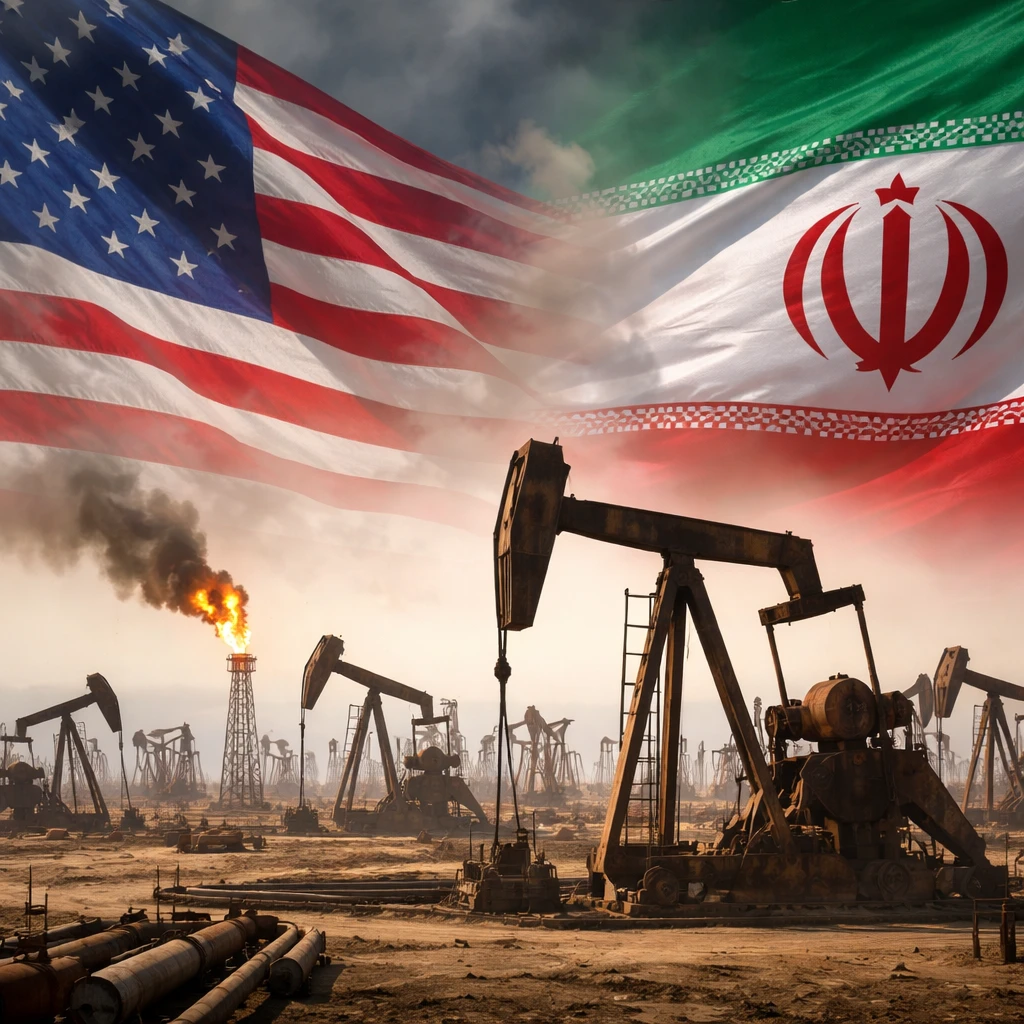
In recent months, Washington has escalated its threats toward senior Iraqi leaders, cautioning that the inclusion of Iran-backed armed groups in Iraq’s next government may trigger sanctions against the nation itself. The U.S. Charges d’Affaires in Baghdad, Joshua Harris, has conveyed these warnings repeatedly, signaling the administration's firm stance on limiting Iranian influence in Iraq.
According to informed sources, potential punitive measures could target Iraq’s critical oil income, which is managed through the Federal Reserve Bank of New York. This consideration marks a significant intensification in pressure, as previous sanctions predominantly focused on individual Iraqi banks believed to facilitate Iran’s evasion of financial restrictions, rather than broad sanctions impacting Iraq’s central banking operations.
Iraq maintains a complex geopolitical relationship, navigating the interests of both the United States and Iran, its key allies. The Trump administration, since assuming power, has pursued a policy agenda aimed at diminishing the Iranian government’s regional power, including restricting its economic leverage in Iraqi territory.
Iran regards Iraq as essential for sustaining its economic resilience amidst international sanctions, utilizing Iraqi financial infrastructures to bypass restrictions. U.S. and Iraqi officials have noted this dynamic, which previous U.S. administrations addressed by placing sanctions on over a dozen Iraqi banks. Nonetheless, the flow of U.S. dollars from the New York Fed to Iraq’s Central Bank has remained largely unimpeded—until now.
Mr. Harris has engaged in extensive dialogue with Iraqi government figures and key Shi’ite leaders, including representatives of Iran-affiliated militias, sometimes through intermediaries, to communicate the ramifications of Iranian influence on Iraq’s sovereignty.