
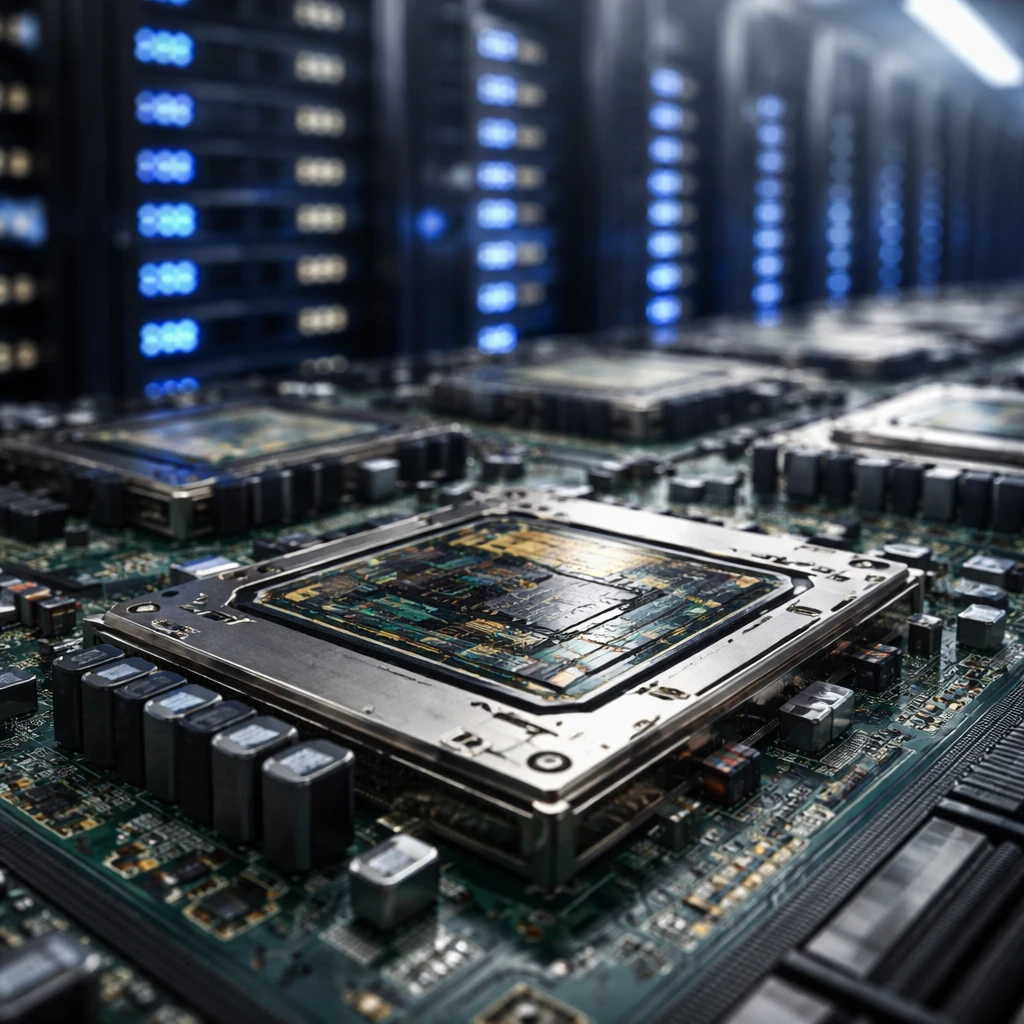
Earlier this month, the U.S. government implemented a 25% tariff on a subset of artificial intelligence chips, specifically naming Nvidia’s H200 AI processor and a competing model from Advanced Micro Devices. The action followed a nine-month review of the semiconductor sector and is intended to encourage increased domestic production of chips rather than continued dependence on foreign manufacturers, especially those based in Taiwan.
Officials subsequently clarified that the tariffs are narrowly targeted. They stated that the duty will not be levied on chips and other hardware brought into the United States for use in domestic data centers - facilities that frequently house the high-end processors used to train and run advanced AI models. The administration also indicated that Commerce Secretary Howard Lutnick will have significant discretion to approve additional exemptions.
The tariff decision comes amid broader trade maneuvers by the president, who has pledged to impose duties on imports of Chinese semiconductors but postponed the imposition of that order until June 2027. The president also previously indicated he would permit Nvidia to export H200 chips to China in return for a share of sales, a proposal that raised questions about potential conflicts with constitutional limits on export tariffs.
Analysts at Wolfe Research framed the administration’s stance as symptomatic of a larger shift: the competition over AI capabilities between the United States and China is increasingly being treated as an issue of national security. In a note, Wolfe analysts including Stephanie Roth pointed to the COVID-19 pandemic as a moment that exposed vulnerabilities in global chip supply chains, reinforcing concerns about continuous access to critical processors.
"Leadership in AI matters for technological leadership, military capability, and economic growth," the analysts wrote. They emphasized that the United States remains the clear leader in training the largest and most capable AI models. At the same time, they said China has progressed through state-directed, capital-intensive measures and has pushed to compete by focusing on efficiency, optimization and the rapid spread of "good-enough" models in environments constrained by hardware.
Those observations underline why policymakers are focusing on onshoring production and restricting certain imports. By selectively targeting high-end AI chips with tariffs while exempting data-center hardware, the administration appears to be balancing industrial policy goals with the operational needs of U.S. technology infrastructure.
At the same time, the combination of tariff actions, delayed broader levies on Chinese semiconductors, and the prospect of administrative exemptions creates an environment of regulatory and legal uncertainty for chipmakers, cloud operators and firms that rely on advanced processors for AI development.
While the long-term impacts of the tariff and related measures will depend on how exemptions are applied and on future policy decisions, the current posture reflects the extent to which AI capability has been elevated in strategic discussions about technology, defense and economic competitiveness.