
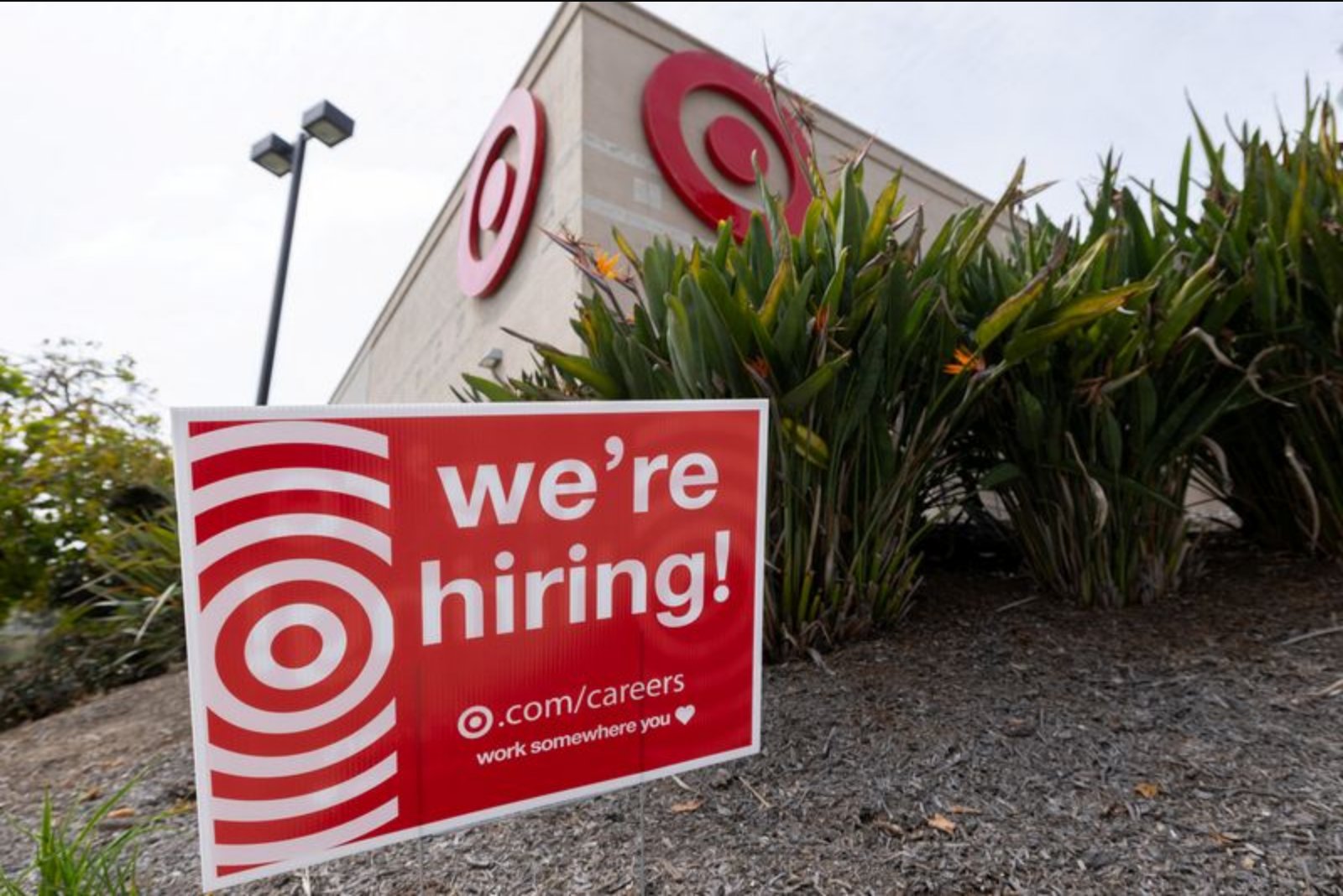
U.S. employment rebounded in March, with nonfarm payrolls rising by 178,000, the Labor Department’s Bureau of Labor Statistics reported. The gain followed a downwardly revised decline of 133,000 jobs in February and came as a strike by healthcare workers concluded and temperatures warmed, encouraging some seasonal and sectoral recovery.
The headline unemployment rate slipped to 4.3% in March from 4.4% in February, according to the BLS report released on Friday. Economists surveyed by Reuters had expected payrolls to increase by 60,000 after a previously reported 92,000 decline in February; private estimates for March ranged from a loss of 25,000 positions to a gain of 125,000 jobs.
The labor market is operating amid a string of uncertainties. Policy moves and global events have introduced fresh frictions for businesses, workers and consumers. Earlier tensions over import duties pursued by the administration gave way to a ruling by the U.S. Supreme Court in February that struck down those duties. The administration then responded by imposing a global tariff for up to 150 days.
Labor demand indicators have shown signs of softening. Data from the BLS this week indicated that job openings fell by the most in nearly one-and-a-half years in February, a signal of easing demand from employers. That weakening in openings came before a new source of uncertainty emerged at the end of February, when the U.S. and Israel launched strikes against Iran.
The conflict, now in its second month, has had clear market effects. Global oil prices surged by more than 50%, contributing to higher domestic gasoline costs. The national average retail price for a gallon of regular gasoline topped $4 this week for the first time in more than three years. Those fuel price moves are expected to feed through to higher inflation and to blunt households’ purchasing power, reducing some of the real gains from wage growth and weighing on consumer spending.
Economists have flagged the war as an additional layer of uncertainty for businesses and hiring prospects, and some expect its effects on the labor market to show up in coming employment reports - potentially as soon as April. The conflict also coincided with an equity market reaction: roughly $3.2 trillion was wiped off the stock market in March, according to the figures cited in the report. On Wednesday, the administration vowed more aggressive strikes on Iran.
Other domestic policy actions have also been cited as contributing to labor market paralysis. The administration’s mass deportation efforts were identified by economists as reducing labor supply, an effect that can ultimately dampen demand for goods, services and employees. With labor supply growth at historically low levels, economists estimated that fewer than 50,000 jobs per month are now required to keep pace with growth in the working-age population; some estimates have placed the break-even rate at zero or even negative.
Financial sector forecasters have urged caution on interpreting monthly payroll volatility. Economists at JPMorgan warned that negative payroll readings in any given month will become more common and observed that even if job growth is sufficient to stabilize the unemployment rate, negative payroll readings could occur at least a third of the time.
Policymakers at the Federal Reserve have already factored in much of this uncertainty. The Fed left its benchmark overnight interest rate unchanged last month in a 3.50% to 3.75% range. Given the ongoing supply chain disruptions tied to the conflict and other pressures, analysts said March’s employment figures were unlikely to alter the near-term interest rate outlook. As a result, the odds of a rate cut this year have diminished substantially.
In sum, March’s payroll report reflected a return to job growth after a sharp February downward revision, but the broader trajectory for hiring remains subject to significant downside risks from geopolitical conflict, higher energy prices, trade policy changes and immigration enforcement effects. These factors are expected to influence inflation dynamics, household spending and employer hiring decisions in the months ahead.
Summary
Nonfarm payrolls increased by 178,000 in March, reversing a revised February drop of 133,000 and lowering the unemployment rate to 4.3% from 4.4%. The rebound was aided by the end of a healthcare strike and warmer weather. However, a second-month conflict with Iran, which has driven oil prices up more than 50% and pushed gasoline above $4 a gallon, alongside tariff shifts and mass deportations, has added mounting downside risks to the labor market, inflation and spending. The Federal Reserve left interest rates at 3.50% to 3.75%, and the likelihood of a rate cut this year has diminished.
Key points
- March payrolls rose by 178,000 after February was revised to a 133,000 drop; unemployment fell to 4.3% from 4.4%.
- Job openings fell by the most in nearly 1-1/2 years in February, suggesting easing labor demand.
- Geopolitical conflict with Iran pushed global oil prices up more than 50% and helped lift U.S. gasoline prices above $4 a gallon, with implications for inflation, household purchasing power and spending.
Risks and uncertainties
- Ongoing war with Iran: economists expect the conflict to weigh on hiring and could show effects in upcoming employment reports; this impacts energy markets, inflation and consumer spending.
- Policy-driven and structural labor supply constraints: mass deportations and historically low labor supply growth mean fewer jobs are needed to keep pace with working-age population growth, complicating payroll readings and hiring outlooks.
- Market and interest rate impacts: supply chain disruptions and rising energy costs have diminished the odds of a Fed rate cut this year and contributed to volatility in equities.