
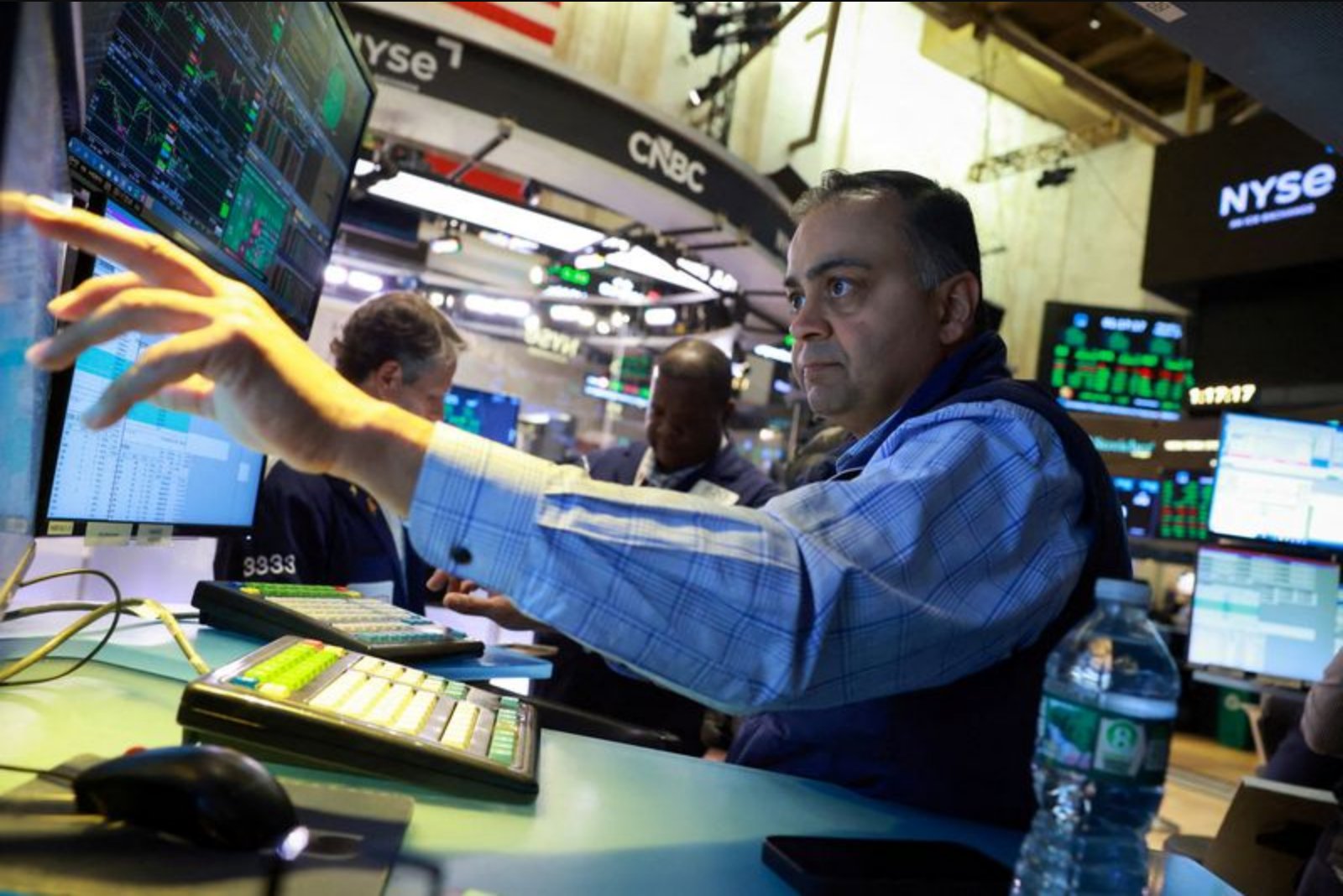
March 27 - U.S. stock index futures were largely muted on Friday as investors processed news that a deadline for strikes on Iran’s energy infrastructure had been extended. President Donald Trump said he would again give Iran more time to reopen the Strait of Hormuz or risk the destruction of its energy plants, after Tehran had earlier rejected a 15-point U.S. proposal intended to end the fighting.
That additional pause provided only limited solace to markets. Oil prices climbed once more and government bonds weakened as investors continued to doubt that the two sides will reach an agreement. The S&P 500 and the Nasdaq were both on pace for a fifth consecutive week of declines as the month-long Iran war continued. The Dow, by contrast, was set to post weekly gains.
On Thursday trading, both the S&P 500 and the Dow finished more than 1% lower, while the Nasdaq closed more than 10% beneath its record high, a drop that confirmed the index had entered correction territory.
"Words alone aren’t cutting it right now, with President Trump’s extension of the pause on Iran energy strikes failing to lift the mood in any meaningful way. Tangible evidence of progress is what’s needed," said Matt Britzman, senior equity analyst at Hargreaves Lansdown.
Early premarket futures pointed to little directional change. At 05:33 a.m. ET, Dow E-minis were up 6 points, or 0.01%; S&P 500 E-minis were up 5.5 points, or 0.08%; and Nasdaq 100 E-minis were up 11.5 points, or 0.05%.
Market participants flagged the spike in oil prices tied to the conflict as a renewed driver of inflation concerns, a development that complicates the path for interest-rate cuts by central banks. Money markets had been pricing in two Federal Reserve rate cuts before the war began; following the escalation and the recent price moves, participants are no longer pricing in any easing from the Fed this year, according to CME’s FedWatch Group.
Investors were also focused on incoming data and central bank commentary. Market attention was set on the final reading of the University of Michigan’s sentiment survey for March and on remarks from regional Federal Reserve presidents Thomas Barkin, Mary Daly and Anna Paulson.
In individual stock action, Unity Software shares jumped roughly 15% in premarket trading. The video game software company reported preliminary first-quarter revenue that exceeded analysts’ expectations.
The limited market reaction to the deadline extension underscored persistent investor skepticism about a swift resolution to hostilities and the economic fallout from higher energy prices. With equities struggling, bonds sliding and oil on the rise, investors appeared to be pricing in greater uncertainty around inflation and central bank policy than immediately improved geopolitical prospects suggest.