
Washington, May 11 - The U.S. government on Monday imposed sanctions on three individuals and nine corporate entities for their alleged roles in enabling shipments of Iranian oil to China. The Treasury Department, acting through the Office of Foreign Assets Control (OFAC), said the designated persons and firms assisted Iran's Islamic Revolutionary Guard Corps in selling and transporting oil using a chain of front companies based in permissive economic jurisdictions.
OFAC's latest actions target nine companies - four of which are located in Hong Kong, four in the United Arab Emirates and one in Oman - along with three named individuals. The designations are the latest in a sequence of measures from Washington intended to curtail revenue streams the U.S. says finance Tehran's military and other activities.
These sanctions come on the heels of measures announced on the prior Friday that targeted people and companies accused of supporting Iranian purchases of weapons and of procuring components used to manufacture drones and ballistic missiles. Together, the moves reflect a stepped-up effort by the Treasury to disrupt financial and commercial networks the U.S. views as supporting Iran's defence and weapons capabilities.
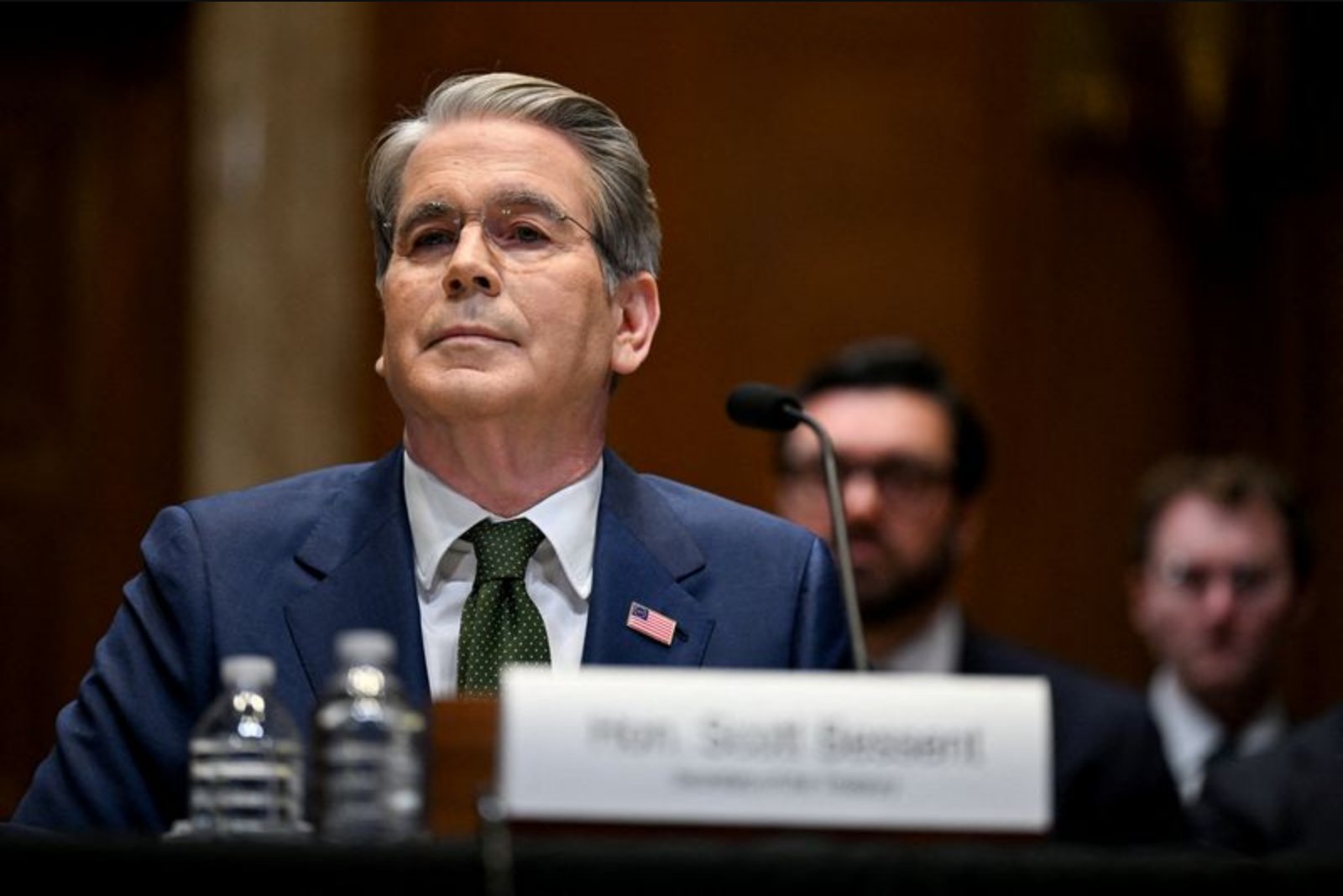
Treasury Secretary Scott Bessent commented on the new sanctions, saying the Trump administration would sustain pressure on Tehran to deny the Iranian government and military funds for weapons, its nuclear program or support for regional proxies. "Treasury will continue to cut the Iranian regime off from the financial networks it uses to carry out terrorist acts and to destabilize the global economy," Bessent said.
The timing of the designations also coincides with an impending diplomatic encounter: the actions occur days before a planned meeting between U.S. President Donald Trump and Chinese President Xi Jinping. U.S. officials have indicated the president is expected to press Xi to assist in resolving the standoff with Iran and to help reopen the strategically important Strait of Hormuz.
In announcing the designations, OFAC emphasized the use of front companies and permissive jurisdictions as tools allegedly employed to mask the origin and movement of Iranian crude bound for China. The Treasury framed the measures as part of a sustained campaign to sever financial conduits that the U.S. government contends support Iran's capacity to fund weapons, destabilizing actions, and parts of its nuclear and military procurement efforts.
Context
- The new designations were issued by the U.S. Treasury's Office of Foreign Assets Control.
- They target three individuals and nine companies linked to oil shipments from Iran to China; the companies are located in Hong Kong (4), the United Arab Emirates (4) and Oman (1).
- The measures follow sanctions announced the previous Friday on parties accused of aiding Iranian purchases of weapons and components used to make drones and ballistic missiles.