
U.S. Energy Secretary Chris Wright said the recent jump in oil prices stems largely from market anxiety tied to the conflict involving the United States, Israel and Iran, and he expects that premium to fade as disruptions abate.
Speaking on CNN's State of the Union on Sunday, Wright described the recent price strength as temporary and rooted in a risk-driven markup rather than a current shortage of supply. "The oil is there," he said. "You're seeing a little bit of fear premium in the marketplace. But the world is not short of oil today or natural gas."
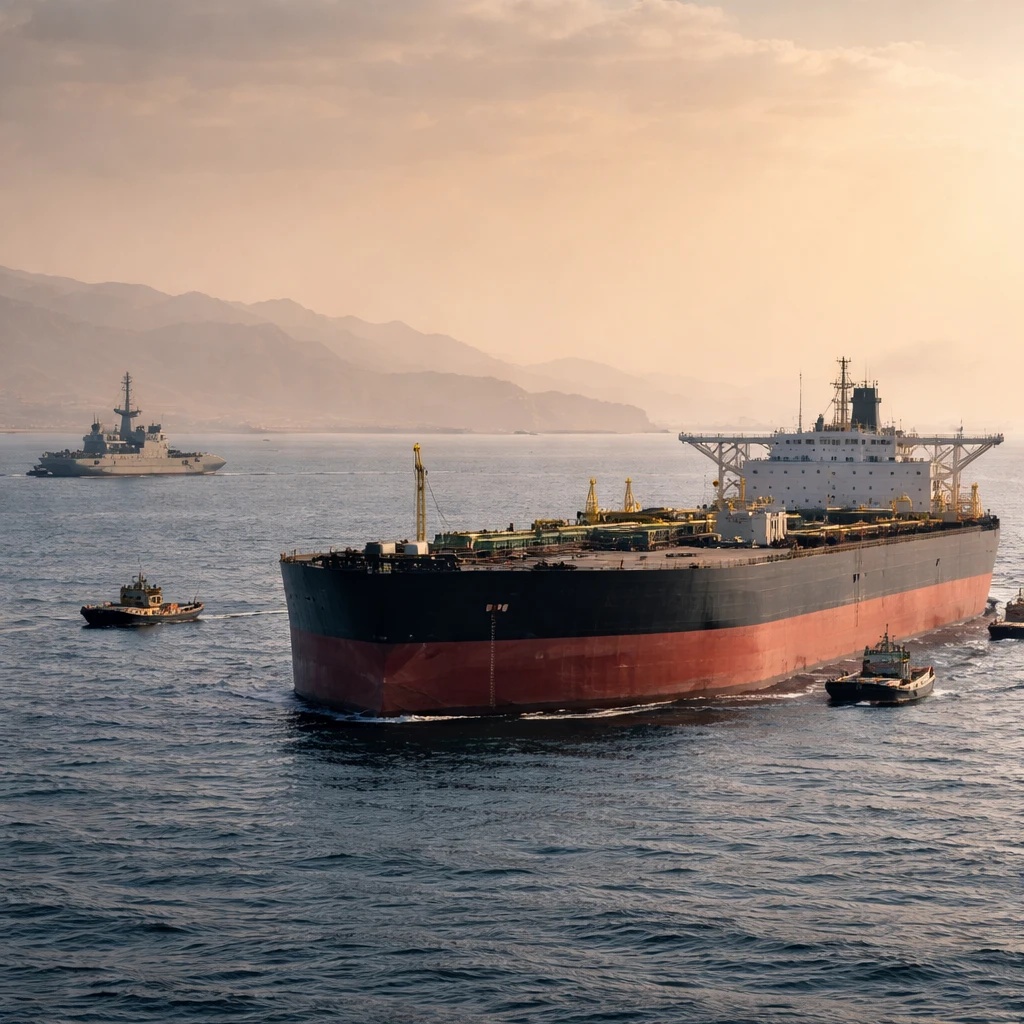
The secretary framed the current dislocations in energy and shipping as transitory. He noted that tanker traffic through the Strait of Hormuz - a critical chokepoint for global energy shipments - has been materially disrupted and that traffic is not yet operating at normal levels. "We're nowhere near normal traffic right now," Wright said, adding that the interruption should take time to resolve but that, in the worst-case scenario, the delay would be measured in weeks rather than months. "And you know in that that'll take some time. But again, worst case, that's a few weeks, that's not months."
Transit through the Strait of Hormuz has largely stalled for several days, with only Iran-linked tankers recorded crossing the waterway in the past 24 hours. That interruption in tanker movements has already shown up in U.S. retail fuel costs. Data from the American Automobile Association indicate the national average price for regular gasoline has risen nearly 16% in the past week to about $3.45 per gallon.
Wright said the administration expects gasoline prices to retreat once shipping flows normalize. "We want it back below $3 a gallon, and it will be again before too long," he said.
On policy efforts to restore tanker traffic, the administration has announced a $20 billion reinsurance program and has discussed the possibility of U.S. Navy escorts to aid movement through the Gulf. Wright said that, for now, U.S. efforts remain focused on military operations rather than expanded escort missions.
He also addressed targeting of energy infrastructure, stressing there are no U.S. plans to strike Iran's oil or natural gas sectors. "There are no plans to target Iran's oil industry, their natural gas industry, or anything about their energy industry," Wright said, and he noted that recent attacks on fuel depots were carried out by Israel.
Context and market reaction
Oil prices have rallied amid concerns over the conflict and the disruptions to tanker traffic through a key international route. Market participants have priced in an elevated risk premium as shipping flows remain constrained, while U.S. authorities and market observers monitor the situation for signs of normalization.
Wright's comments attempt to distinguish between price movements prompted by near-term geopolitical risk and fundamental supply shortages, asserting that current global supplies of oil and natural gas remain sufficient despite the disruption to shipping lanes.