
U.S. consumer inflation picked up steam again in April as higher energy costs related to the war with Iran and rising food prices spread through households' bills, the Labor Department reported. The Consumer Price Index climbed 0.6% in April following a 0.9% surge in March, producing the strongest year-on-year uptick in inflation in three years.
The monthly 0.6% reading matched the median forecast in a Reuters poll of economists, which ranged from a 0.4% gain to a 0.9% rise. On an annual basis, the CPI increased 3.8% in the 12 months through April, accelerating from a 3.3% gain in March.
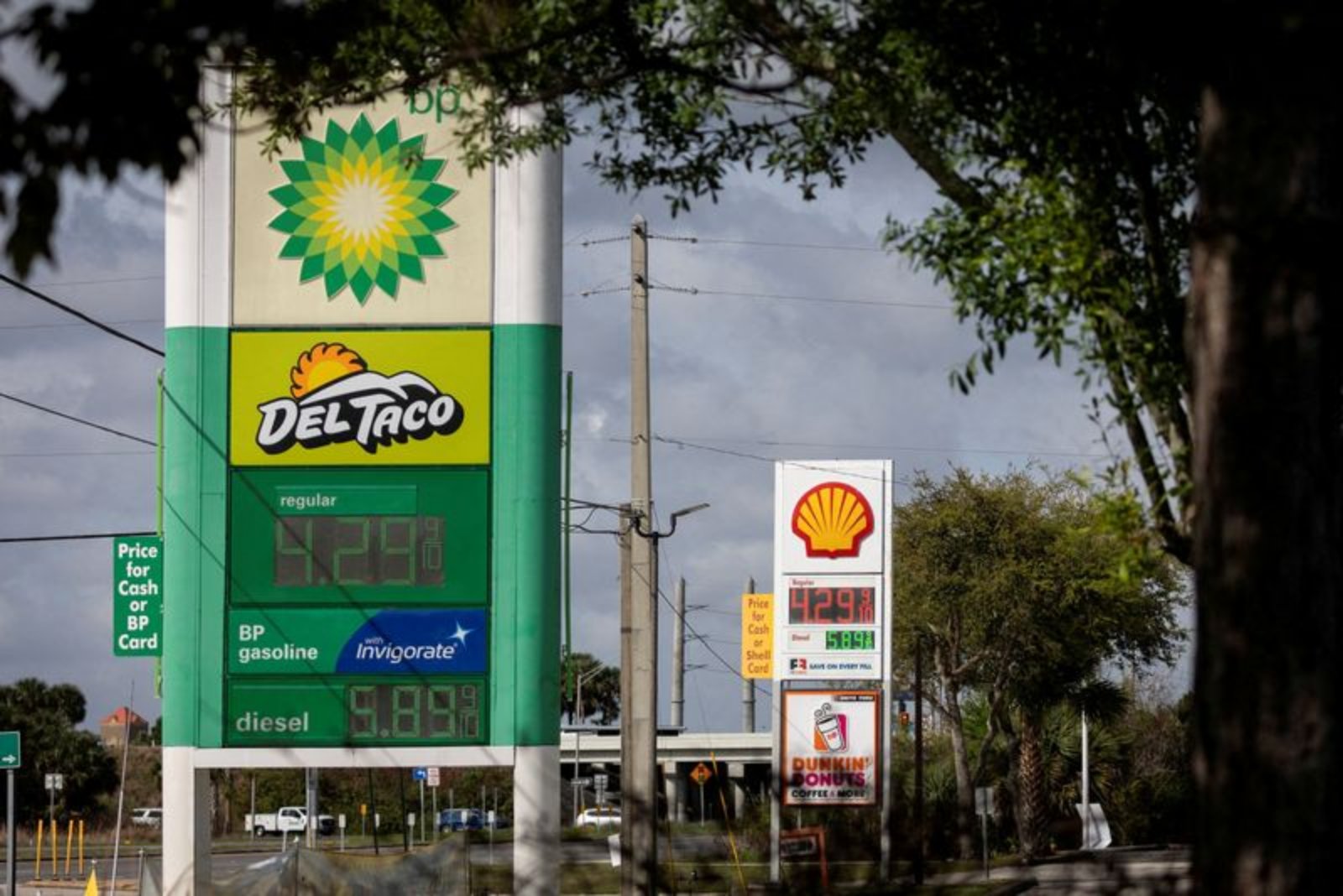
Energy costs were a central factor in the April increase. Energy prices rose 3.8% for the month and accounted for more than 40% of the CPI's advance, after a 10.9% jump in March. Gasoline prices increased 5.4% and fuel oil climbed 5.8%. Consumers also faced higher electricity bills. The spike in oil prices in March - when crude traded above $100 per barrel following strikes against Iran by the U.S. and Israel - was followed by a partial retreat after a ceasefire in early April, but energy costs remained elevated and continued to feed into consumer prices.
Food prices accelerated as well, with the overall food index up 0.5% after being unchanged in March. Grocery store inflation rose 0.7%, propelled by a 2.7% jump in beef prices. Fruits and vegetables were 1.8% more expensive, nonalcoholic beverages rose 1.1%, and there were strong increases in dairy and egg prices.
Excluding the volatile food and energy components - the so-called core CPI - consumer prices rose 0.4% in April. That monthly gain was the largest since January 2025 and reflected, in part, a one-time adjustment to rent measures. Last year’s federal government shutdown prevented the Bureau of Labor Statistics from collecting part of its rent data, which led the agency to use a carry-forward imputation method for rent and owners' equivalent of rent. That approach had artificially lowered rent indexes, and the correction contributed to April’s stronger core reading. Core CPI rose 2.8% year-on-year in April, up from a 2.6% annual increase in March.
Within the shelter category, rent of shelter increased 0.6% in April after a 0.3% gain in March. Owners’ equivalent of rent climbed 0.5%. High jet fuel prices pushed airline fares 2.8% higher. Apparel and footwear posted notable increases, while household furnishings and operations rose 0.7% for the month.
The stronger inflation prints come on the heels of labor market data showing a larger-than-expected increase in nonfarm payrolls for April. Together with April’s CPI report, the recent data have strengthened economists’ expectations that the Federal Reserve will maintain its benchmark policy rate in a range of 3.50% to 3.75% through 2027. The central bank left that rate target unchanged last month.
Market reactions were immediate: U.S. stocks opened lower, the dollar strengthened versus a basket of currencies, and Treasury yields moved higher following the CPI release.
Analysts flagged the potential for ongoing price pressure as hostilities in the Middle East persist. "With no clear end to hostilities in sight, the primary catalysts for the increase in inflation - energy, oil, gasoline, transportation, and food - are all poised to jump higher in coming months as global supplies grow tight and supply chain stress rises," said Joseph Brusuelas, chief economist at RSM.
The inflation picture also carries political weight. President Donald Trump, who campaigned on lowering inflation and won re-election in 2024 in part because of that pledge, faces increased political risk as voters express dissatisfaction with his handling of economic conditions. Many Americans have blamed him for higher gasoline prices, and the pressure of rising living costs could weigh on middle-class and lower-income households.
Heather Long, chief economist at Navy Federal Credit Union, summarized the strain: "There is a real financial squeeze underway. For the first time in three years, inflation is eating up all wage gains. This is a setback for middle-class and lower-income households and they know it." The combination of elevated inflation and wage pressures underscores the squeeze on household budgets.
Other policy and legal developments also intersected with inflation dynamics. The U.S. Supreme Court struck down certain duties in February, lowering the effective tariff rate, which some economists had expected to ease pass-through effects from earlier tariffs. Nevertheless, price gains across a wide range of categories persisted in April.
Summary
- The Consumer Price Index rose 0.6% in April after a 0.9% increase in March, lifting annual CPI to 3.8% - the largest 12-month gain in three years.
- Energy surged 3.8% in April and accounted for over 40% of the monthly CPI increase; food prices also accelerated with grocery inflation up 0.7%.
- Core CPI, which excludes food and energy, advanced 0.4% for the month and 2.8% year-on-year, partly reflecting an adjustment to rent measures after missing data from a prior government shutdown.
Key points
- Energy sector - Higher crude and refined-fuel prices were a dominant force in April’s CPI, affecting transportation costs and household energy bills.
- Consumer staples - Rising grocery prices, especially for beef, dairy and produce, elevated household food spending and pressured real incomes.
- Financial markets and policy - Stronger inflation and robust payrolls increased expectations that the Federal Reserve will keep interest rates steady in the 3.50% to 3.75% range into 2027, influencing equities, the dollar, and Treasury yields.
Risks and uncertainties
- Geopolitical escalation - Continued hostilities in the Middle East could further tighten global energy supplies and push fuel-related prices higher, with direct effects on transportation and household energy costs.
- Supply chain stress - As global supplies grow tight, pass-through to consumer prices may intensify across energy, transportation, and food sectors, amplifying inflationary pressure.
- Data limitations - Adjustments to rent measures following missing BLS data introduce uncertainty into core inflation readings and could affect near-term interpretations of shelter inflation trends.
For readers tracking market and policy responses, April’s CPI reinforces the link between elevated energy and food costs, broader consumer-price trends, and decisions by monetary authorities. The pickup in inflation adds to political scrutiny over economic stewardship and highlights ongoing vulnerability for households facing faster-rising prices.