
Economy March 24, 2026

U.S. and Regional Envoys Weigh Iran Summit as Soon as Thursday, Awaiting Tehran's Answer

Mediators including Pakistan, Egypt and Turkey say they have relayed proposals as U.S. and Iranian responses remain uncertain

By Priya Menon
U.S. and Regional Envoys Weigh Iran Summit as Soon as Thursday, Awaiting Tehran's Answer

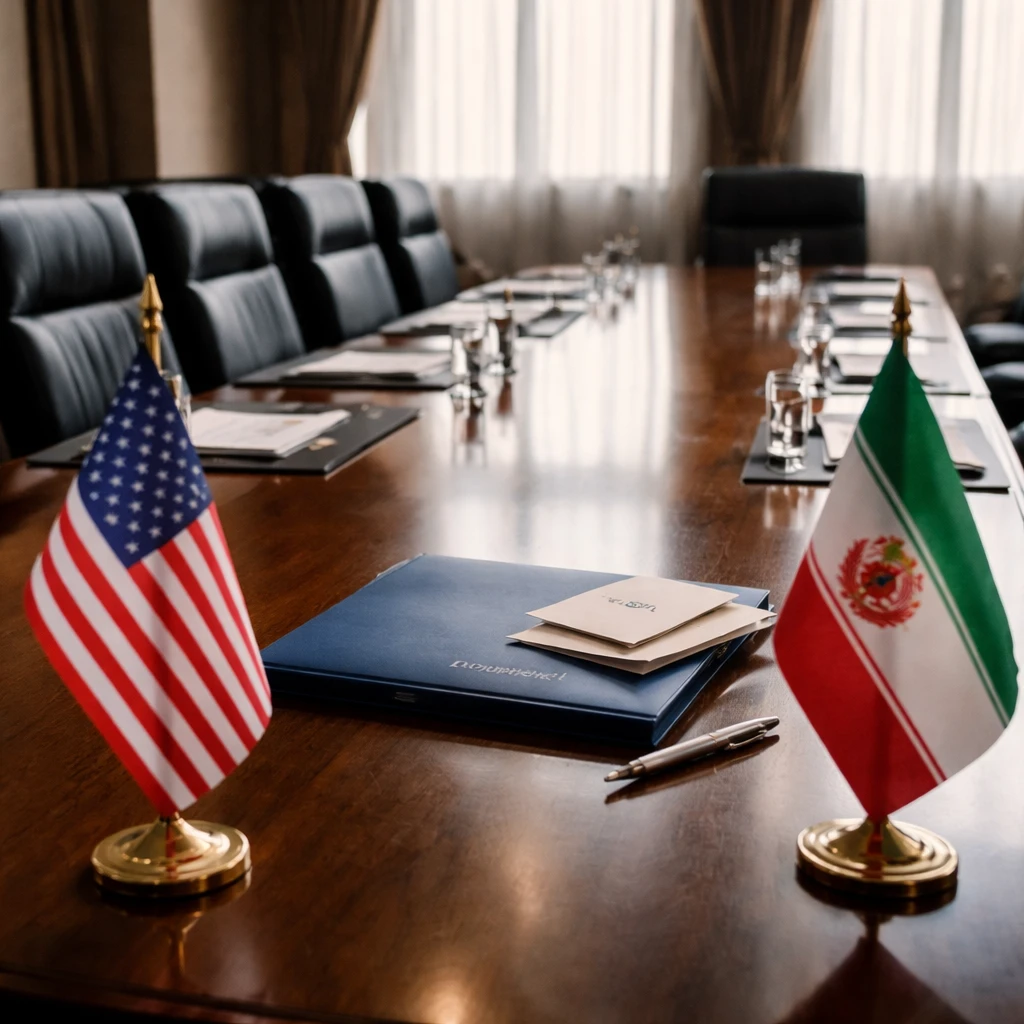
U.S. and regional mediators have been discussing a high-level meeting with Iranian officials that could be scheduled as soon as Thursday, though organizers say they are waiting for Tehran to respond. Pakistan, Egypt and Turkey have acted as message carriers between Washington and Tehran; Pakistan has offered to host if both sides agree. Iranian officials deny reports of secret talks while acknowledging receipt of U.S. messages and proposals. U.S. sources describe internal disarray within the Iranian government, and it remains unclear whether planned engagement will proceed.

Key Points

  • U.S. and regional mediators have discussed a high-level meeting with Iran that could take place as soon as Thursday, pending Tehran's reply; this involves Pakistan, Egypt and Turkey acting as intermediaries.
  • Pakistan said it is prepared and honored to host talks if both Washington and Tehran consent; the Pakistani statement was shared on Truth Social by Trump.
  • Iranian officials deny claims of secret negotiations while confirming they have received U.S. messages and proposals; U.S. sources report Iran's government is experiencing internal communication problems.

Senior U.S. officials and regional mediators have been in talks about convening a high-level meeting with Iran potentially as early as Thursday, though those efforts are contingent on a response from Tehran, according to two sources with direct knowledge of the discussions.

Officials involved in the back-and-forth say mediating countries - notably Pakistan, along with Egypt and Turkey - have been relaying communications between Washington and Tehran. Pakistan publicly said it "stands ready and honored" to host talks if both the United States and Iran agree to meet. That Pakistani message was shared by Trump on his Truth Social platform.

At the same time, Iranian officials have publicly rejected assertions that secret negotiations are underway, while confirming that they have received messages and proposals from the United States. The apparent tension between denial of clandestine talks and acknowledgment of received outreach underscores the uncertainty surrounding any imminent diplomatic engagement.

If a summit does move forward, planners say Vice President Vance is likely to play a role in the event. One source familiar with the situation cautioned that it remains uncertain whether there will be substantive material for U.S. representatives to engage with, noting, "But it’s not clear if there is anything to be involved in. Everyone is trying to figure out if it’s real."

U.S. officials involved in the exchanges describe Iran's governing apparatus as chaotic and say that internal communication within Tehran is proving difficult. That assessment is presented by U.S. sources as a factor complicating the ability to secure a timely and definitive Iranian answer.

For now, the sequence of message-passing by third-party states and the mixed signals from Iranian authorities leave the prospect of a Thursday meeting unresolved. Mediators and U.S. officials continue to await clarity from Tehran before setting any formal schedule or confirming who will participate.


Brief analysis

The situation remains fluid: offers of mediation and hosting have been made public, communications have been exchanged, and U.S. officials report organizational challenges within Iran. Whether outreach develops into an actual summit depends on Tehran's internal decision-making and its response to the proposals transmitted through regional intermediaries.

Risks

  • Uncertainty over whether Tehran will respond or authorize participation creates diplomatic risk and could prolong regional tensions - relevant to defense and geopolitical risk assessments.
  • Reported internal disarray within Iran may impede timely decision-making, complicating scheduling and execution of talks - affecting markets sensitive to geopolitical shocks such as energy and defense sectors.
  • Mixed public messaging from involved parties increases the risk that planned engagement may not materialize, leaving mediators and markets without clarity on diplomatic progress.

More from Economy

Trump Says Iran Delivered Large Energy Concession as Talks Continue Mar 24, 2026 Minnesota Sues Federal Agencies to Gain Access to Evidence in Three Shootings During Immigration Enforcement Actions Mar 24, 2026 Brazilian Supreme Court Orders Jair Bolsonaro into Temporary House Arrest on Medical Grounds Mar 24, 2026 Dimon Says Iran Conflict Raises Short-Term Risks but Could Open Door to Lasting Middle East Peace Mar 24, 2026 NASA Says It Has the Funds to Build New Lunar Base, Administrator Asserts Mar 24, 2026