
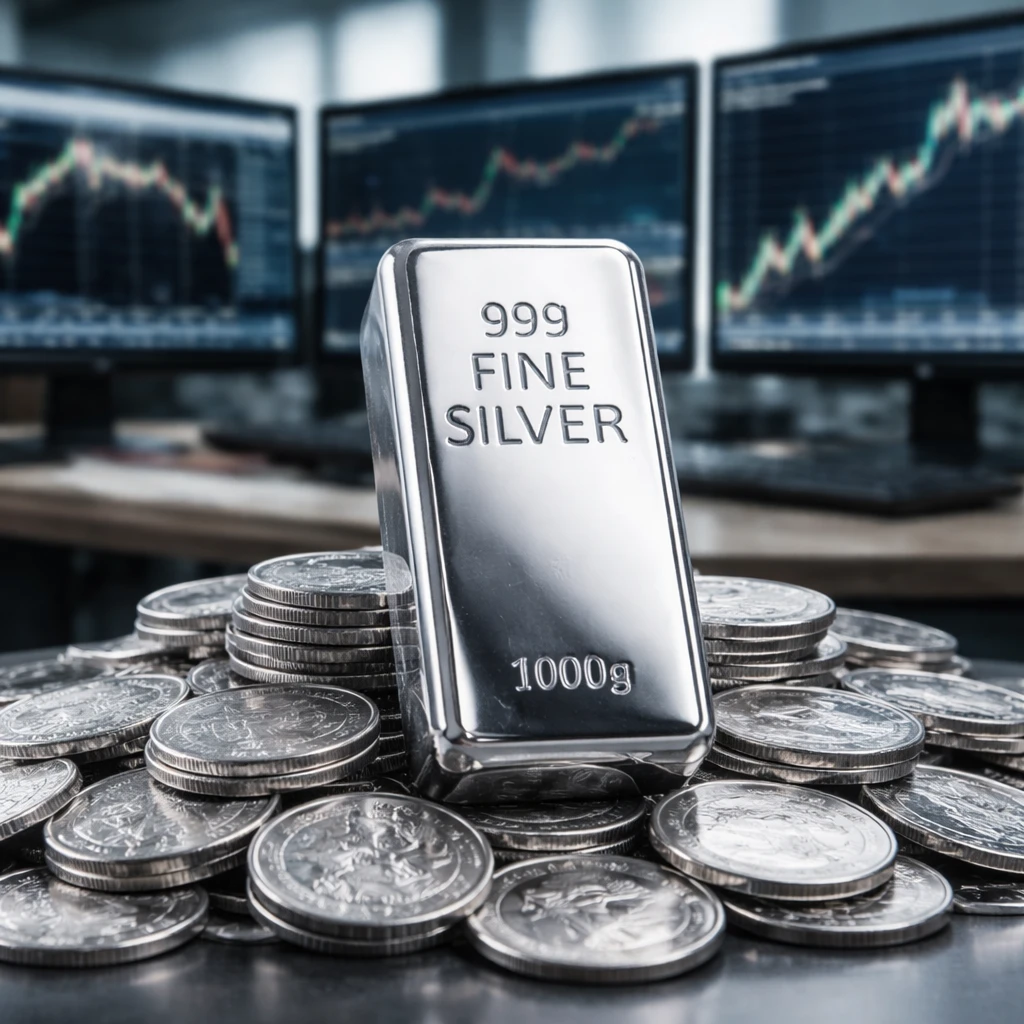
Silver has reached an unprecedented milestone, climbing above $100 an ounce for the first time ever. This surge has been propelled by investors seeking refuge in safe-haven assets amid global geopolitical unrest and expectations of easing U.S. monetary policy. The metal’s price soared by 147% last year, driven by heightened investment interest, ongoing difficulties in expanding refining capacity, and a persistent market supply deficit.
Understanding silver’s trade process is essential for investors keen to navigate this dynamic market.
Over-The-Counter Market
London stands as the principal marketplace for physical precious metals, including silver and gold. Here, banks and brokers execute buying and selling orders from international clients. This trading is conducted bilaterally over-the-counter (OTC) among financial institutions, where access requires an established relationship with participating banks or brokers.
The OTC market’s foundation is physical bullion bars stored securely in vaults belonging to major banks such as JPMorgan and HSBC. By the end of December 2025, London’s vaults held approximately 27,818 tons of silver, underscoring the scale of physical holdings underpinning these transactions.
Futures Exchanges
Silver also trades robustly on futures markets, with prominent exchanges including the Shanghai Futures Exchange and the COMEX division of the CME Group in New York. Futures represent contracts where sellers agree to deliver silver at a future date. Trading is typically facilitated through brokerage services.
Most futures contracts are not taken to physical delivery but are rolled over or exchanged for contracts with later settlement dates. This mechanism allows market participants to speculate on price movements without the logistical challenges of metal storage and transport. Additionally, futures trading requires only a margin payment, a fraction of the metal’s total value, enabling leverage.
Exchange-Traded Funds (ETFs)
ETFs provide another avenue for silver investment, trading on stock exchanges such as the New York Stock Exchange and London Stock Exchange alongside conventional company shares. These funds hold physical silver in vaults on behalf of investors, with each ETF share representing a quantifiable amount of silver.
Retail investors can access ETF shares effortlessly through online trading platforms like Robinhood. If an ETF’s share price rises above the intrinsic value of held silver due to demand, the fund can acquire additional silver to issue new shares, thus realigning prices with the market value of the metal. The largest ETF in this segment is the iShares Silver Trust managed by BlackRock, which holds roughly 529 million ounces of silver valued at approximately $52.9 billion at prevailing prices.
Physical Bars and Coins
For smaller investors, silver is accessible through purchasing physical bars and coins from distributors and retailers worldwide. This method allows direct ownership of tangible assets but requires consideration of storage and security.
Shares in Silver Mining Companies
Investing in publicly traded companies engaged in silver mining is another popular vehicle. These stocks, readily tradable on platforms like Robinhood, tend to correlate with silver prices but are also influenced by company-specific elements such as management quality, debt levels, and operational performance.