
Economy February 8, 2026

Ukraine Targets Foreign Suppliers of Missile and Drone Components with New Sanctions

Presidential decrees name companies in China, the former Soviet Union, UAE and Panama as Kyiv moves to cut off parts used in attacks amid intensified Russian strikes

By Leila Farooq
Ukraine Targets Foreign Suppliers of Missile and Drone Components with New Sanctions

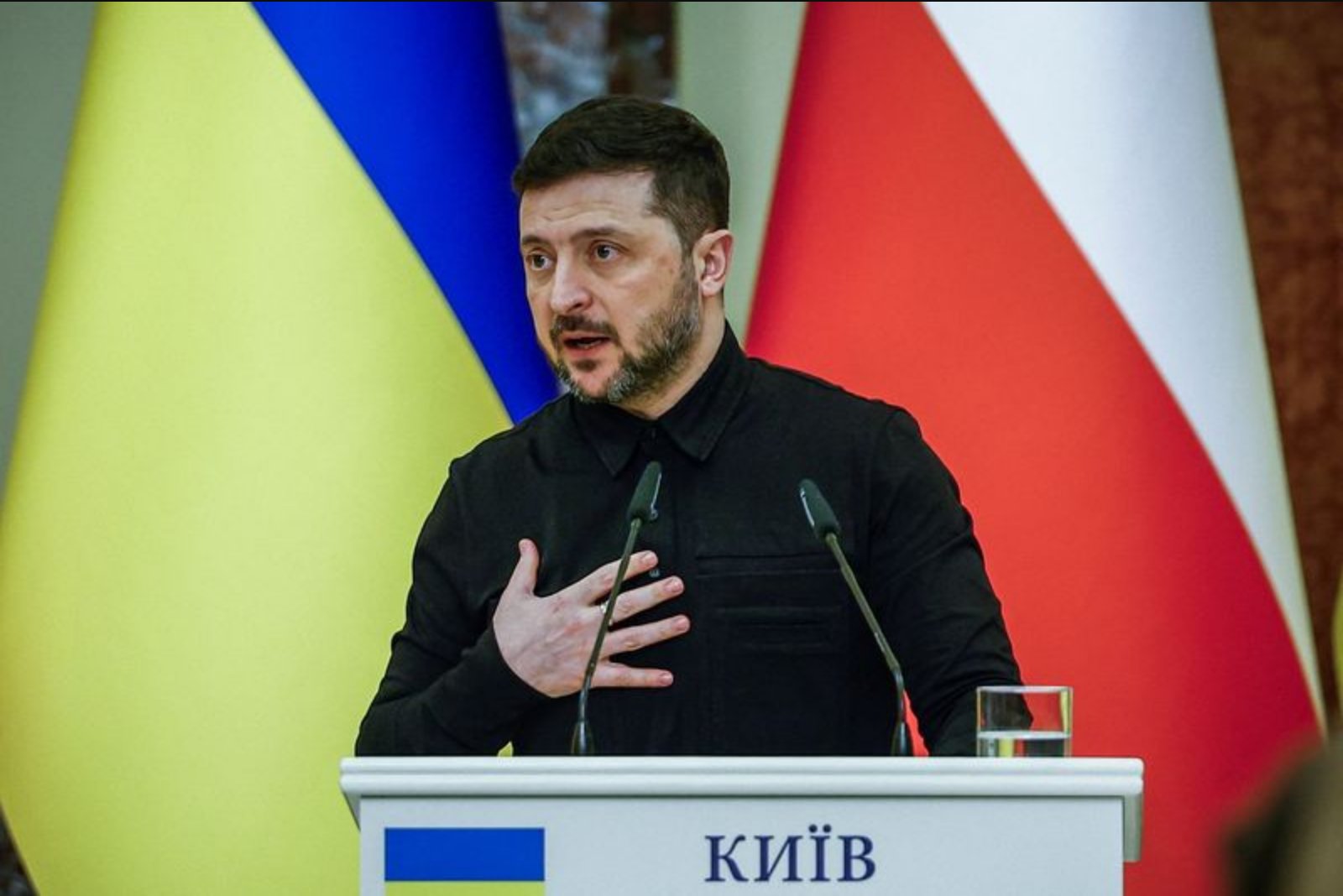
President Volodymyr Zelenskiy announced sanctions on foreign manufacturers supplying critical components for Russian missiles and drones, signing decrees that single out firms in China, former Soviet states, the United Arab Emirates and Panama. The measures also extend to Russian financial entities and organizations linked to the crypto market and mining operations, as Kyiv faces an intensified campaign of aerial attacks that has left wide areas without power and heating.

Key Points

  • Sanctions target foreign component suppliers and weapon manufacturers, including firms in China, the former Soviet Union, the UAE and Panama.
  • Russian attacks have escalated recently - over the past week Russia launched more than 2,000 attack drones, 1,200 guided aerial bombs, and 116 missiles, according to Zelenskiy.
  • Energy and logistics sectors are primary targets of strikes, leading to widespread power outages and heating losses, including blackouts in Kyiv lasting up to 20 hours.

Ukrainian President Volodymyr Zelenskiy said on Sunday that he has imposed sanctions on certain foreign manufacturers that supply components used in Russian drones and missiles deployed against Ukraine. In a post on X, Zelenskiy said that producing this weaponry would be impossible without critical foreign components, which the Russians continue to obtain by circumventing sanctions.

"We are introducing new sanctions precisely against such companies - component suppliers, as well as missile and drone manufacturers. I have signed the relevant decisions," he wrote on X.

Two decrees published by the Ukrainian presidency identify targets of the sanctions that include several Chinese companies and firms based in countries of the former Soviet Union, the United Arab Emirates and Panama. The decrees, as described by the presidency, focus specifically on entities involved in supplying parts and on the manufacturers of the weapons themselves.

The announcement comes as Kyiv reports a sharp rise in the scale and frequency of Russian missile and drone strikes over recent months despite negotiations aimed at ending the four-year war. Zelenskiy said on X that in the past week Russia launched more than 2,000 attack drones, 1,200 guided aerial bombs, and 116 missiles of various types at Ukraine’s cities and villages.

Attacks have concentrated on the energy and logistics sectors, with strikes on power stations and substations cutting electricity and heating to whole regions. Kyiv has reported blackouts in the capital lasting up to 20 hours, and officials have pointed to the damage at energy infrastructure as a principal cause of prolonged outages.

In addition to the measures targeting component suppliers and weapon makers, Zelenskiy said he had imposed sanctions against elements of the Russian financial sector and on bodies that support Russia’s crypto market and mining operations.


Summary

Kyiv has enacted sanctions against foreign companies identified as suppliers of components used in Russian drones and missiles, along with punitive steps against parts of Russia’s financial and crypto-supporting infrastructure, as intensified strikes damage energy and logistics targets and cause widespread power outages.

Risks

  • Continued high-volume missile and drone strikes create sustained disruptions in the energy sector and civilian infrastructure, affecting electricity and heating supplies (energy sector, utilities).
  • Sanctions on foreign suppliers and manufacturers add uncertainty to international supply chains for dual-use components, with potential ripple effects for defense-related industries and trade partners (defense, manufacturing, trade).
  • Measures against parts of the Russian financial sector and organizations linked to crypto markets and mining operations introduce risks of financial market friction and operational impacts on crypto-related activities (financial sector, crypto markets).

More from Economy

Barclays Says Private Credit Strains Fall Short of a 2008-Style Crisis Mar 22, 2026 Persistent Middle East conflict and energy shock weigh on fragile equities rally Mar 22, 2026 Israel Orders Destruction of Bridges Over Litani River, Increases Home Demolitions Near Lebanon Border Mar 22, 2026 Paper Wealth Favors Eurozone, Financial Wealth Tilts Toward U.S., UBS Says Mar 22, 2026 China Pledges Greater Market Access and More Balanced Trade After Record Surplus Mar 22, 2026