
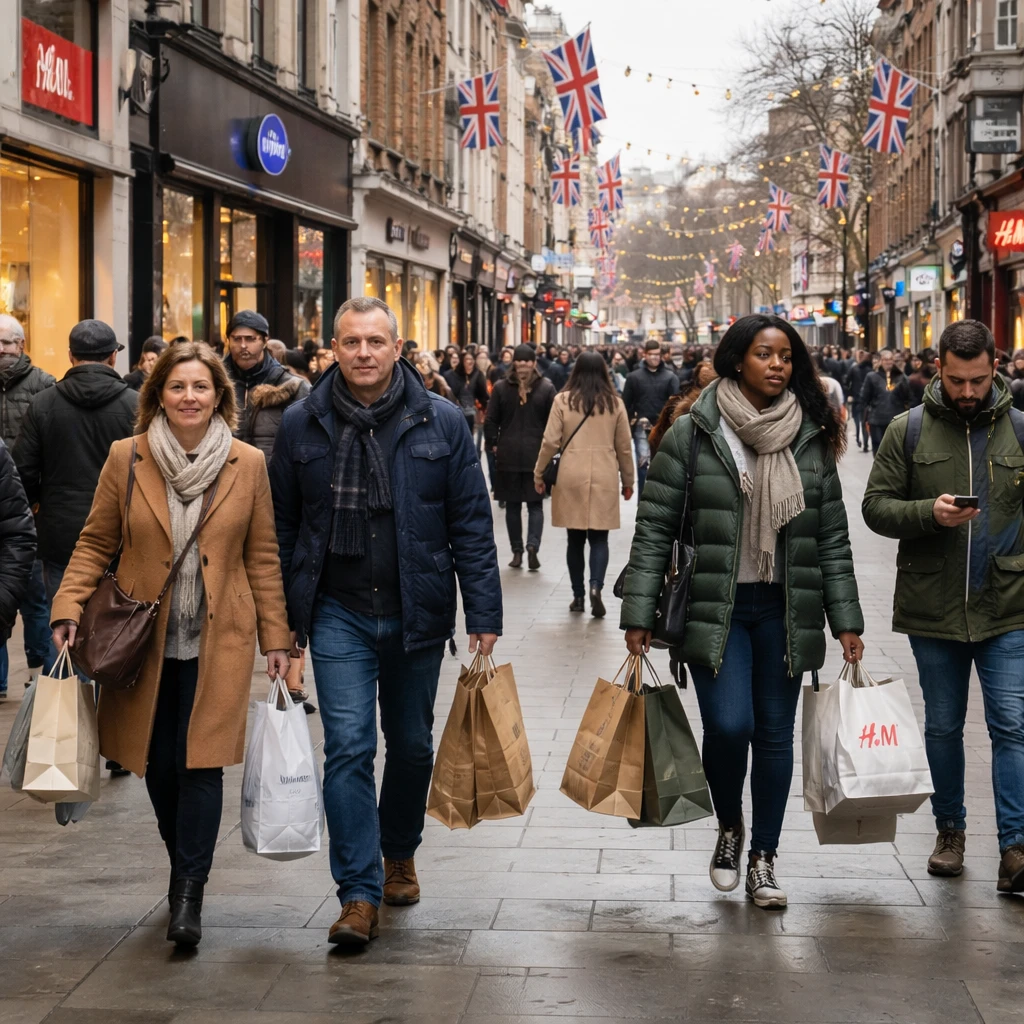
Consumer confidence among British households experienced a slight increase in January, rising to its highest point since August 2024, as households reported improved perceptions of their own financial health. However, doubts about the broader economic environment continued to weigh on overall sentiment, according to the latest data released by market research company GfK.
The GfK consumer confidence index in January registered at -16, representing a one-point increase over December's figure. This uptick aligns closely with forecasts gathered from economists in a Reuters poll. Despite this rise, the index remains firmly in negative territory, underscoring ongoing caution.
GfK noted that this monthly survey, the longest-running measure of British consumer morale, has not posted a positive reading since about ten years ago when Britain was on the cusp of voting to leave the European Union. The current results indicate a nuanced picture, with three out of five sub-categories within the confidence index showing declines in January.
Neil Bellamy, GfK's director of consumer insights, commented, "Consumers continue to concentrate on factors within their immediate control, such as their spending patterns and savings behavior, whereas lackluster confidence persists in regard to the broader economic landscape." He further illustrated the mood by comparing the UK economy to, "an untethered boat drifting slowly out to sea," capturing consumer sentiment of uncertainty.
Breaking down the index components, the segment measuring expectations for the UK's economy over the next year fell two points to -31, indicating growing pessimism. Conversely, the outlook on personal financial changes for the coming year improved by four points to a positive six, reflecting increased individual optimism.
This survey comes amid a sluggish economic growth phase for Britain, with inflation registering an increase last month for the first time since July, alongside a slowdown in wage growth. Bank of England Governor Andrew Bailey has projected that inflation rates may return close to the Bank's 2% target by April or May.
Additionally, official figures expected later indicate a 0.1% contraction in retail sales during December, potentially signaling softening consumer expenditure.
The findings derive from responses from 2,002 individuals surveyed between January 2 and January 15, providing a comprehensive snapshot of consumer mindset at the start of the year.