
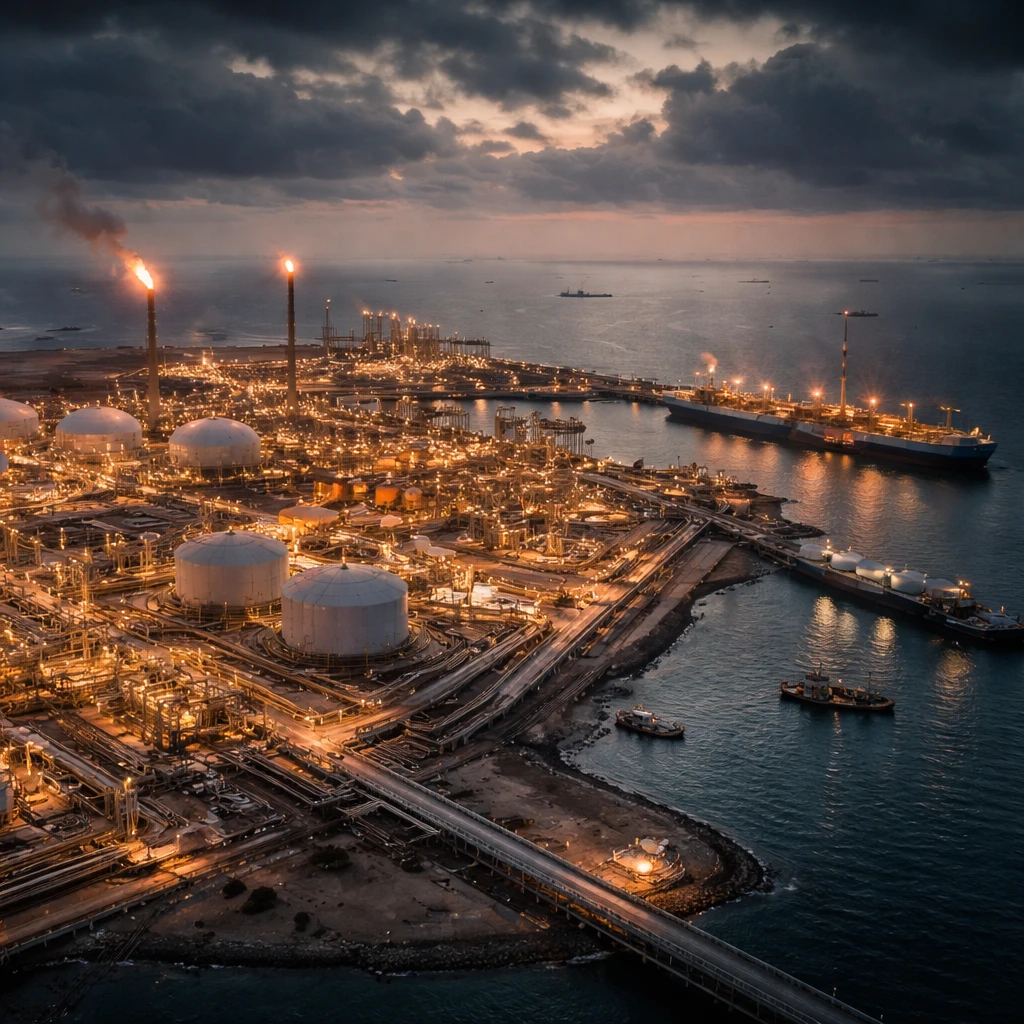
The United Arab Emirates has brought its largest natural gas processing plant back into operation after it was taken offline following an attack last week, a Bloomberg report early Monday said. The plant, described as supplying a substantial portion of the country's natural gas needs, had been shut in after the incident and has now been restarted.
The restart occurs against a backdrop of persistent security threats to energy infrastructure throughout the Persian Gulf. Attacks on facilities in the region have raised concerns among producers and market observers, with the disruption to the UAE plant joining a string of recent incidents affecting energy flows.
Separately, the UAE's sole operating LNG production facility at Das Island in the Persian Gulf is reported to be functioning at very low levels. A person familiar with the situation, who requested anonymity because the information is sensitive, said the Das Island plant is constrained by the inability to export through the Strait of Hormuz. That facility has a nameplate capacity of 6 million tons per year, the person said, and has not been fully shut down so it can be restarted quickly once the strait reopens. The source did not provide specific figures for the plant's current operating rate.
Energy assets across the Persian Gulf have been targeted in the course of an escalating Iran war. The conflict has forced some major oil producers to reduce output and has led to refinery shutdowns. In addition, the article notes extensive damage to the world's largest LNG export plant in Qatar as part of the wider disruption to regional energy infrastructure.
Attention has centered on a 48-hour deadline issued by US President Donald Trump for Iran to open the Strait of Hormuz or face strikes on power stations. Iranian authorities have indicated they would retaliate by targeting assets across the region in response, according to reporting in the piece. The situation leaves export routes and processing and export facilities under acute operational risk as regional tensions persist.
Summary
The UAE has restarted its biggest natural gas processing plant after a shutdown caused by an attack last week, while its Das Island LNG plant remains at very low production levels because exports through the Strait of Hormuz are blocked. The wider Persian Gulf region continues to face security-driven disruptions to energy output and infrastructure.
Key Points
- The UAE resumed operations at its largest natural gas processing plant following an attack that forced a shutdown last week.
- Das Island's 6 million-ton-a-year LNG facility is running at very low levels due to inability to export through the Strait of Hormuz; it has not been fully halted to allow a quick restart when exports resume.
- Regional energy infrastructure has been under attack amid an escalating Iran war, leading to reduced oil output, refinery closures and significant damage to major LNG export capacity in Qatar.
Risks and Uncertainties
- Ongoing security threats to energy infrastructure in the Persian Gulf create continued operational risk for gas processing and LNG facilities - sectors affected include energy production and export logistics.
- Closure of export routes through the Strait of Hormuz is constraining LNG exports and forcing plants to operate at reduced rates, impacting LNG supply chains and related market activity.
- Escalatory military or retaliatory actions tied to the stated 48-hour ultimatum and threats of strikes could further disrupt oil and gas output and refinery operations across the region.