
Economy March 31, 2026

UAE Readies to Back Coalition Effort to Reopen Strait of Hormuz, Officials Say

Emirati diplomats pressing for U.N. authorization as regional closure drives oil prices higher and strains Gulf exporters

By Leila Farooq
UAE Readies to Back Coalition Effort to Reopen Strait of Hormuz, Officials Say

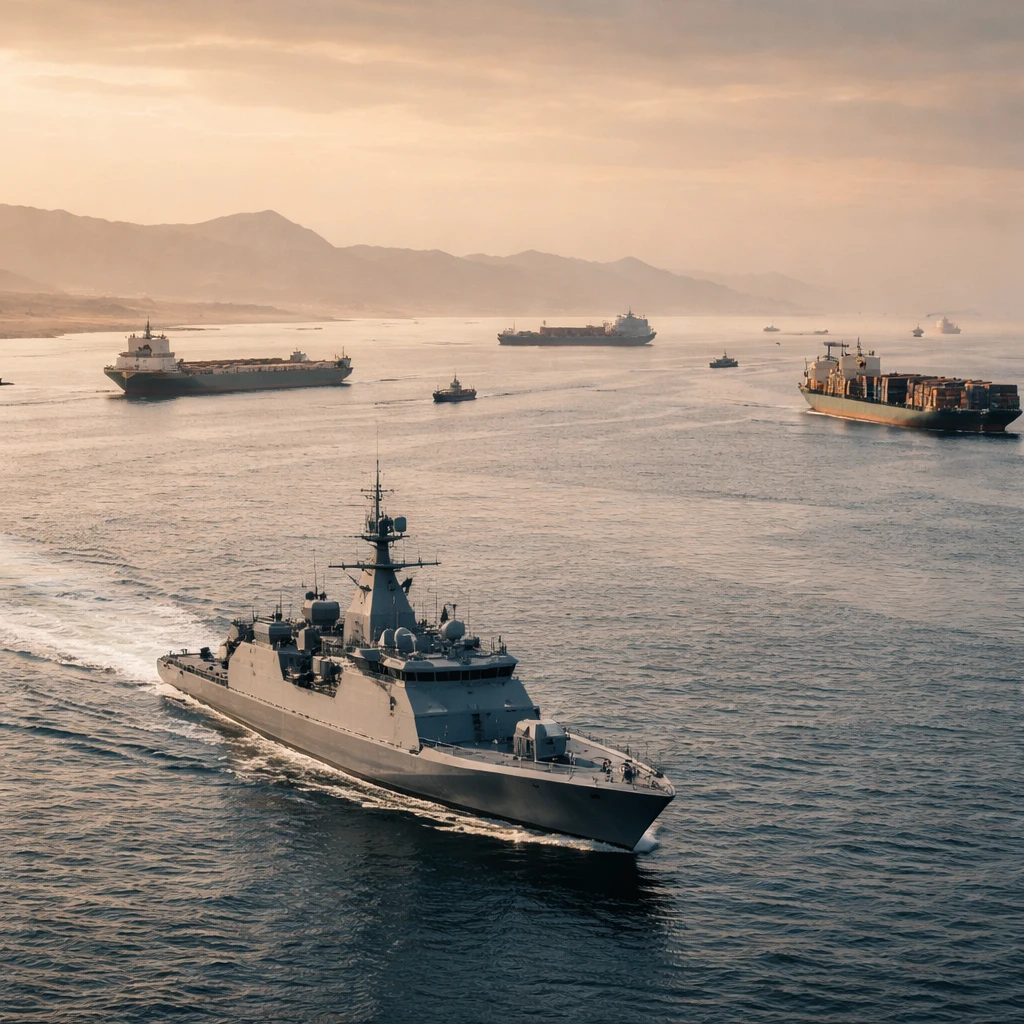
Arab officials say the United Arab Emirates is preparing to support U.S. and allied efforts to reopen the Strait of Hormuz by force and is seeking a U.N. Security Council resolution to authorize such an operation. Emirati diplomats are reported to be urging American, European and Asian partners to form a coalition to restore passage as Tehran has effectively blocked the channel in response to recent hostilities.

Key Points

  • UAE is preparing to assist U.S. and allied efforts to reopen the Strait of Hormuz and is reportedly pushing for a U.N. Security Council resolution to authorize such an operation - sectors impacted: energy, shipping, geopolitics.
  • Emirati diplomats are urging American, European and Asian partners to form a coalition to restore transit through Hormuz - sectors impacted: defense contracting, naval operations, international diplomacy.
  • Closure of the strait has contributed to a record monthly gain in oil prices in March and poses a major economic headwind to Gulf countries that ship oil and gas through the channel - sectors impacted: oil & gas, regional economies, commodities markets.

Arab officials say the United Arab Emirates is preparing to assist the United States and its partners in reopening the Strait of Hormuz by force, and is lobbying for international backing to authorize such an operation.

According to accounts attributed to Arab officials, Emirati diplomats have been pressing for a U.N. Security Council resolution that would provide legal cover for a coalition to clear the waterway. Diplomats are said to be encouraging American, European and Asian allies to join in a coordinated effort to restore maritime traffic through the strait.

The diplomatic push follows comments from U.S. President Donald Trump indicating that he plans to wind down military operations against Iran in the coming weeks. President Trump also signaled he was open to leaving the Strait of Hormuz closed, directing allies to either source oil from the United States or take action themselves to reopen the channel.

The Strait of Hormuz has become a focal point in the conflict with Iran after Tehran effectively blocked the passage in response to U.S. and Israeli hostilities over the past month. The channel is a critical artery for global energy flows, supplying roughly 20% of the world’s oil consumption, a concentration that gives the strait outsized influence on energy markets.

Closure of the strait has already imposed a significant economic strain on Gulf exporters that rely on the channel to move oil and gas. Oil markets reacted sharply: prices posted a record monthly gain in March amid the disruption to shipments through Hormuz.

With Emirati diplomats reportedly seeking a U.N. mandate and urging coalition formation, the outcome remains uncertain. The combination of a potential international operation and simultaneous signals from the U.S. administration about reducing military engagement creates a complicated diplomatic and operational backdrop for any effort to reopen the waterway.


Summary

The UAE is preparing to help reopen the Strait of Hormuz by force and is advocating for a U.N. Security Council resolution to authorize a coalition operation. Tehran has effectively blocked the strait in response to recent hostilities, prompting higher oil prices and economic pressure on Gulf exporters.

Risks

  • The Strait of Hormuz could remain closed if reopening efforts fail or if regional hostilities continue, maintaining pressure on oil supply and pricing - impacts oil & gas and commodities markets.
  • Shifts in U.S. military posture, including signals that operations against Iran will be wound down, create uncertainty about the timing and scope of any coalition action to reopen the strait - impacts defense policy and coalition planning.
  • Efforts to secure a U.N. Security Council resolution may not produce immediate authorization, leaving a gap between diplomatic initiatives and operational capability to restore shipping - impacts international diplomacy and maritime security.

More from Economy

China's Manufacturing Expands in March but Inflationary Pressures Mount, Private PMI Shows Mar 31, 2026 South Korea's Manufacturing Activity Posts Strongest Expansion in Over Four Years, PMI Shows Mar 31, 2026 IMF staff-level accords would unlock $216 million for Papua New Guinea pending approval Mar 31, 2026 CFTC Enforcement to Target Insider Trading in Prediction Markets and Energy Market Manipulation Mar 31, 2026 UK low-pay advisers flag roughly 3.7% minimum wage increase for 2027 Mar 31, 2026