
Sultan Al Jaber, chief executive officer of Abu Dhabi National Oil Co., said the Strait of Hormuz remains closed because of Iranian restrictions that are blocking energy flows to global markets.
In a LinkedIn post, Al Jaber rejected Tehran's condition that transits be supervised, calling such terms unacceptable. "Conditional passage is not passage. It is control by another name," he wrote. He added that "The Strait must be open - fully, unconditionally and without restriction."
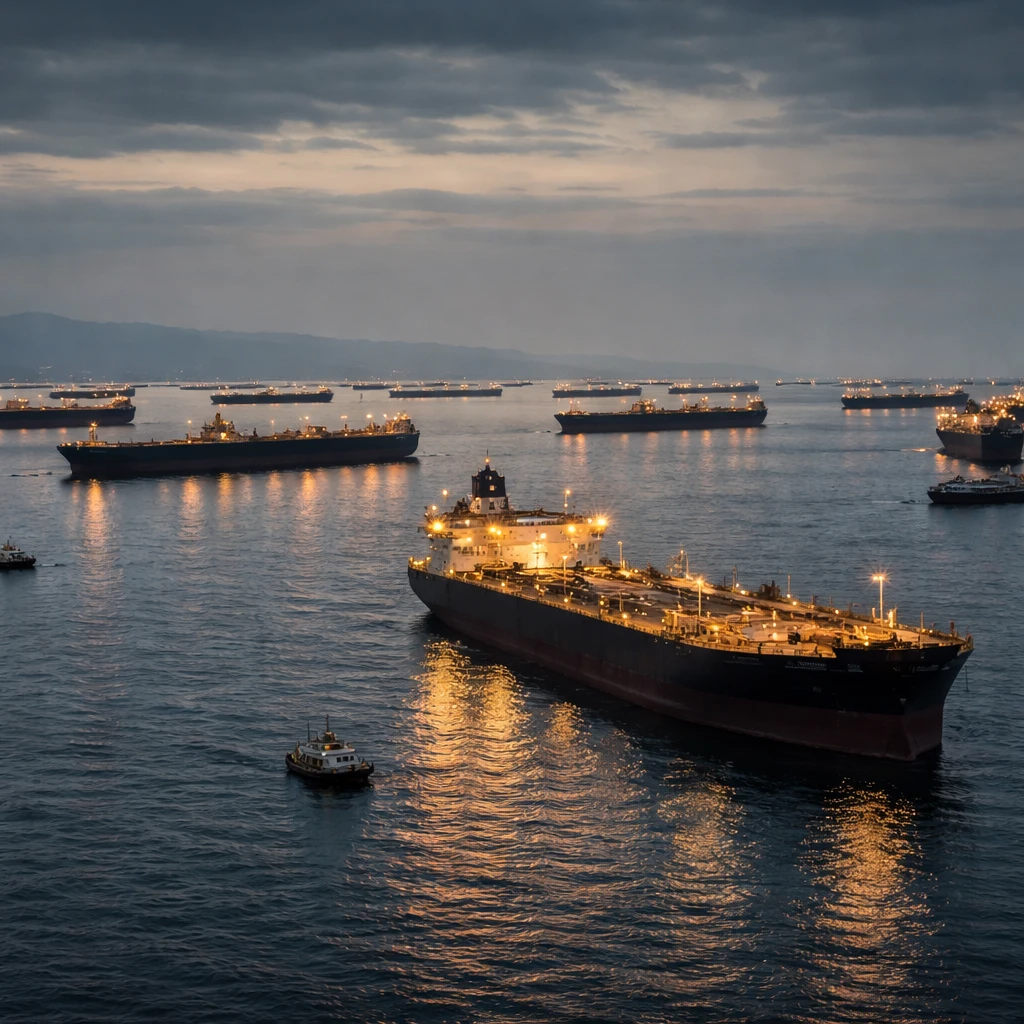
Al Jaber reported that about 230 vessels carrying oil are currently ready to depart. He said ADNOC has loaded cargoes and continues to plan for production increases where possible, while acknowledging constraints arising from damage to company infrastructure sustained during the war.
The waterway has been largely shut since the Iran war began at the end of February, according to Al Jaber. He previously described Iran's obstruction of the strait as economic terrorism.
Separately, Iran's Ports and Maritime Organization announced on Thursday two designated safe routes for vessels entering and exiting the Strait of Hormuz, a move reported by state-run Nour News. The routes were established to reduce the risk posed by the potential presence of sea mines in the area.
The closure of the strait has prompted producers across the United Arab Emirates and other Gulf states to shut in output of oil, gas and refined products. That pullback in supply contributed to a spike in oil prices above $100 a barrel, and prices have remained near that level after a tentative ceasefire that had been expected to include reopening the waterway.
With exports constrained and a significant number of laden tankers waiting for passage, the situation underscores ongoing disruption to shipping and energy flows originating in the Gulf. ADNOC's statement highlights both the operational impact on a major national oil company and the broader market effects tied to constrained transit through a strategic chokepoint.