
Sultan Ahmed Al Jaber, chief executive of state-owned Abu Dhabi National Oil Company (ADNOC), described Iran's recent attacks on vessels in the Strait of Hormuz as an act of "economic terrorism against every nation" in a video message to industry leaders at S&P Global's CERAWeek conference on Monday. Al Jaber had been scheduled to attend the event in person but withdrew due to the ongoing war.
In his remarks, Al Jaber framed the situation as an unacceptable weaponization of the maritime corridor that underpins global energy flows. "It is economic terrorism against every nation, and no country should be allowed to hold Hormuz hostage - not now, not ever," he said.
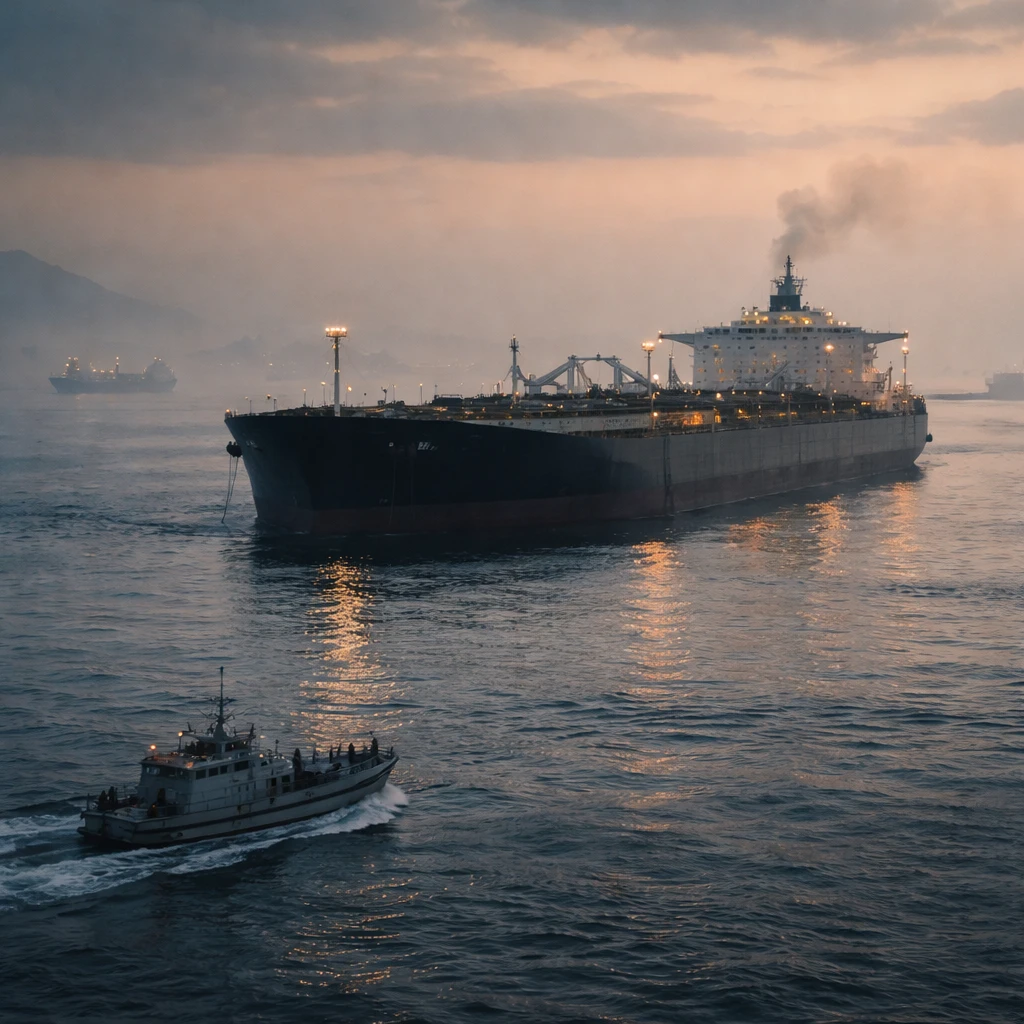
The Strait of Hormuz is a critical chokepoint for energy shipments. Before the war, roughly 20% of the world's oil and liquefied natural gas supplies passed through the narrow channel on their way to global markets. According to the account given at the conference, tanker traffic has effectively stalled as a result of Iran's attacks on ships operating in the Persian Gulf.
Al Jaber characterized the problem primarily as a security challenge rather than a purely commercial supply issue, and argued that the durable remedy is to ensure the waterway remains open. That emphasis frames the matter as one where protecting transit and maritime safety is central to restoring normal flows.
The United Arab Emirates itself has been a target of strikes despite not taking part in the U.S.-Israeli military action that preceded the current escalation. The UAE's Defense Ministry reports that Iran has launched 352 ballistic missiles, 15 cruise missiles and more than 1,700 drones at the country since the war began. Those strikes have resulted in eight fatalities and 161 injuries, according to the same figures.
Al Jaber also denounced the attack on the UAE as unlawful and unprovoked: "The United Arab Emirates was hit by an attack that was illegal, erratic, unjustified and completely unprovoked," he said. "We did not ask for this conflict. In fact, we took every possible step to prevent it."
The recent hostilities followed a major strike carried out by the United States and Israel against Iran on Feb. 28, a strike that, according to the account referenced at the conference, killed Ayatollah Ali Khamenei and other senior leaders. The two allies have since conducted repeated airstrikes aimed at degrading Iran's military capabilities.
In response to those strikes, Iran has targeted Arab neighbors that did not participate in the U.S.-Israeli action, producing a chain of cross-border attack-and-response events that have disrupted shipping and raised security concerns for oil markets and regional trade corridors.
Context and implications
- Al Jaber's comments were made remotely to industry executives at a major energy conference after he canceled his planned attendance due to the conflict.
- The stoppage of tanker movements through Hormuz represents a material disruption to a route that previously carried about one-fifth of global oil and LNG shipments.
- The UAE has faced extensive missile and drone attacks, with significant reported casualties and injuries, according to its Defense Ministry.