
At a Miami investment summit on Friday, President Donald Trump appealed directly to Saudi leadership to formalize relations with Israel, arguing that the recent campaign against Iran has removed barriers to a new era of economic growth in the Middle East. He framed normalization between Riyadh and Jerusalem as a crucial step toward reshaping the region's geopolitical landscape.
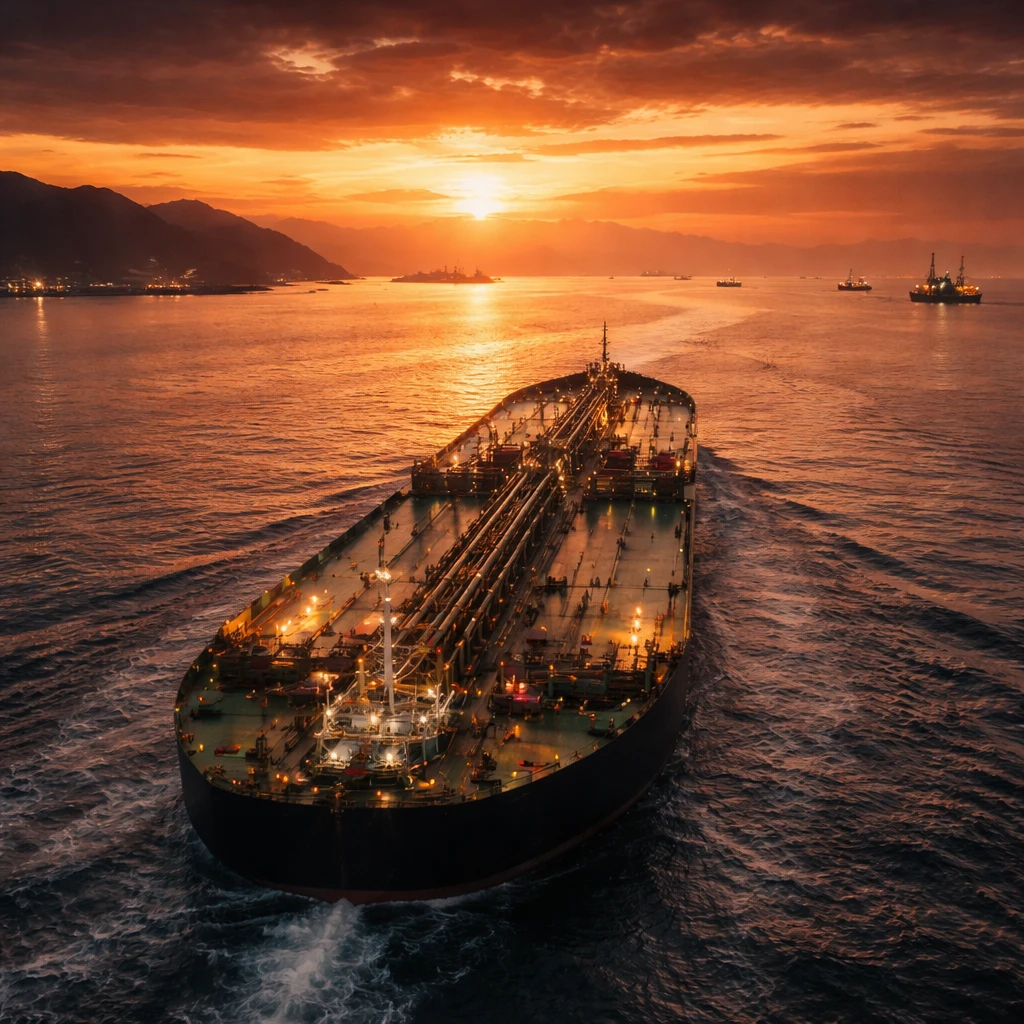
The President simultaneously offered a tactical pause in military plans against Iran, announcing a second extension of his deadline for strikes on critical Iranian infrastructure. Trump said planned operations against Iran's power and desalination systems would be withheld until April 6, on the condition that reopening the Strait of Hormuz shows measurable progress. He emphasized that the pause was conditional - negotiations would continue, but a substantial number of Iranian targets would still be designated for future action if the strait remained obstructed. In his remarks he referred to the waterway informally as the "Strait of Trump."
The extension comes after a period of heightened energy-market volatility tied to retaliatory Iranian strikes that struck key Saudi energy infrastructure, including the Ras Tanura refinery and the Shaybah oil field. These incidents have intensified investor concern over Persian Gulf supply routes and the broader stability of energy flows.
Saudi Arabia's government has publicly denied that it sought an extension of the conflict, even as the wider confrontation has placed pressure on the Kingdom's $1 trillion Public Investment Fund. The fund is navigating a difficult balancing act between continuing its global investment ambitions and managing the rising domestic costs tied to regional instability.
Market implications and the push for normalization
Market participants are watching whether a formal Saudi-Israeli agreement could act as a countervailing force to the supply-chain disruptions affecting the Persian Gulf. Investors are monitoring the April 6 deadline closely. The administration warned that failure to secure a negotiated settlement could precipitate an assault on Iran's energy grid - a development market observers say could push crude prices markedly higher.
As the announced 10-day pause begins, attention remains focused on the Strait of Hormuz and whether the diplomatic window will yield a durable change in the region's risk profile. The President paired diplomatic pressure on Crown Prince Mohammed bin Salman with a continued readiness to use military leverage, presenting both paths as complementary tools to achieve a "transformed" regional landscape.
Investor tools and attention on energy names
Market services and analytical tools have turned their attention to energy-sector equities as geopolitical risk fluctuates. Some AI-driven platforms evaluate major energy companies such as Chevron (CVX) using broad financial metrics to help investors weigh risk and valuation in this environment.
Key takeaways
- President Trump urged Saudi Arabia to normalize relations with Israel, linking diplomatic moves to a potential regional economic upswing.
- He extended the deadline for strikes on Iran's power and desalination infrastructure to April 6, contingent on progress reopening the Strait of Hormuz, while reserving the option for future strikes against thousands of Iranian targets if necessary.
- Recent Iranian retaliatory attacks on Saudi energy facilities - including the Ras Tanura refinery and the Shaybah oil field - have elevated market concern over Persian Gulf supply disruptions.
Context for markets
Energy markets received a brief respite from the announcement of a delay in planned strikes, but volatility remains elevated. The outcome of the diplomatic window and any subsequent movement on the Strait of Hormuz will be closely watched by investors, traders, and sovereign funds balancing strategic objectives against domestic economic pressures.
Risks and uncertainties
- Failure to reach a negotiated settlement by April 6 could trigger direct strikes on Iran's energy grid, risking sharp increases in crude prices - a key concern for the energy sector and broader markets.
- The ongoing conflict and strikes on energy infrastructure create persistent supply-chain disruption risks for oil and gas markets, with implications for companies, investors, and national sovereign funds.
- The Public Investment Fund of Saudi Arabia faces heightened domestic costs from regional instability even as it pursues global investment objectives, introducing execution risks for its international strategies.
As diplomatic and military options remain in play, market participants will gauge both the progress of negotiations around the Strait of Hormuz and any shifts in regional alliances that could either alleviate or exacerbate these risks.