
Economy April 7, 2026

Trump Signals Willingness to Hold Off on Strikes if Diplomacy Shows Promise

White House signals shrinking window for talks as Tehran's replies are seen as hardline but negotiable

By Sofia Navarro
Trump Signals Willingness to Hold Off on Strikes if Diplomacy Shows Promise

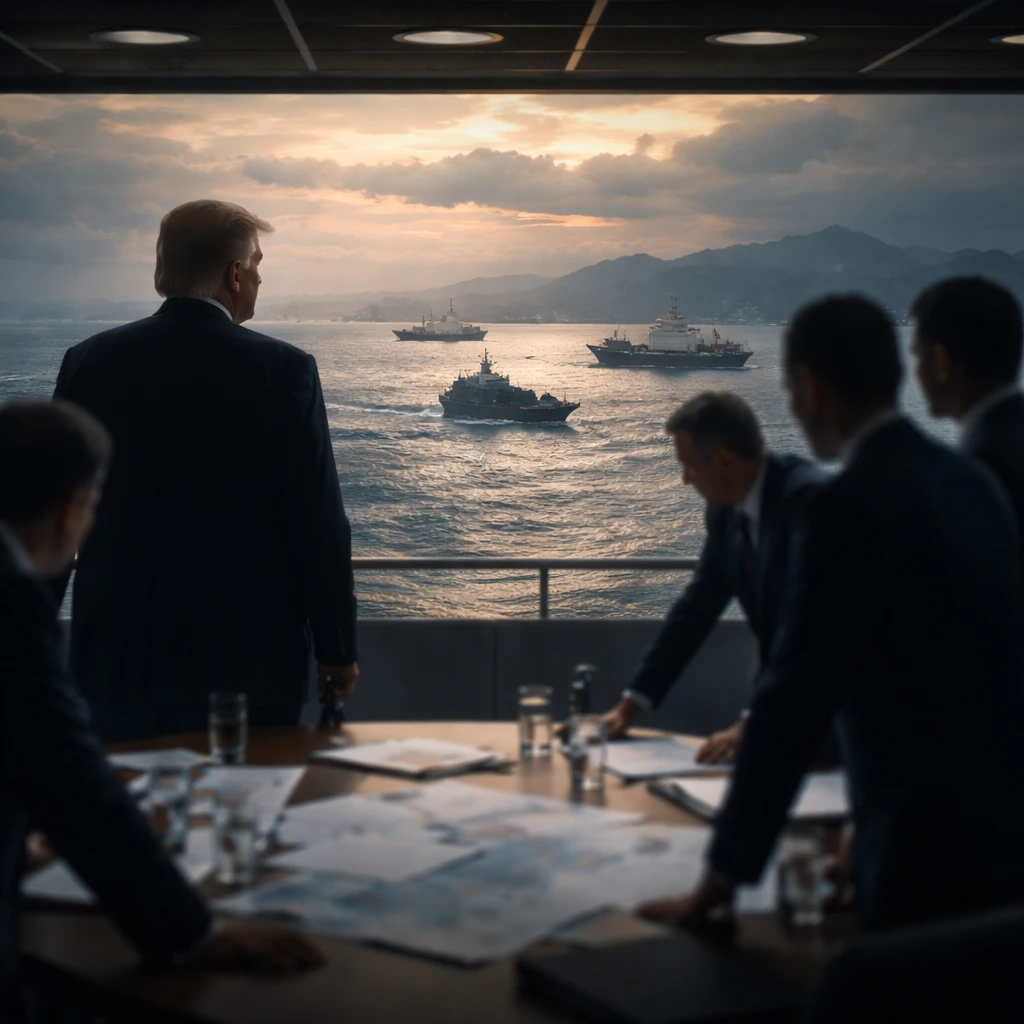
U.S. President Donald Trump could postpone planned military strikes on Iran if indications emerge that a diplomatic settlement is attainable, according to media accounts citing U.S. officials. While Tehran's response to the latest proposal has been described as tough, U.S. officials view it as bargaining behavior rather than outright refusal. At the same time, the White House has expressed reluctance to extend the current deadline again, and some officials say Mr. Trump has become less optimistic about a deal and may issue final strike orders as early as Tuesday evening.

Key Points

  • President Trump may postpone military action if diplomacy shows credible signs of producing a deal; U.S. officials say the administration remains open to accepting an agreement.
  • The White House is hesitant to extend the current deadline again, suggesting limited time for talks and increasing pressure on the negotiations process - sectors impacted include energy (shipping through the Strait of Hormuz), defense, and broader market sentiment.
  • Iran's reply to the latest U.S.-backed proposal was described as "tough," but U.S. officials view it as a negotiating maneuver rather than a flat rejection.

U.S. President Donald Trump may delay planned military action against Iran if there are credible signs that a diplomatic settlement is within reach, media reports citing U.S. officials said. Officials told reporters the president remains open to accepting any viable deal that develops from ongoing talks, but it is unclear whether Iran will make the concessions necessary to secure such an agreement.

At the same time, the White House has expressed reservations about pushing the current deadline out further, suggesting the timeframe for negotiations is limited. Those doubts were reported alongside descriptions of Tehran's response to the latest U.S.-backed proposal as "tough." U.S. officials, however, characterized that posture as a negotiating tactic rather than a categorical rejection.

The developments come ahead of a deadline set by the president for Iran to reopen the Strait of Hormuz by 8 P.M. ET Tuesday. Mr. Trump has warned of forceful measures should Tehran fail to comply, threatening strikes on a power plant and bridges and saying the entire country could be "taken out" if the deadline is not met.

Some U.S. officials told reporters that the president has privately grown less optimistic that a diplomatic outcome will be achieved and is increasingly preparing to issue final orders for military strikes, potentially as early as Tuesday evening. Those accounts indicate that while diplomacy remains a possible path, plans for military action are being readied in parallel.

Officials described Iran's response to the U.S.-backed proposal as firm but said they interpret it as a negotiating posture rather than an absolute refusal to engage. The White House's reluctance to extend the timetable further underscores the limited window for talks, even as the administration remains open to accepting any deal that emerges.


Context and next steps

According to U.S. officials cited in media reports, the choice facing the administration is whether to wait for clearer signs that a deal can be reached or to proceed with planned military actions when the deadline arrives. The reports indicate both paths are being considered, with military preparations continuing amid ongoing diplomatic exchanges.

Risks

  • Uncertainty over whether Iran will make the concessions needed for a diplomatic resolution creates risk of military escalation - this directly affects defense planning and energy markets tied to Strait of Hormuz shipping.
  • The White House's reluctance to extend the deadline increases the chance that diplomatic efforts may be cut short, raising the possibility of imminent military orders and heightened market volatility.
  • Some U.S. officials say the president has grown less optimistic and may issue final strike orders as early as Tuesday evening, introducing near-term execution risk for any planned operations and for regional stability.

More from Economy

Ex-BOJ Director Says Rising Oil Costs May Force Rate Hikes by July Apr 7, 2026 ECB must be prepared to lift rates quickly if inflation expectations shift, policymaker warns Apr 7, 2026 Deal Hopes Collide with Escalation Fears as Markets Sit on Their Hands Apr 7, 2026 Seeking Signals From the Noise: Markets Edge Up as Geopolitics and Data Collide Apr 6, 2026 IMF Head: Middle East War Will Push Up Inflation and Weigh on Growth Apr 6, 2026