
Economy March 25, 2026

Trump Seeks Short Timeline to End Iran Conflict, Urges Advisers to Close Hostilities Within Weeks

President privately tells aides he sees the confrontation winding down and presses for a four-to-six week endgame as fighting and economic disruptions continue

By Leila Farooq
Trump Seeks Short Timeline to End Iran Conflict, Urges Advisers to Close Hostilities Within Weeks

President Donald Trump has told associates he wants to avoid a prolonged war with Iran and is pressing advisers to limit hostilities to a four-to-six week window, privately saying he believes the conflict is nearing its final phase. The White House is also coordinating a mid-May summit with China that takes this timeframe into account. Fighting between the U.S., Israel and Iran has entered its fourth consecutive week, Tehran has largely rejected calls for a ceasefire while reviewing a 15-point U.S. peace proposal, and Iran continues to propose its own five-point plan that includes U.S. reparations and a toll on transits through the Strait of Hormuz. The waterway remains effectively blocked, constraining roughly 20% of global oil and gas supplies.

Key Points

  • President has privately asked aides to confine operations and diplomacy to a four-to-six week timeline, viewing the conflict as nearing its final stages - impacts planning for international meetings such as a mid-May summit with China.
  • Hostilities have continued into a fourth consecutive week with ongoing strikes between the U.S., Israel and Iran, while Tehran resists a ceasefire and is reviewing a 15-point U.S. proposal.
  • Iran has proposed a five-point plan calling for U.S. reparations and a toll system for the Strait of Hormuz; the strait remains effectively blocked, constraining roughly 20% of global oil and gas supplies - a material effect on energy and shipping sectors.

U.S. President Donald Trump has told associates in recent days that he wants to avoid a drawn-out military confrontation with Iran, and has urged his advisers to pursue a short timeline for concluding the conflict. Privately he has characterized the fighting as entering its final stages and has pressed for operations and diplomacy to wrap up on a roughly four-to-six week schedule.

That internal timeline has factored into White House planning for a mid-May summit with China, according to people close to discussions. The meeting is being arranged with the expectation that the period of heightened hostilities will be limited to that four-to-six week window.

The request for a narrow endgame comes as the U.S.-Israel campaign against Iran moves into its fourth consecutive week and shows little sign of easing. Tehran has been largely resistant to calls for an immediate ceasefire. Instead, Iran has indicated it will not directly negotiate with the United States and said it is reviewing a 15-point peace plan presented by Washington.

At the same time, Iran has put forward its own five-point proposal. That plan includes demands for reparations from the U.S. and a mechanism to levy charges - a toll system - on traffic through the Strait of Hormuz.

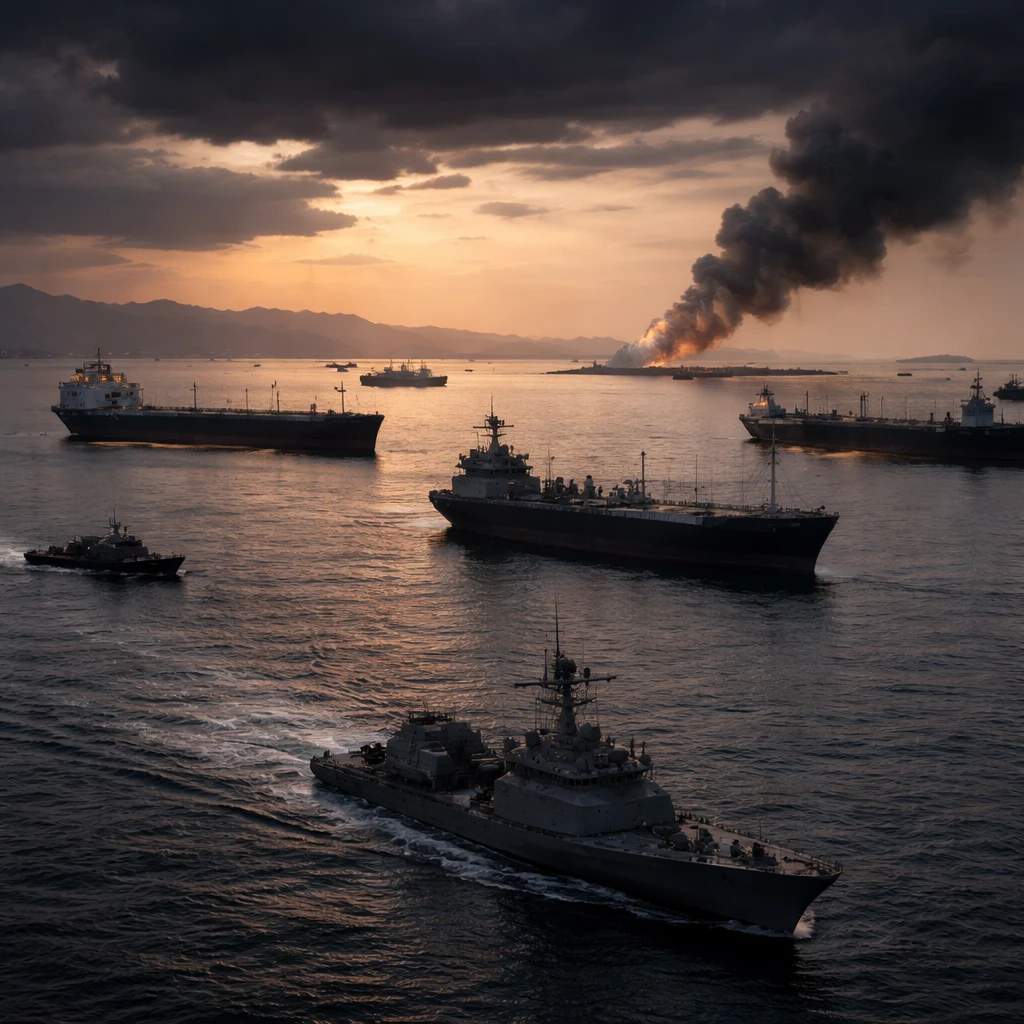
Militarily and economically, the confrontation has continued to produce exchanges of strikes between the U.S., Israel and Iran. The situation in the Strait of Hormuz has been particularly consequential; Iran is effectively keeping the waterway blocked, a disruption that curbs roughly 20% of the world’s oil and gas supplies. That constraint has tangible implications for energy markets and for logistics across maritime trade routes that use the strait.

Officials in the administration have urged advisers to adhere to the compressed timetable, viewing a limited-duration campaign as preferable to a protracted conflict. How Iran’s rejection of direct talks and its parallel peace plan will affect that timeline remains unclear. For now, the White House is coordinating diplomatic and strategic planning with the expectation that the heightened phase of fighting will conclude within weeks rather than months.

Risks

  • Continued strikes between the U.S., Israel and Iran create uncertainty for oil and gas markets due to the effective blockade of the Strait of Hormuz - energy and shipping sectors are directly affected.
  • Iran’s refusal to engage in direct negotiations and its separate five-point demand list introduce diplomatic uncertainty that could extend the period of disruption if talks do not progress - impacting global trade and market stability.

More from Economy

FEMA Restores Major Pre-Disaster Grants Program After Court Order Mar 25, 2026 Markets on Edge as Ceasefire Talks in Middle East Dominate Investor Focus Mar 25, 2026 Brookings Paper Outlines Regulatory and Market Steps to Shrink Fed Balance Sheet Mar 25, 2026 Japan’s Service-Sector Producer Prices Tick Higher in February Mar 25, 2026 Dollar Holds Gains as Markets Seek Clarity on Middle East Tensions and Fed Trajectory Mar 25, 2026