
Economy February 17, 2026

Trump Says Japan Has Launched First Investments Under $550 Billion Commitment; Projects Target Energy, Power and Minerals

Administration highlights initial Texas, Ohio and Georgia projects as steps in a $550 billion Japan-US deal, with tariffs credited for enabling the investments

By Leila Farooq
Trump Says Japan Has Launched First Investments Under $550 Billion Commitment; Projects Target Energy, Power and Minerals

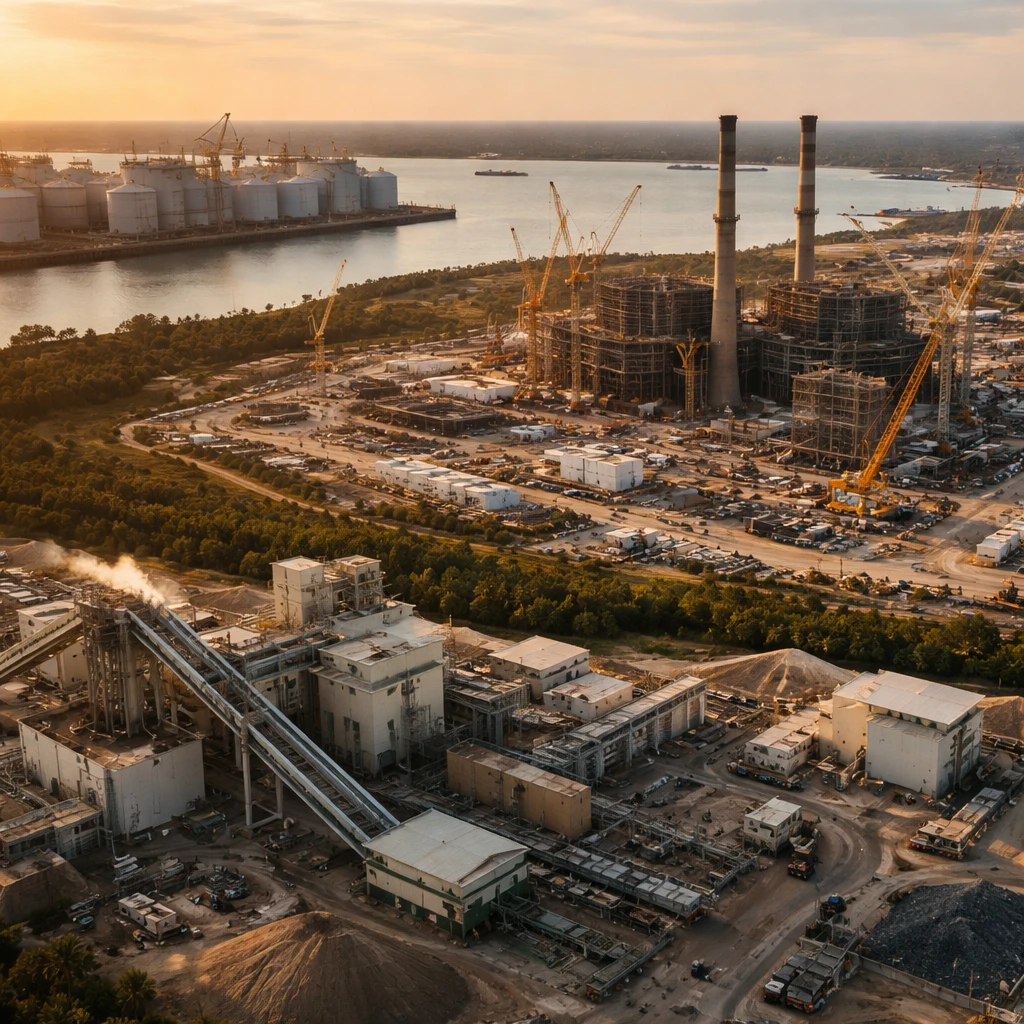
President Donald Trump announced that Japan has initiated the first wave of investments tied to a $550 billion pledge to the United States. The initial projects, described as being in "strategic areas," include oil and gas development in Texas, a gas-fired power plant in Ohio and a critical minerals facility in Georgia. The president attributed the deals in part to tariffs and framed the agreement as a major boost to U.S. industry, exports and national security.

Key Points

  • Japan has begun initial investments under a $550 billion commitment to the U.S., announced by the president.
  • Three projects were highlighted: oil and gas in Texas, a gas power plant in Ohio, and a critical minerals facility in Georgia - impacting energy, industrial manufacturing and minerals sectors.
  • The president credited tariffs with enabling these investments and framed the deal as "historic," asserting it will create "hundreds of thousands" of jobs and bolster national and economic security.

President Donald Trump announced on Tuesday that Japan has begun making its first investments under a $550 billion commitment to the United States, calling the arrangement a "massive trade deal." In a social media post, Mr. Trump identified three inaugural projects located in different states and described them as concentrated in "strategic areas."

The president listed the projects as follows: oil and gas development in Texas; a power generation project in Ohio; and a critical minerals facility in Georgia. He said these are the first investments to flow from the broader $550 billion commitment.


Mr. Trump emphasized the role of tariffs in facilitating the arrangements, asserting that tariff policy was instrumental in making the large-scale projects possible. He made several specific claims about the initiatives: that the gas power plant planned for Ohio "will be the largest in history," and that an LNG facility in the Gulf region is expected to expand U.S. exports and reinforce American "energy dominance."

On the minerals project, the president said the facility in Georgia would help lower U.S. reliance on foreign sources of critical materials. He characterized the overall agreement as "historic," and said it would "revitalize the American industrial base."

Mr. Trump also asserted the deal would generate "hundreds of thousands" of jobs and strengthen both national and economic security. The announcement frames the initial investments as a multi-state launch of larger-scale commitments encompassed by the $550 billion pledge.


Details such as timelines, contractual terms, financing arrangements and specific company names were not provided in the president's post. The announcement presents the projects as early-stage commitments within the scope of the larger bilateral investment pledge.

Given the limited information released in the statement, further public disclosures would be necessary to assess the structure and execution of each project, including permitting, construction schedules and the roles of private and public stakeholders.

Risks

  • The announcement provides limited detail on timelines, contracts or participants, leaving uncertainty about project execution and completion - affecting energy and manufacturing sectors.
  • Claims about scale and outcomes are presented as presidential assertions (for example, the Ohio plant "will be the largest in history" and LNG facilities are "expected" to increase exports), which are projections rather than independently verified facts - relevant to investors in energy infrastructure.
  • Reliance on tariff policy as a stated enabler introduces policy dependency; changes in trade or tariff policy could influence project economics or scope.

More from Economy

Enterprises Keep Cybersecurity Budgets Intact as AI Spend Rises, Jefferies Survey Finds Mar 22, 2026 Bank of America Sees Possible Near-Term Floor for Japanese Stocks, Flags Geopolitical Risks Mar 22, 2026 Barclays Says Private Credit Strains Fall Short of a 2008-Style Crisis Mar 22, 2026 Persistent Middle East conflict and energy shock weigh on fragile equities rally Mar 22, 2026 Israel Orders Destruction of Bridges Over Litani River, Increases Home Demolitions Near Lebanon Border Mar 22, 2026