
President Donald Trump said on Tuesday that Iran had delivered what he called a substantial energy-related concession to the United States, but he stopped short of providing specifics about the item or action.
Speaking with reporters in the Oval Office, Trump described the concession as a "very big present" that arrived the same day, adding that it carried "a tremendous amount of money." He said he would not reveal what the present was, but characterized it as a significant gesture of good faith during negotiations aimed at ending a 25-day conflict that, he noted, has disrupted global markets.
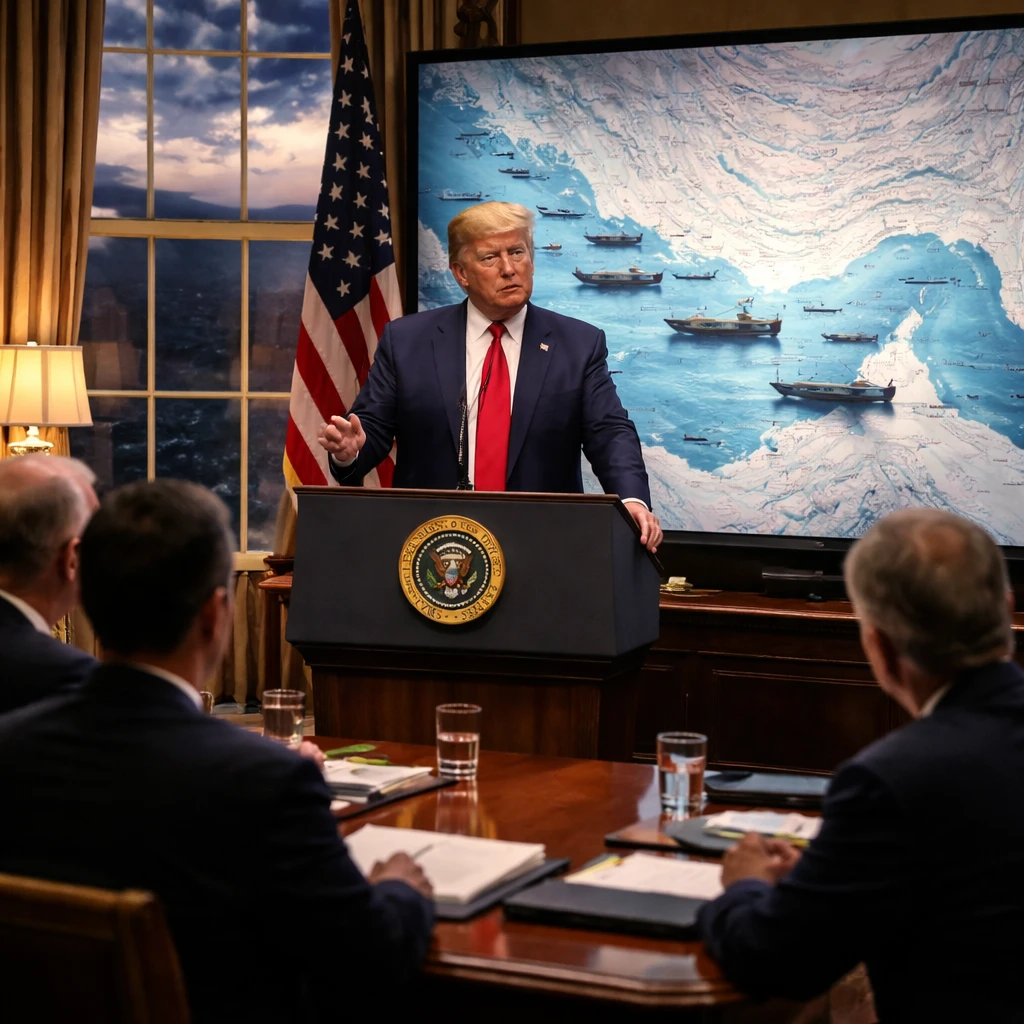
Trump suggested the concession involved the Strait of Hormuz, the key oil transit waterway that the United States has sought to keep open during the hostilities. "It wasn’t nuclear, it was oil-and gas-related, and it was a very nice thing they did," he said, emphasizing the energy connection without offering further detail.
The president said U.S. officials are actively negotiating with Iranian counterparts to reach a deal that would end the fighting, and that Iranian leaders want an agreement. He identified a group of U.S. envoys and senior officials engaged in the discussions, naming envoys Steve Witkoff and Jared Kushner alongside Vice President JD Vance and Secretary of State Marco Rubio. Trump did not confirm whether Witkoff and Kushner have scheduled talks later this week.
Separately, Pakistan has stated its willingness to host talks between the United States and Iran, according to the president's remarks. The offer of a neutral venue was mentioned in the context of ongoing efforts to find a diplomatic path toward de-escalation.
Trump also noted that the United States has deployed additional troops to the Middle East during the course of the conflict. He framed the Iranian concession as an encouraging signal but maintained that details would remain undisclosed.
The administration's account links the concession to energy flows through the Strait of Hormuz and frames it as part of negotiations intended to stop the fighting. Beyond the president's description and the naming of the individuals involved, few concrete details have been made public about the substance of what Iran provided or about the timetable for any agreement.
Context and implications
As presented by the president, the gesture from Iran was explicitly energy-related and not nuclear. Officials named as participating in the talks reflect a mix of designated envoys and senior U.S. leaders overseeing diplomacy and policy. Pakistan's offer to host talks and the U.S. troop deployments were cited as ongoing elements of the broader diplomatic and security backdrop.
Additional public information on the content of the concession, the details of planned negotiations, and whether meetings will take place this week was not provided in the president's comments.