
Economy February 4, 2026

Trump Predicts the Fed Will Cut Rates, Says Nominee Kevin Warsh Shares His Leaning

In an NBC News interview, the president expressed confidence in a rate reduction and tied support for easing to his Fed nomination

By Caleb Monroe
Trump Predicts the Fed Will Cut Rates, Says Nominee Kevin Warsh Shares His Leaning

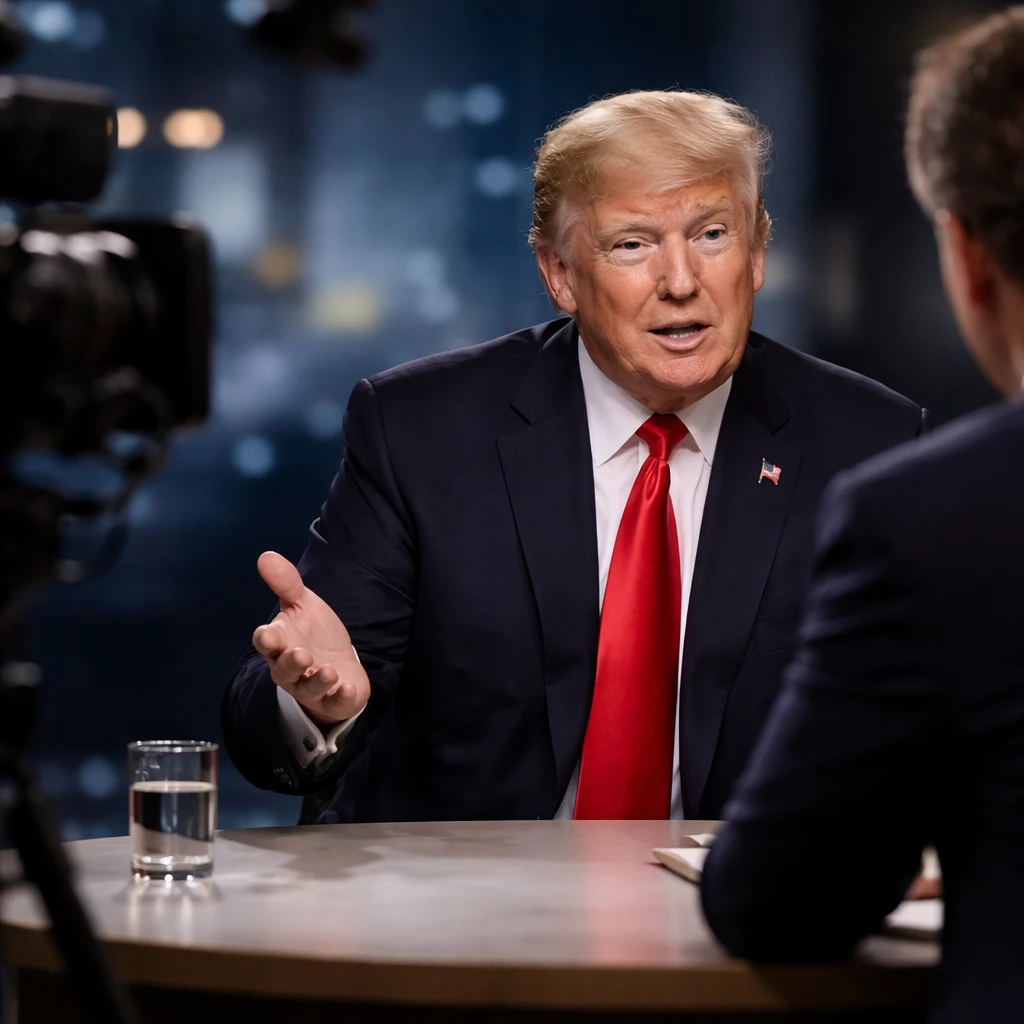
President Donald Trump told NBC News he sees "not much" doubt that the Federal Reserve will reduce benchmark U.S. interest rates. He also said his Fed nominee, Kevin Warsh, understands and aligns with his preference for monetary easing, and that support for rate cuts was a condition for the appointment.

Key Points

  • President Trump told NBC News he sees "not much" doubt that the Federal Reserve will cut benchmark U.S. interest rates.
  • Trump said his Fed nominee, Kevin Warsh, "understands" his preference for lower rates and indicated Warsh was inclined to support easing.
  • Support for rate cuts was described by the president as a condition for the Fed leadership nomination, a statement with potential implications for sectors sensitive to borrowing costs such as banking, housing, and interest-rate sensitive equities.

U.S. President Donald Trump said in an interview that he expects the Federal Reserve to move toward lower benchmark interest rates. Speaking with NBC News, the president described his confidence in an upcoming easing of policy, saying there was "not much" doubt in his mind that the central bank would cut rates.

During the conversation, Trump discussed his nominee to lead the Federal Reserve, Kevin Warsh. When asked whether Warsh understood the president's preference for lower rates, Trump replied: "I think he does, but I think he wants to anyway." The president framed support for rate reductions as a practical prerequisite for the leadership role, adding: "I mean, if he came in and said, 'I want to raise them' ... he would not have gotten the job. No,"

The remarks link the president's expectations for Fed policy to his choice for the central bank's top post. Trump expressed confidence both in a future policy move toward easing and in his nominee's inclination to favor lower rates. Beyond those statements, the interview did not provide additional detail on timing, specific policy measures, or how the president's views might influence the central bank's decision-making process.

The exchange focused on two points the president emphasized: his belief that the Fed will cut benchmark interest rates and his view that Kevin Warsh understands and is inclined to support such easing. Trump explicitly positioned support for lower rates as a determinant in the nomination decision, saying that opposition to cuts would have disqualified a candidate for the role.

Observers will note the president's expressed expectations and the condition he described for his nominee, but the comments themselves do not specify dates, policy mechanics, or outcomes beyond the assertions made in the interview. The interview excerpts provided by the president highlight his confidence in a forthcoming rate cut and his view of the nominee's stance, while leaving open the question of how the Federal Reserve will ultimately act.


Summary of statements

  • Trump said there is "not much" doubt the Fed will lower interest rates.
  • He said Kevin Warsh "understands" his preference for monetary easing and indicated Warsh "wants to" support such a stance.
  • Trump stated that a nominee who advocated raising rates would not have been chosen for the job.

Risks

  • Uncertainty over whether the Federal Reserve will actually reduce benchmark rates - the president expressed confidence but no timing or policy specifics were given, leaving outcomes unclear for markets and borrowers.
  • Ambiguity about the nominee's ultimate policy actions - while the president said Kevin Warsh "understands" and "wants to" support lower rates, that expressed inclination does not guarantee specific future decisions if confirmed.
  • The stipulation that a nominee must support rate cuts introduces uncertainty around Fed leadership criteria and could affect perceptions in sectors reliant on interest-rate policy, including banking and housing.

More from Economy

U.S. and Iran Set for Nuclear Talks in Muscat After Regional Pressure Feb 4, 2026 Senate Banking Chair Defends Powell Against Criminal Claims as Nomination Faces Block Feb 4, 2026 Treasury Secretary Bessent Recants Earlier Claim That Tariffs Are Inflationary Feb 4, 2026 U.S. Seeks Minimum Prices for Critical Minerals in Talks with Mexico, EU and Japan Feb 4, 2026 Bessent Defends Fed Independence, Flags Stablecoins as Potential Treasury Tool Feb 4, 2026