
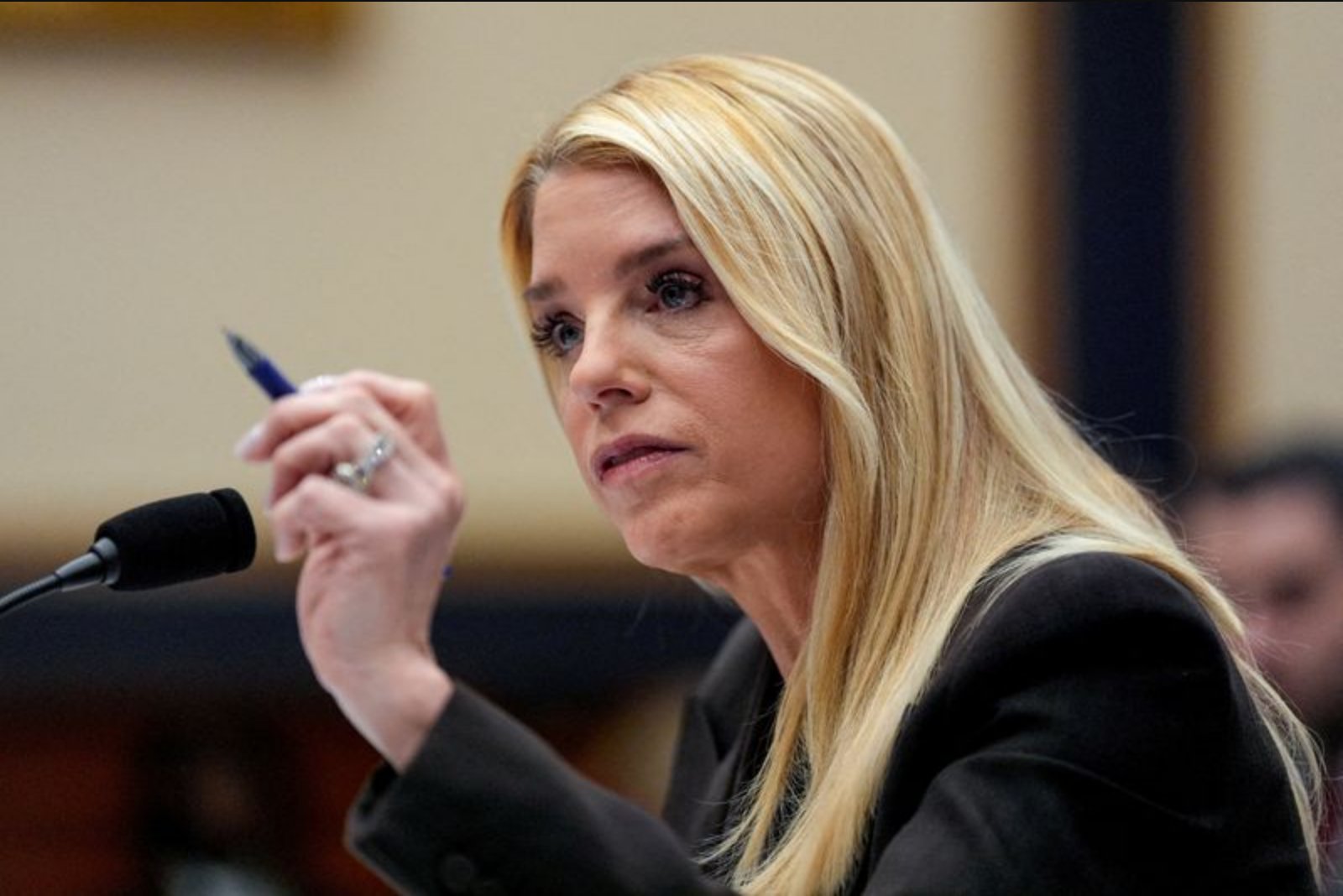
President Donald Trump dismissed Attorney General Pam Bondi on April 2, a White House official said, citing growing dissatisfaction with her performance at the helm of the Justice Department. Friction centered on Bondi's management of investigative files linked to the late financier and convicted sex offender Jeffrey Epstein, as well as complaints that she had not been swift enough to bring criminal charges against some individuals the president regarded as critics or adversaries.
Throughout her time as the nation's top law enforcement official, Bondi was a vocal and combative advocate for the administration's priorities. Her actions, supporters said, reflected an effort to reorient the department toward violent crime and to shore up support among Trump backers. Critics, however, argued that she dismantled long-standing norms of the Justice Department's independence from the White House in the conduct of investigations.
What ultimately came to define much of Bondi's tenure was sustained criticism over the handling of files related to the Justice Department's sex-trafficking investigations into Jeffrey Epstein. Lawmakers and some Republican allies publicly questioned whether Bondi had covered up or mismanaged the release of records. That controversy created political liabilities for the White House and intensified attention on Trump's past friendship with Epstein, a relationship Trump has said ended decades ago.
Bondi, who previously served as Florida's Republican state attorney general, framed her time at the Justice Department as an effort to return focus to violent crime and to rebuild trust with the administration's supporters after federal prosecutors twice brought criminal charges against Trump during his period out of office. She also defended personnel moves at the department, which included the removal of scores of career prosecutors tied to investigations that were seen as unfavored by the president. Critics contended those actions undermined the Justice Department's historic commitment to even-handed enforcement.
On the Epstein matter, Bondi offered a public defense of the department's transparency, saying the administration had been more forthcoming than predecessors and that Justice Department lawyers had worked under compressed timelines to review substantial volumes of material. Yet congressional hearings and public scrutiny persisted. In a January appearance before a House panel, Bondi mounted a combative response to questioning - at one point refusing to apologize and declining to turn toward Epstein victims and their relatives who attended the proceedings.
Bondi's handling of documents related to Epstein went through a series of developments last year. Early in the year she acknowledged speculation by noting a list of clients was under review at her office. An initial release of material contained items that were largely already public; in July the Justice Department and the FBI announced the matter was closed and that no further disclosures were warranted. That determination prompted renewed criticism and led to bipartisan legislation in November that required the department to release nearly all of its files related to the case.
The subsequent release amounted to roughly 3 million pages of records, but it did not end the political fallout. Lawmakers complained about redactions in the files and raised alarms over disclosures that identified some Epstein victims. The Republican-led House Oversight Committee voted to subpoena Bondi and she was scheduled to testify on April 14.
Bondi's departure is the second high-level exit from the administration in recent weeks. Homeland Security Secretary Kristi Noem was removed on March 5 after critics questioned her management of the department and her handling of the administration's immigration priorities.
Observers and officials described Bondi as an aggressive proponent of the president's agenda who reshaped prosecutorial priorities at the Justice Department. The immediate personnel and strategic consequences of her removal were not detailed by the White House. The firing comes amid ongoing scrutiny of the department's record on transparency and independence, particularly in high-profile investigations tied to Epstein and to politically sensitive subjects.
Key points
- President Trump removed Attorney General Pam Bondi on April 2 amid frustration over her handling of Jeffrey Epstein-related records and perceived delays in prosecuting critics.
- Bondi's tenure was marked by a shift in Justice Department personnel and priorities, including the removal of dozens of career prosecutors tied to investigations disfavored by the president.
- The release of roughly 3 million pages of Epstein-related records followed bipartisan legislation but continued to draw criticism over redactions and disclosures affecting victims; Bondi was subpoenaed by the House Oversight Committee and set to testify on April 14.
Risks and uncertainties
- Potential shifts in Justice Department strategy following Bondi's removal - this could affect prosecutorial focus and legal actions tied to politically sensitive cases, with implications for the legal services sector and political risk assessments.
- Continued congressional scrutiny and the subpoena of Bondi create uncertainty around further disclosures or testimony that could influence political dynamics and public trust in federal law enforcement institutions.
- Public and bipartisan concern over the handling and redaction of millions of pages of investigative files may prolong reputational and legal consequences, affecting perceptions of institutional transparency.