
Overview
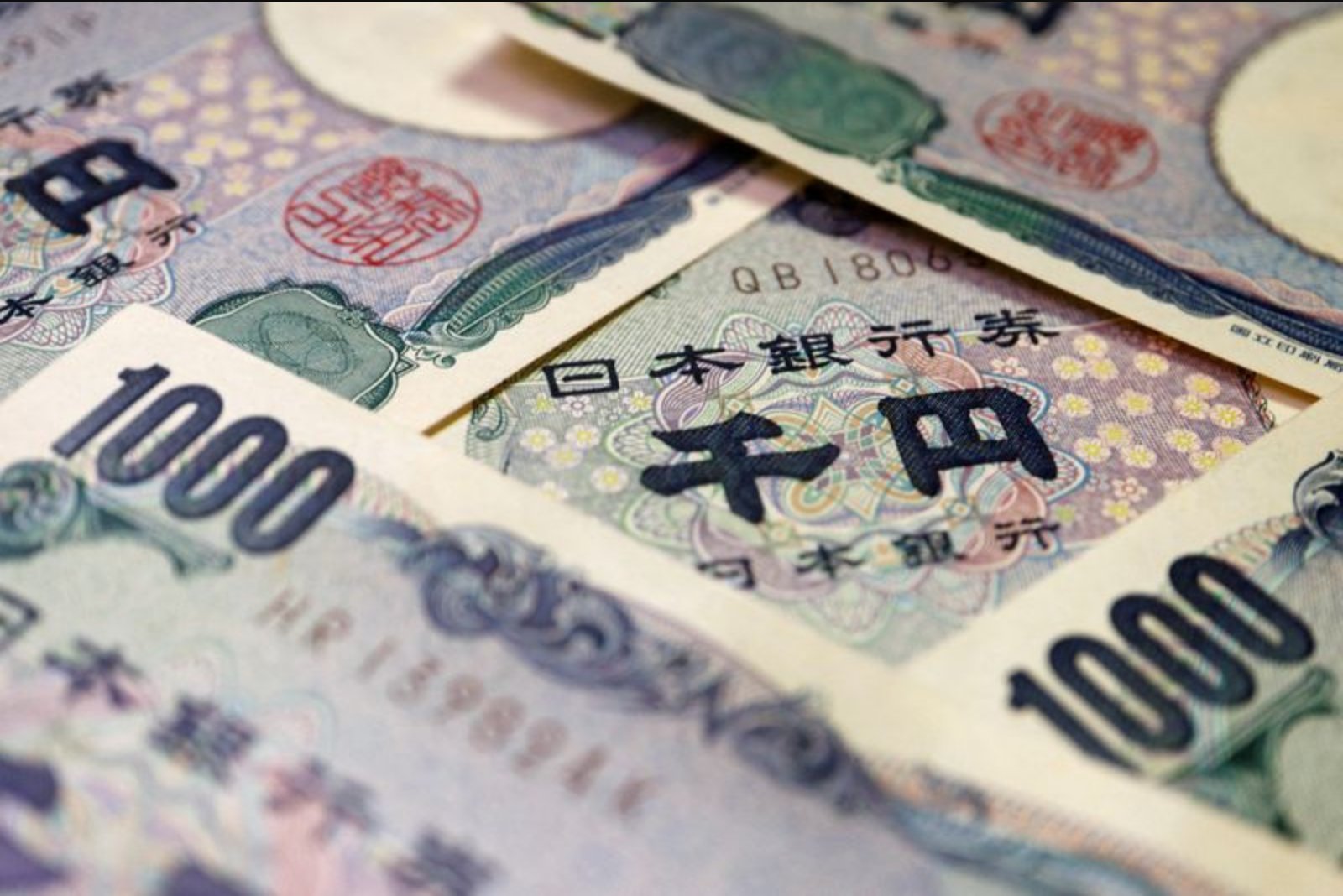
Japan on Tuesday publicly characterised the recent depreciation of the yen as speculative - a marked shift in rhetoric as policymakers confront a simultaneous sell-off across currency, equity and bond markets. Officials signalled a willingness to take action as the yen lingered close to the psychologically important 160-per-dollar mark and as geopolitical tensions in the Middle East pushed up oil prices.
Official reaction
Finance Minister Satsuki Katayama reiterated the government's preparedness to respond "on all fronts" to volatile moves in the market. Speaking in parliament, she said: "We’re seeing speculative moves heightening in the currency market," and added that similar speculative behaviour was visible "as well as in the oil futures market." It was the first instance since the roughly one-month-old Middle East conflict that she explicitly labelled yen moves as speculative.
Katayama's comments briefly lifted the yen, which then settled around 159.93 per dollar on Tuesday, remaining just below the 160 level widely seen by authorities as a potential line in the sand for intervention.
Market context and fundamentals
Japanese authorities have in the past defended direct intervention in the currency market by arguing that disorderly or rapid foreign exchange moves - those that stray from underlying fundamentals - are harmful to growth, citing international agreements among major economies. Yet some economists question whether the latest depreciation falls outside fundamentals.
Tsuyoshi Ueno, an economist at NLI Research Institute, said the declines have been driven largely by investor demand for the safe-haven dollar and suggested Katayama's remarks form part of heightened verbal intervention. He warned that if the yen were to fall below 162 fairly quickly, the next psychological threshold would be 165, a level he said could produce large fluctuations and provoke official intervention.
How the Iran conflict is amplifying pressure
Markets were unsettled after the Iran conflict effectively closed the Strait of Hormuz, a chokepoint that handles about a fifth of global oil and gas flows. That disruption pushed crude prices higher and pushed investors toward the dollar as a safe asset. The resulting spike in oil prices compounds inflationary pressure already coming from a weaker yen, which raises the domestic cost of imports and weighs on corporate and household budgets.
The combination of a weaker currency and higher energy costs has already had visible market effects. Japanese equities have been hit, with the Nikkei average on track to fall by more than 11% in March. At the same time, concerns about persistent inflation prompted investors to offload Japanese government bonds, lifting the benchmark 10-year yield on Monday to levels not seen since 1999.
Government and central bank watch
Economy Minister Minoru Kiuchi told reporters the government is monitoring both the currency and the bond market for any "excessive moves" in yields. That vigilance reflects the risk of a simultaneous sell-off across assets - currency, equities and bonds - which complicates the Bank of Japan's policymaking.
The BOJ faces a difficult choice: move quickly to lift interest rates to counter rising inflationary pressure, or proceed cautiously to avoid worsening conditions for a fragile economy. Data released on Tuesday showed annual core inflation in Tokyo slowed to a nearly two-year low in March and remained below the central bank's target for a second consecutive month - a development partly attributed to the effect of fuel subsidies offsetting rising raw material costs stemming from the weak yen.
Still, analysts expect that the softening in Tokyo's headline readings could prove temporary. They point to the Iran conflict and a persistently weak yen as factors that will likely keep inflationary pressure elevated - a concern BOJ policymakers actively debated at their March meeting. Market pricing reflected the elevated odds of policy action: investors placed roughly a 70% chance on a rate increase from the BOJ at its April 27-28 policy meeting.
Market commentary
Mari Iwashita, executive rates strategist at Nomura Securities, cautioned that the combined impact of a weaker yen and higher oil prices raises the prospect of an inflation overshoot. She noted that, unlike during earlier shocks, companies are now more actively passing increased input costs on to customers, making the economy more susceptible to second-round effects - she contrasted the current risk to the period around the 2022 Ukraine war.
Implications for investors and markets
The intersecting pressures from currency depreciation, energy-price inflation and shifting bond yields are creating a complex backdrop for investors and policymakers. Sectors most directly affected include import-dependent manufacturers and retailers facing higher input costs, energy and commodity-linked industries exposed to rising crude prices, and fixed-income markets reacting to yields moving higher. The authorities' growing emphasis on speculative activity in both currency and oil futures markets signals a willingness to use verbal and potentially market measures to curb disorderly conditions.
Conclusion
Tokyo's renewed focus on speculative pressure in the yen underscores how the Iran conflict and attendant energy-market disruption have amplified economic and market vulnerabilities. With the yen teetering near 160 and yields at multi-decade highs, authorities face difficult trade-offs between stabilising markets and supporting a fragile domestic recovery while the BOJ weighs the timing of a policy response.