
Economy April 2, 2026

Three Masterpieces Taken in Three-Minute Heist Were Likely Uninsured, Market Sources Say

Cézanne, Renoir and Matisse works taken from Fondazione Magnani Rocca; commercial cover often focuses on works in transit rather than permanent collections

By Caleb Monroe
Three Masterpieces Taken in Three-Minute Heist Were Likely Uninsured, Market Sources Say

Three paintings by Pierre-Auguste Renoir, Paul Cézanne and Henri Matisse stolen from the Fondazione Magnani Rocca near Parma on the night of March 22 were likely not covered by commercial insurance, market sources said. An underwriter cited the prohibitive cost of cover for works in permanent collections. The robbery reportedly took just three minutes from forced entry through the museum's main entrance. Industry practice tends to concentrate insurance on works in transit or on loan, while states often shoulder the risk for national or permanent collections.

Key Points

  • Three paintings by Cézanne, Renoir and Matisse were stolen from the Fondazione Magnani Rocca near Parma on the night of March 22; police said the theft took three minutes from forced entry through the main entrance.
  • Market sources said the works, estimated at around $10 million in total, had likely failed to secure commercial insurance because of cost, with one fine art underwriter telling The Insurer the pieces had previously been unable to obtain cover.
  • Commercial art insurance commonly focuses on works in transit for storage or temporary exhibitions, while insuring permanent collections can be prohibitively expensive; states frequently act as de facto insurers for major national collections.

Three paintings by French masters taken from a museum in northern Italy on the night of March 22 were probably not protected by commercial insurance, according to market sources familiar with the matter.

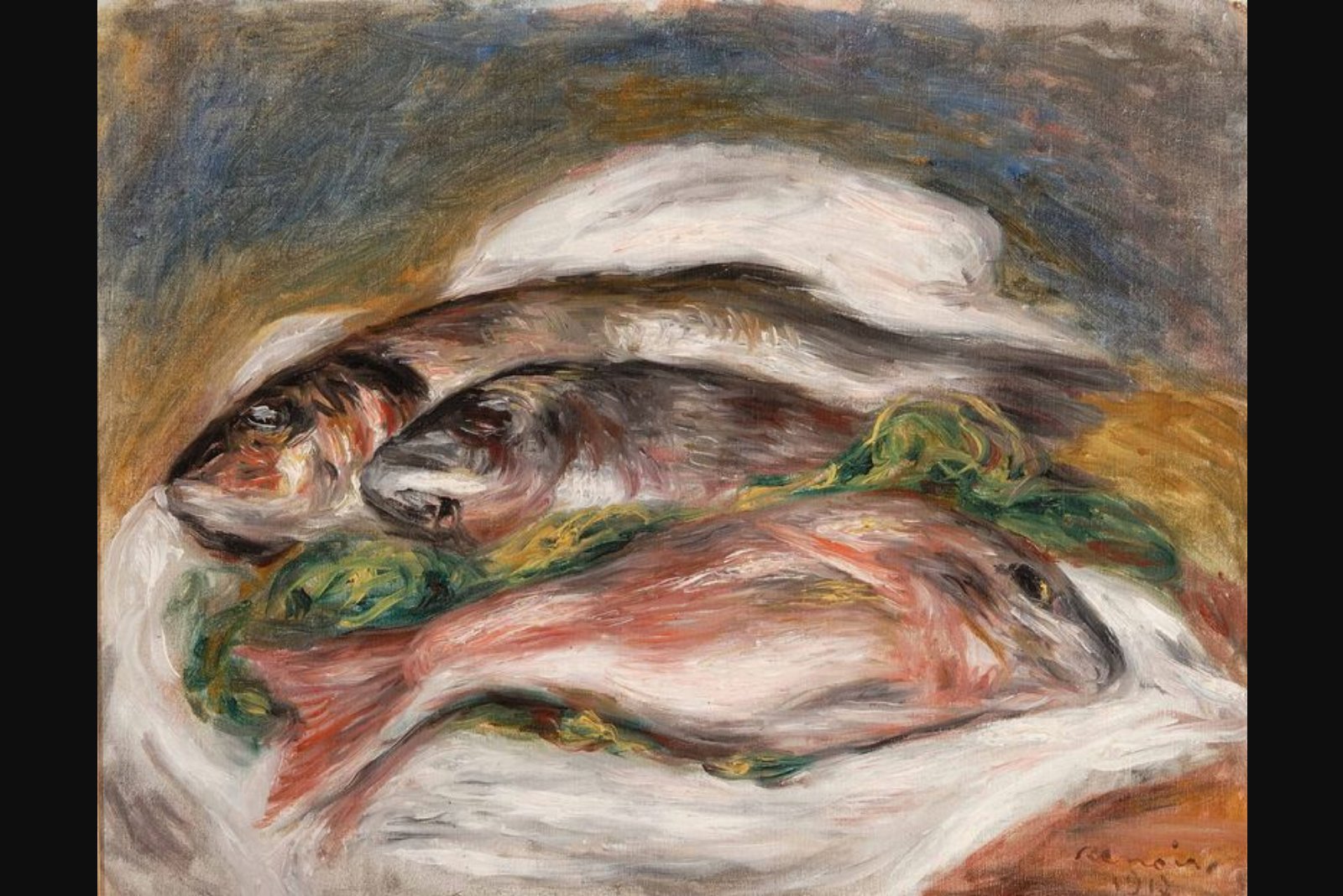
The works - Paul Cézanne’s "Tasse et Plat de Cerises" (Cup and Plate of Cherries), Pierre-Auguste Renoir’s "Les Poissons" (The Fish) and Henri Matisse’s "Odalisque sur la Terrasse" (Odalisque on the Terrace) - were removed from the Fondazione Magnani Rocca, a gallery near Parma, when thieves forced their way in through the main entrance. Police said the theft took only three minutes from the point of entry.

Market participants privy to the case said the three paintings, put at roughly $10 million in total, had previously failed to obtain commercial insurance because of the expense involved. One fine art underwriter told the publication The Insurer that the cost of covering those pieces had been prohibitive, leading to an absence of a policy.

Sources also expressed surprise at the selection of works taken. The museum's permanent collection includes names such as Monet, Durer and Rubens, and observers said the stolen pieces were relatively low in market value compared with other works on display.

The situation in Italy mirrors patterns seen elsewhere, where costly commercial insurance is rarely applied to items that form part of a permanent collection. The industry places greater emphasis on insuring artworks in transit - for storage, transport, or temporary exhibitions - because those movements account for most losses, market sources said.

In a high-profile example cited by those in the market, thieves in October made off with crown jewels valued at 88 million euros. As with the case in Italy, the jewels were part of a permanent collection and no commercial policy was in place; the government was expected to indemnify the institution as a result.

For many museums and heritage sites, the expense of arranging comprehensive commercial cover against the full spectrum of theft or damage risks is prohibitive. As a result, state bodies often serve as a practical insurer of last resort for national or otherwise significant permanent collections.

($1 = 0.8678 euros)

Risks

  • Museums and galleries that do not carry commercial insurance for permanent collections face direct financial exposure from theft or damage - this impacts cultural institutions and could have budgetary consequences for public funding bodies.
  • Reliance on state indemnification for high-value items may leave institutions vulnerable if government resources are constrained or if legal and bureaucratic hurdles delay compensation - relevant to public sector budgets and heritage funding.
  • The pattern of losses occurring chiefly during transport suggests that lenders and hosting institutions remain exposed when artworks move between sites, affecting insurers, logistics providers, and institutions that borrow or loan works.

More from Economy

Canada’s February trade shortfall widens as gold imports push imports to record high Apr 2, 2026 Apollo Executive Frames Retail Withdrawals from Private Credit as Manageable 'Growing Pains' Apr 2, 2026 Macron Rejects Military Plan to Reopen Strait of Hormuz as Unrealistic Apr 2, 2026 BofA Sees BoE Raising Rates Twice Before Cutting as Energy Shock Lingers Apr 2, 2026 Philippines Receives Iranian Assurance on Safe Transit Through Strait of Hormuz Apr 2, 2026