
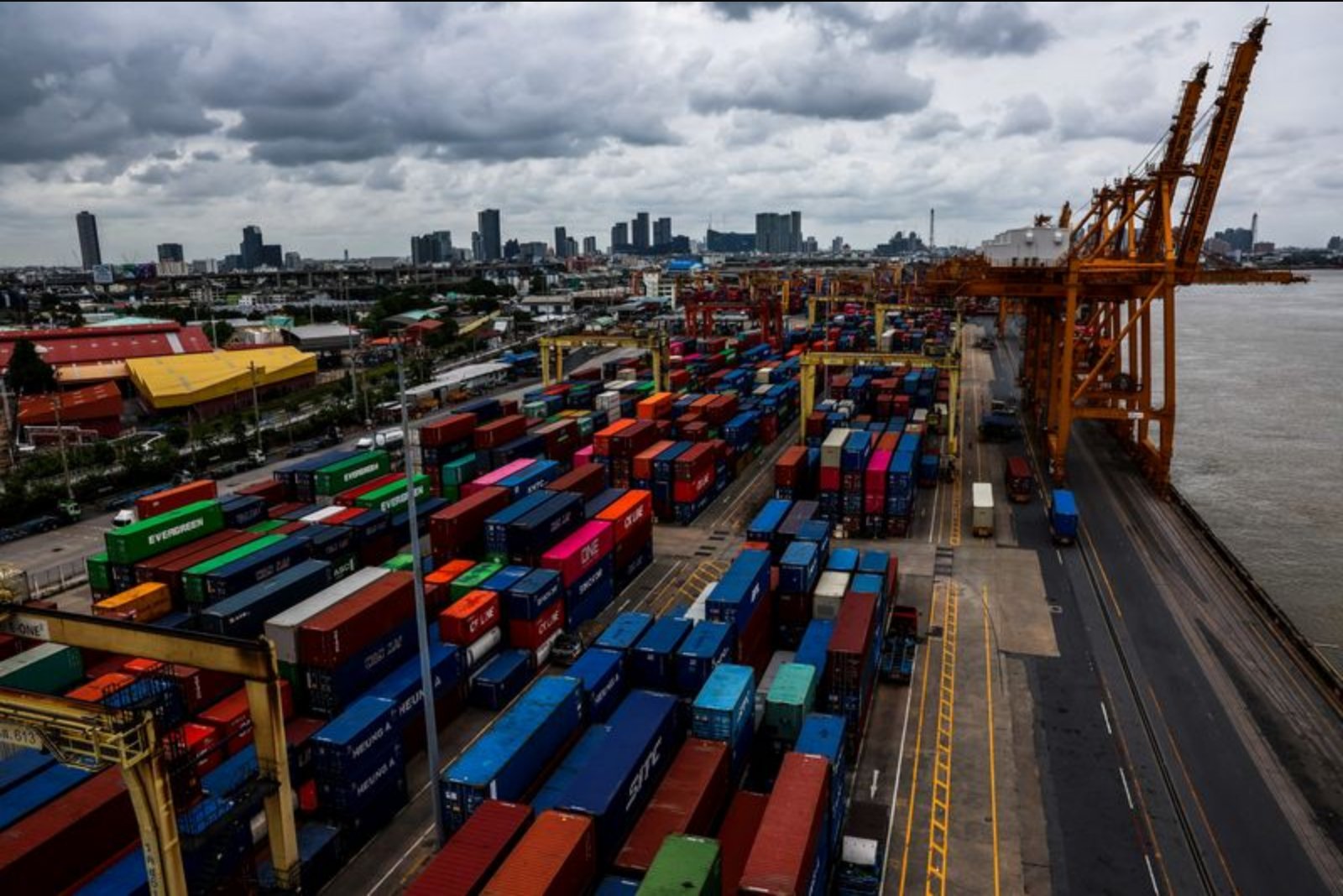
Thailand must furnish written comments to U.S. authorities on the Section 301 trade investigation by April 15, the Thai commerce ministry said on Monday. The ministry's remarks followed a briefing by Chotima Iemsawasdikul, director general of the Department of Trade Negotiations, who cautioned that failing to present a defence could expose the country to tariff measures.
Chotima noted that Thailand is one of 16 countries the United States has placed under investigation under Section 301 of the Trade Act of 1974. The probe scrutinises alleged excess production capacity in several Thai export sectors. Specifically, the investigation covers autos, machinery parts, fish, fish oil, animal feed and garments.
In addition to capacity-related questions, there is a separate U.S. case examining imports of goods made with forced labour. Chotima emphasised that, in that particular case, no specific source country has been identified by the investigators.
Officials said Thailand continues to engage in discussions with U.S. counterparts following an earlier joint statement addressing both tariff and non-tariff matters. Those talks remain underway as Thai negotiators seek to resolve outstanding issues.
The commerce ministry statement also recalled that Thai goods had previously been subject to a 19% U.S. tariff. That measure has since been superseded by Washington's new global tariff framework.
Separately, Chotima reported progress on regional trade negotiations, saying talks on a Thailand-European Union free-trade agreement are at the midpoint. Thailand is pressing to finalise the FTA within the current year, she said.
The U.S. inquiry and the potential for tariffs touch on a wide cross-section of Thailand's export base. The named sectors - autos, machinery parts, fish and fish oil, animal feed and garments - represent areas where trade policy outcomes could affect production, pricing and market access. Ongoing bilateral discussions with the United States and parallel negotiations with the EU will shape near-term trade dynamics for Thai exporters.
Background limitations: The ministry's announcement and Chotima's remarks provide the scope and deadlines for the U.S. reviews but do not include details on evidence, timelines for any subsequent determinations, or the identities of the other 15 countries under investigation. The forced labour inquiry is noted as having no specific source country identified in the information released.