
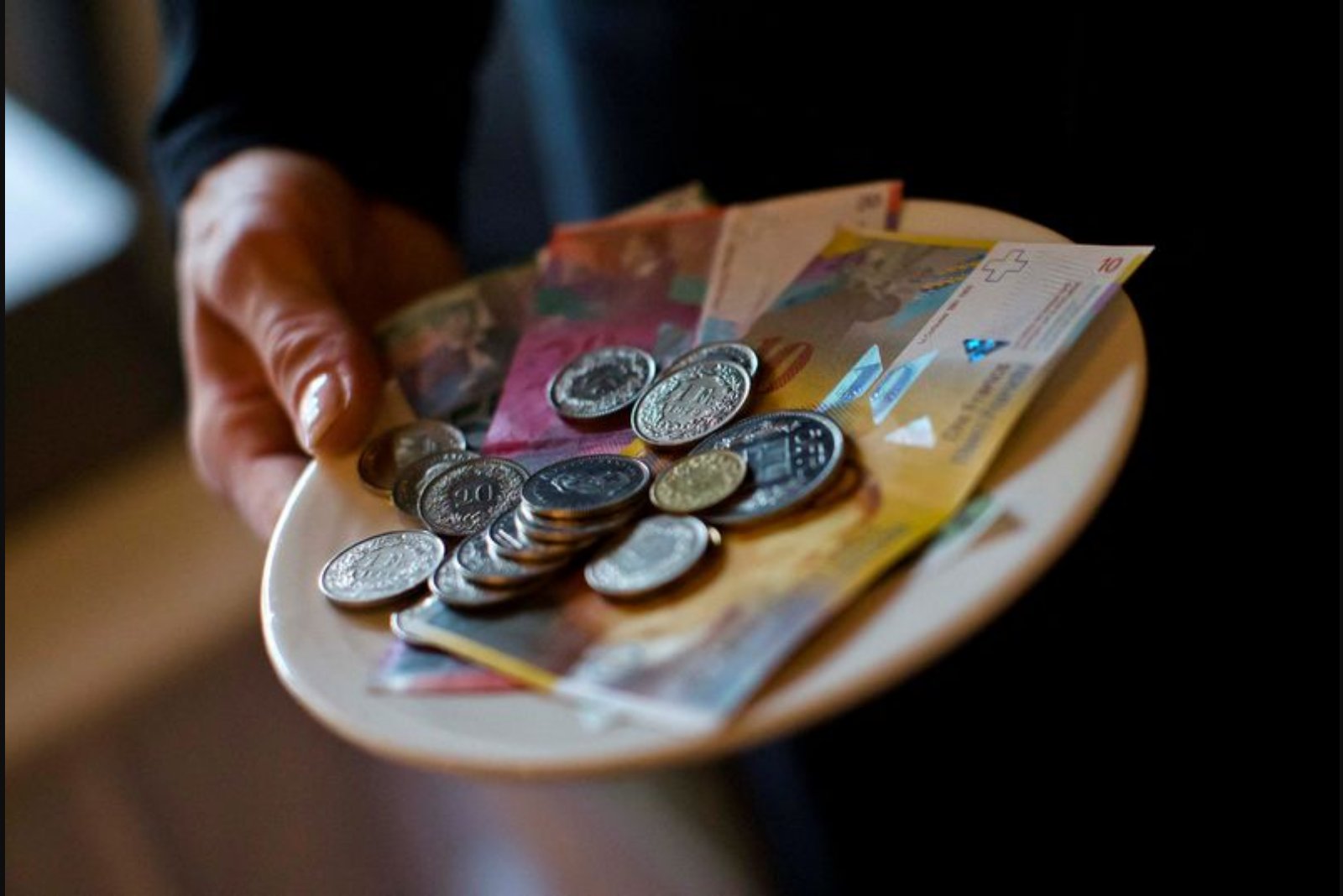
ZURICH, March 30 - Use of mobile payment applications in Switzerland stalled in the past year, according to a Swiss National Bank survey released on Monday, with physical cash retaining a prominent role in face-to-face transactions.
The SNB study found that mobile payment platforms such as Switzerland's Twint and Apple Pay accounted for 17% of transactions in 2025, down from 18% in 2024. Debit cards continued to be the most frequently used payment instrument, making up 37% of purchases, while cash was used in 30% of in-person transactions - unchanged from the previous year.
A clear majority of those who responded to the survey expressed support for the continued availability of cash. Only 2% of respondents indicated they wanted to abolish cash, citing reasons such as impracticality or its association with illicit activity.
"People like the anonymity of cash," said Marcel Stadelmann, a payments researcher at the Zurich University of Applied Sciences. "Some people do not like leaving a trace in the digital world when they pay with cards or mobile apps."
Stadelmann pointed to policy measures introduced during the COVID-19 period as having heightened public awareness of privacy matters. He said that the plateau in payment app growth reflects a market where most consumers already possess the apps but lack a compelling reason to prefer them over debit cards or cash.
Explaining what could prompt further adoption of instant or mobile payments, Stadelmann said: "With instant payments, it needs to be something that makes payments quicker, easier, more convenient, or gives people more control over their spending by giving immediate feedback if they’ve overspent."
The SNB this month also unveiled the designers selected for its next series of banknotes, which are planned to enter circulation in the 2030s.
On the behavioural side, Stadelmann noted that there is an emotional component to cash use. He said people appreciate the tangible act of handing over notes and coins and feel it gives them a greater sense of control over their finances. "Physical cash will remain important in Switzerland for some time," he added.
Separate to the survey findings, some market-focused commentary in the original reporting highlighted a tool used by investors to evaluate individual stocks. That commentary noted a service which assesses Apple Inc. alongside thousands of companies using over 100 financial metrics; it described the tool as algorithmic and impartial and referenced past winners such as Super Micro Computer (+185%) and AppLovin (+157%), and invited readers to check whether Apple is featured in any strategies or if alternate opportunities exist in the same sector.