
Swiss inflation accelerated to its highest annual rate in a year in March, as government statistics showed consumers absorbing higher fuel costs linked to conflict in the Middle East. The Federal Statistical Office reported that consumer prices were up 0.3% in March 2026 compared with March 2025 - the strongest year-on-year rise since March 2025.
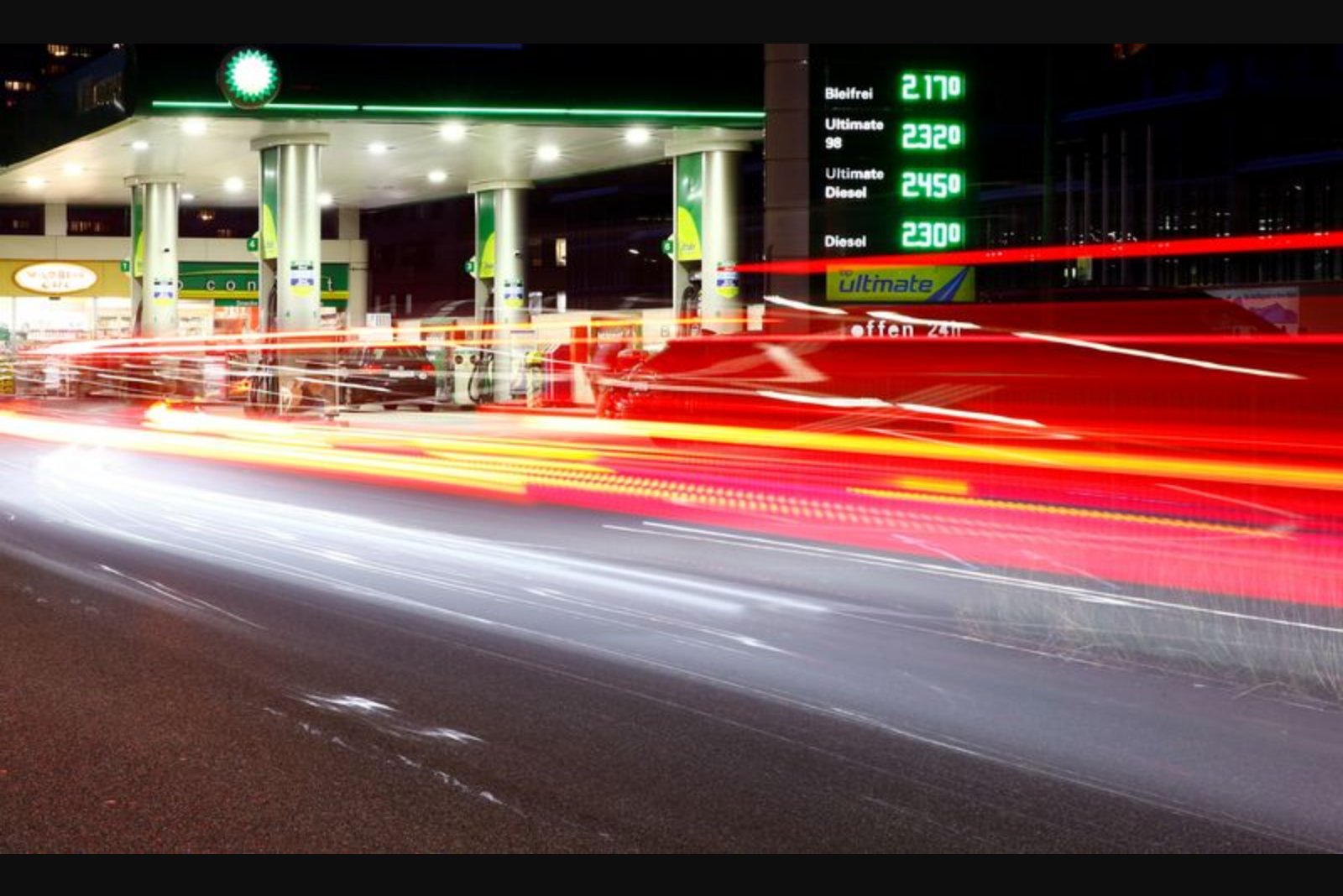
The March increase represented a pickup from February's 0.1% annual rise in Swiss consumer prices. The authorities attributed the March gain chiefly to more expensive petroleum products, which were 5.3% higher than a year earlier. The office also flagged increases in prices for air transport and package holidays as contributors to the monthly outcome.
The 0.3% reading in March came in below the 0.5% annual pace economists had expected in a Reuters poll. The Swiss National Bank declined to comment on the new data.
Despite the uptick, Swiss annual inflation remains well under the 2.5% rate expected in the euro area, a gap that underpins the prevailing view that the SNB is unlikely to move immediately to raise interest rates to counter price pressures. Market-implied odds at present assign about a 21% probability that the central bank will lift borrowing costs from the current 0% at its next policy meeting in June.
While the statistics point to a notable influence from energy markets and travel-related services, the broader inflation picture in Switzerland remains moderate relative to expected euro-area inflation. The limited market expectation of an imminent policy tightening reflects that relative position.
Detailed data points
- Overall consumer price change in March 2026 versus March 2025: +0.3%.
- February 2026 year-on-year change: +0.1%.
- Petroleum products year-on-year change in March: +5.3%.
- Economists' expected annual rate (Reuters poll): 0.5%.
- Current Swiss policy rate: 0%.
- Market-implied probability of an SNB rate increase at the June meeting: 21%.