
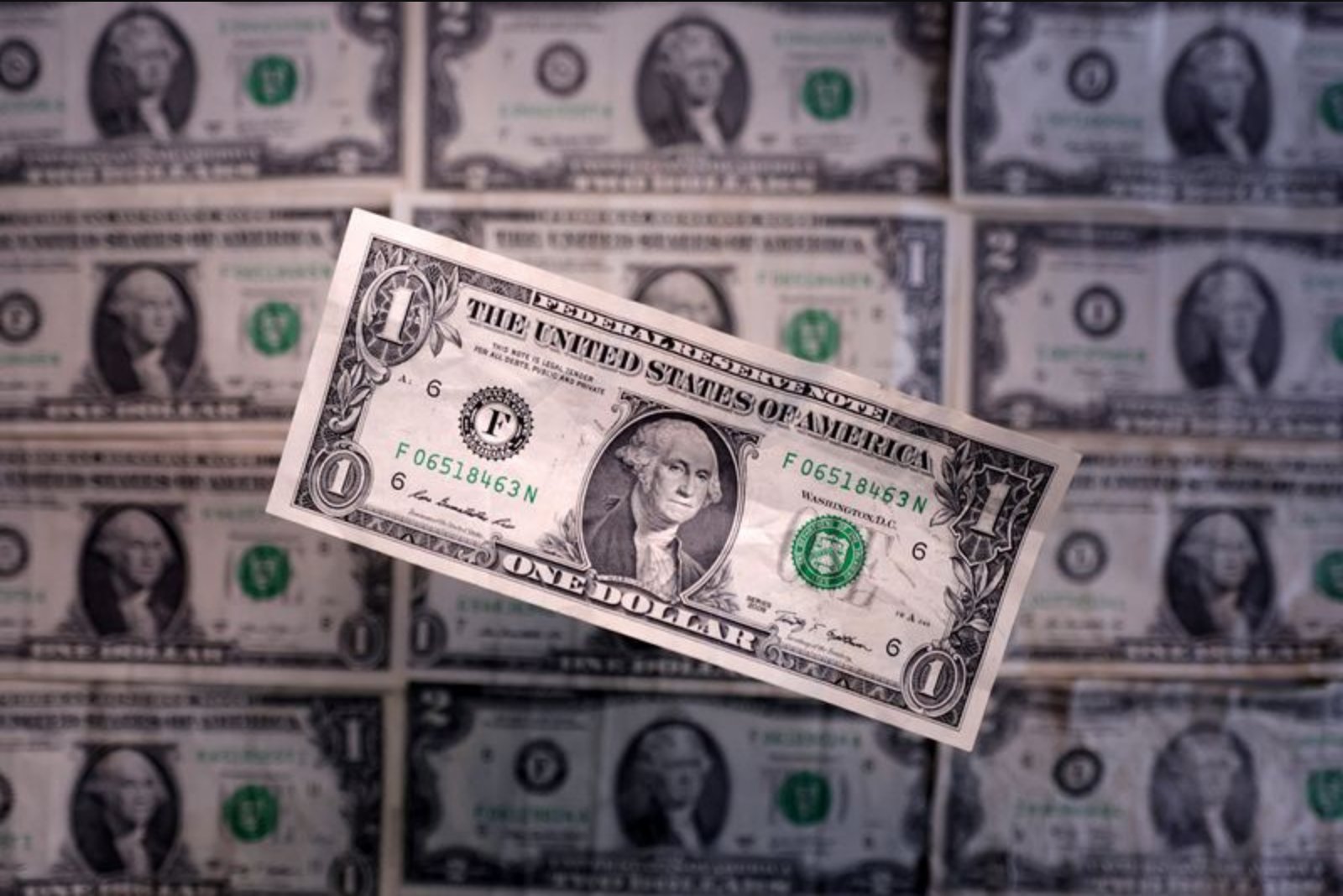
Investors increasingly seeking to shield their U.S. dollar holdings from further depreciation could push banks into rapid balance-sheet adjustments, a senior trader at UBS cautioned on Tuesday. The warning highlights potential strains on dealers if hedging flows spike materially.
The dollar fell nearly 10% against major currencies over the past year and has weakened an additional 2% so far this month, trends that, combined with U.S. policy uncertainty, appear to be prompting some foreign holders of U.S. assets to increase their use of hedges.
Ben Pearson, UBS' global head of G11 short-term interest rate trading, said the industry is discussing the prospect of higher hedging demand with clients, and that the core issue is one of structural capacity at banks. Pearson spoke to reporters about the potential operational and balance-sheet implications should hedge ratios rise substantially.
He noted that the global foreign exchange market remains extremely liquid, with daily trading volumes near $10 trillion. Nonetheless, estimates from Barclays cited by market participants suggest investors currently hedge approximately 48% of their U.S. dollar assets. Those estimates indicate hedge ratios moved from around 46% at the start of last year to about 50% after the market reaction to tariffs in April.
Pearson quantified the possible impact of a swift, broad-based increase in hedging: "A 5-percentage-point rise in hedge ratios for all foreign holders of U.S. assets would imply roughly $1.5 trillion of dollar selling," he said. He added that absorbing such selling would require sufficient bank balance-sheet capacity.
Providing hedging services often means banks must make room on their balance sheets. That can require exiting other trades quickly to free up funds to satisfy client requests for protection. According to Pearson, the industry is aware of these risks and is exploring alternative products and workarounds to manage capacity limits.
However, he flagged a narrower concern about allocation of scarce balance-sheet resources: "The question is whether there is a scenario where constraints in capacity lead dealers to make difficult choices around which clients get access to their balance sheet, and which potentially do not," Pearson said.
Summary
Rising hedging demand for U.S. dollar assets, driven by a weaker dollar and policy uncertainty, could force banks to free balance-sheet capacity rapidly, possibly prompting dealers to prioritize which clients receive hedging access.
Key points
- Dollar depreciation - down nearly 10% last year and about 2% this month - is encouraging some foreign holders of U.S. assets to seek more hedging.
- Barclays' estimates put current hedge ratios at roughly 48%, after ranging between about 46% and 50% over the past year.
- A 5-percentage-point rise in hedge ratios across foreign holders of U.S. assets would equate to roughly $1.5 trillion of dollar selling, which would require available bank balance-sheet capacity to absorb.
Risks and uncertainties
- Capacity constraints at banks could force dealers to exit other trades quickly, which may disrupt market liquidity - affecting the banking and foreign exchange sectors.
- Dealers may face decisions about which clients receive access to limited balance-sheet resources, creating potential access disparities for asset managers and corporate treasuries.
- The effectiveness of alternative products and workarounds being explored by the industry is uncertain, leaving potential gaps between client demand and dealer capacity.