
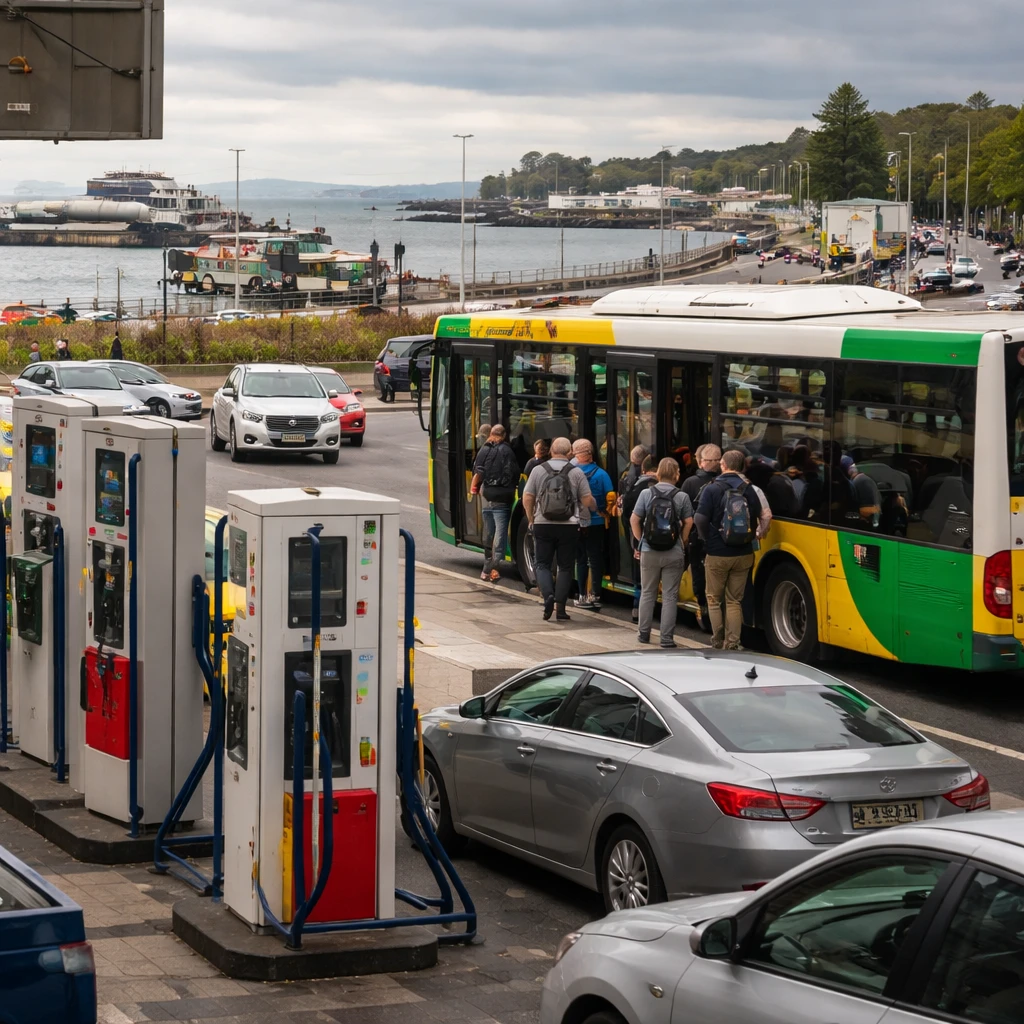
State governments in Victoria and Tasmania have put in place emergency public transport fare waivers in response to an emerging domestic fuel shortage that has begun to ripple through parts of the Australian economy.
Measures and timing
Victoria will provide one month of free public transport beginning March 31. Tasmania has enacted a longer suspension of fares for buses and ferries, effective from March 30 through July 1. Officials framed the relief as a direct step to help households confronted with surging fuel costs.
Scope of supply disruption
The fare waivers follow a period of elevated supply risk tied to recent tensions in the Middle East, which have started to be felt at home. Hundreds of service stations have reported shortages of petrol or diesel. The shortfalls are not limited to retail forecourts; they are beginning to affect the flow of goods and inputs into the economy. Agriculture and mining operators have flagged delivery delays, underlining the knock-on effects on sectors that depend on reliable fuel supplies.
Federal response and legislative action
At the federal level, Prime Minister Anthony Albanese has sought to reassure markets that near-term supplies remain secure. Nevertheless, Canberra is expected to push new legislation through Parliament on Monday that would grant the government powers to underwrite private sector purchases of fuel on international markets. The proposed underwriting arrangement is intended to shore up the supply chain for critical resource sectors by supporting private imports until underlying routes and markets stabilise.
Monetary policy implications
The Reserve Bank of Australia has flagged the energy-led price pressures as an added complication for monetary policy. The central bank recently raised the key cash rate to 4.1% in a split board decision. With transport costs rising on top of already persistent inflation, the RBA faces a synchronized shock that may make its hawkish path more difficult to navigate. Market participants have responded by fully pricing in two additional rate hikes before year-end, reflecting concerns that the fuel crunch could risk unanchoring inflation expectations across the broader economy.
Economic and investor considerations
Federal intervention to underwrite fuel imports represents a notable shift toward a more interventionist posture in energy security. Policymakers argue the measure will stabilise import flows for sectors that are particularly exposed to fuel availability. However, until the new authorities are formalised by Parliament and international maritime routes show signs of calm, elevated operational costs for mining and freight companies will remain a central worry for regional growth prospects. Investors and market participants are watching the upcoming parliamentary session closely for definitive details on the scope and mechanics of the government’s emergency energy mandates.
Summary
Victoria and Tasmania have temporarily waived public transport fares to provide immediate relief from rising fuel costs amid domestic shortages. The federal government plans to introduce powers to underwrite private fuel imports in Parliament on Monday, while the RBA confronts energy-driven inflation pressures after recently raising the cash rate to 4.1%.