
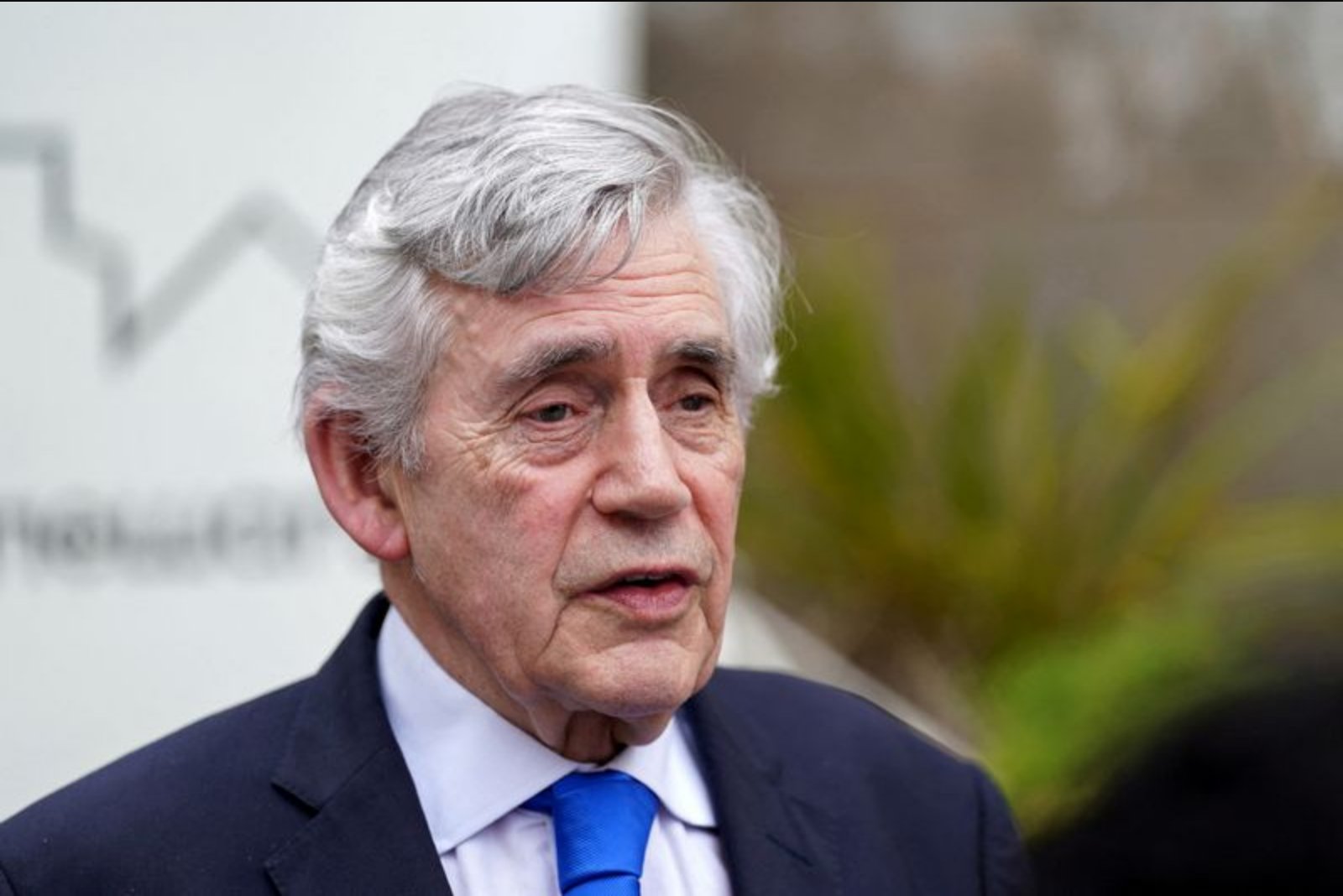
British Prime Minister Keir Starmer has brought former premier Gordon Brown into his circle as an adviser on global finance and cooperation, the government said on Saturday. The appointment, announced alongside that of veteran Labour politician Harriet Harman as adviser on women and girls, is aimed at shoring up support for Starmer following a damaging set of local election results.
Starmer moved to refresh his advisory team after Labour suffered what has been described as one of the worst municipal showings for a governing party since 1995. The party lost 1,417 council seats as the final tallies were completed on Saturday - a larger total than the 1,330 seats lost by the Conservative Party under then-prime minister Theresa May in 2019. May resigned three weeks after that electoral setback.
In announcing Brown's role on social media platform X, Starmer said: "As Britain’s longest-serving Chancellor, Gordon is well placed to work with our international allies to build a stronger Britain and boost our country’s security and resilience." Brown, 75, will take up the remit covering global finance and cooperation; Harman, also 75, was named the prime minister's adviser on women and girls.
Brown brings to the role the record noted by officials and widely cited by the government: as Tony Blair's chancellor he was a principal architect of the New Labour project that carried the party to three successive general election victories beginning in 1997. He served as prime minister from 2007 to 2010 and is credited with taking decisive action to nationalise major banks and stabilise the financial system during the global financial crisis.
The appointments arrive at a moment of heightened scrutiny for Starmer. Within days of the municipal results, a growing number of Labour MPs and former ministers have publicly and privately urged the prime minister to consider his position and to set out a timetable for departure. More than 20 lawmakers have voiced such concerns, according to reporting from the weekend.
Former minister Catherine West added her voice to that chorus on Saturday, writing on X: "His approach is not cutting through, and the results over the past 48 hours are nothing short of disastrous. I know I speak for more Labour people than just myself in wanting him to step aside as our Leader." Another Labour lawmaker, Clive Betts, told BBC Radio he wanted Starmer to step down "in the not too distant future." Despite those calls, ministerial allies have indicated support for Starmer, and an immediate leadership challenge does not appear imminent.
Starmer said on Friday he would remain as leader as the scale of the party's defeat became clear. In a separate piece published on Saturday, he acknowledged his administration had made "unnecessary mistakes" while reiterating his broader agenda. Writing in the Guardian, Starmer said he remained focused on "building a stronger and fairer country" and pledged to "respond to the message from voters."
The government’s difficulties have unfolded against a backdrop of economic pressure and international tension. The article cited ongoing strains from a cost-of-living crisis and conflicts in Ukraine and Iran as factors compounding the political headwinds. Starmer's administration has also been criticised for a series of policy reversals and a rotating set of advisers, and it has faced controversy over the appointment of another veteran from the Blair era, Peter Mandelson, as Britain's ambassador to the United States.
By naming Brown and Harman, Starmer has signalled an attempt to draw on established party figures with deep institutional experience. The prime minister's office framed Brown's role as one that will engage international partners to strengthen the nation's security and economic resilience. The long-term political effect of the appointments will depend on how they are received within the Labour parliamentary party and among the broader electorate as the government responds to the electoral rebuke it has just received.
Context and next steps
The appointments are immediate steps intended to reset the prime minister's advisory lineup and to demonstrate responsiveness after the municipal defeats. How these changes translate into restored party confidence or altered policy direction remains an open question, and will unfold as Brown and Harman begin their advisory roles.
What remains clear
- Labour's municipal losses were sizeable, leaving the party with a tough political landscape and internal pressure on its leader.
- Gordon Brown's record on stabilising the banking system during the global financial crisis is central to the rationale for his appointment.
- Starmer has publicly acknowledged mistakes and pledged to address voter concerns while resisting immediate calls to step down.